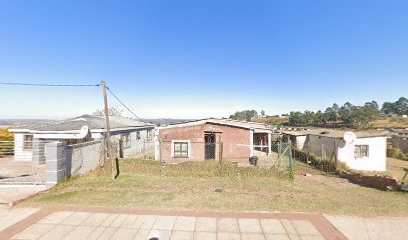
Mpumalanga Library is a Public library establishment in Mpumalanga, KwaZulu-Natal, South Africa
Mpumalanga
KwaZulu-Natal
3699
South Africa


Sorry, no records were found. Please adjust your search criteria and try again.
Sorry, unable to load the Maps API.
Public library services in Mpumalanga and KwaZulu-Natal, South Africa
Public libraries across Mpumalanga and KwaZulu-Natal function as essential community hubs that support learning, literacy and information access. They are typically run by provincial or municipal authorities and are designed to serve a broad spectrum of residents, from schoolchildren and students to jobseekers and senior citizens. The aim is to provide equitable access to resources, learning spaces and culturally relevant programming within convenient community locations.
Visitors can expect a range of core services. Lending libraries usually offer an extensive collection of books, periodicals and reference materials across multiple languages, with a focus on local authors and regional topics alongside popular titles. In addition to physical books, many libraries provide access to digital resources such as e‑books, audiobooks and online databases, enabling users to extend their research and reading beyond the shelf. Public computers and free Wi‑Fi connections are commonly available for use by patrons who do not have ready access to technology at home. Quiet study areas, meeting rooms and family-friendly spaces are typical features that support study, work and community events.
Public library services in these provinces also prioritise lifelong learning. Regular programmes may include reading clubs, school holiday activities, literacy initiatives and workshops aimed at improving numeracy and language skills. Outreach services extend to schools, community centres and informal settlements, helping to reach individuals who might not otherwise visit a library branch. Adult education and information services, such as guidance on job hunting, resume writing and access to government information, are often available through counters or library staff.
Residents can expect practical considerations that shape the library experience. A membership or library card is usually required to borrow materials, with borrowing limits and loan periods varying by branch and category of material. Returning borrowed items on time is encouraged to avoid fines, though many libraries have adopted more flexible or educational approaches to late returns. Branches generally operate with opening hours that align with local schedules, including weekday, weekend and occasional after-hours services for specific programmes. Accessibility is an important priority, with facilities designed to accommodate wheelchair users, parents with prams and others who require additional support. Some branches may offer services in multiple languages, reflecting the linguistic diversity of South Africa, and staff training supports responsive customer service for all patrons.
When planning a visit, consider practical details such as location, parking availability and proximity to other community services. Libraries in Mpumalanga and KwaZulu-Natal often collaborate with schools, libraries in neighbouring towns and regional libraries to share resources and extend access through interlibrary loan arrangements or resource pooling. This cooperative approach helps maximise the reach of collections and supports research and learning beyond a single branch.
For individuals seeking to make the most of public library services, it is helpful to arrive with a clear objective—whether selecting a novel, researching a topic, using a computer for a job application, or participating in a workshop. Staff are typically equipped to guide readers to appropriate sections, recommend titles for different ages and interests, and provide basic assistance with online catalogues or databases. While facilities and programmes may differ between Mpumalanga and KwaZulu-Natal, the overarching model remains a collective investment in literacy, information access and community well‑being.
- Core lending collections and access to digital resources
- Public computer terminals and free internet access
- Quiet study spaces, meeting rooms and family corners
- Children’s programmes, reading clubs and school holiday activities
- Community information services and guidance on government services