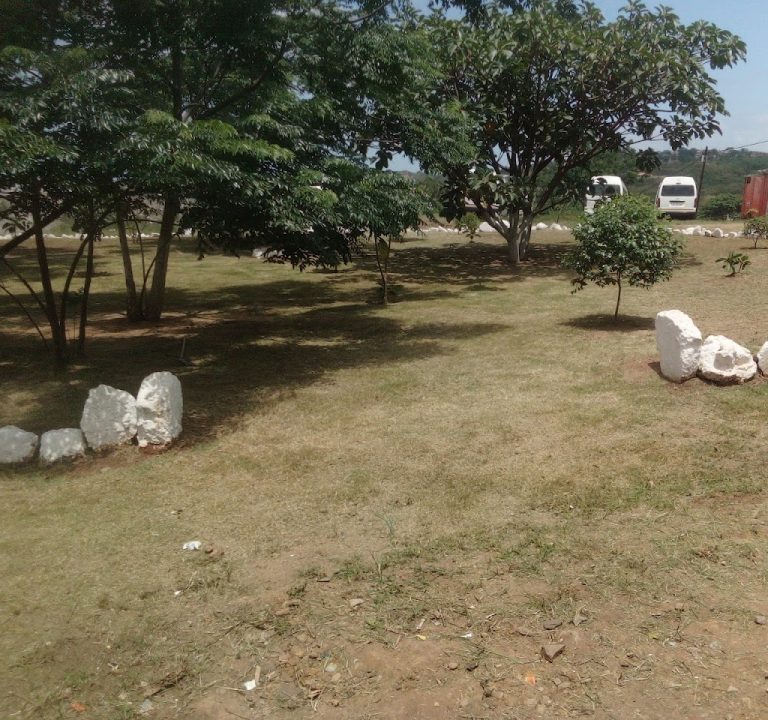
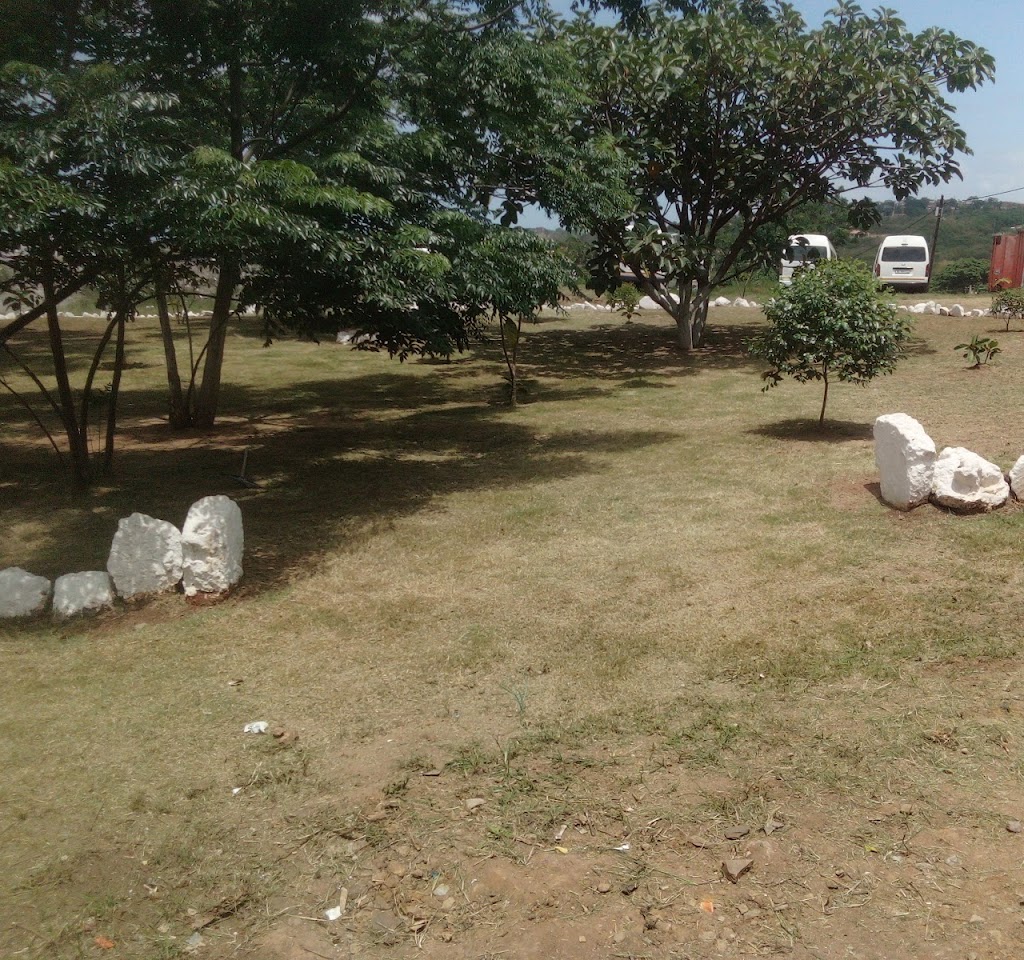
Mseni Temple (100% uNyazilwezulu) is a Church establishment in Durban, KwaZulu-Natal, South Africa
Durban
KwaZulu-Natal
4091
South Africa

Sorry, no records were found. Please adjust your search criteria and try again.
Sorry, unable to load the Maps API.
Church Services in Durban, KwaZulu-Natal: What to Expect
Durban, as a coastal city in KwaZulu-Natal, presents a diverse tapestry of church life that reflects the region’s cultural mix and linguistic variety. The city hosts a wide range of congregations, from traditional Anglican and Catholic parishes to contemporary evangelical assemblies and independent church groups. In general, church services in Durban follow familiar patterns found across much of South Africa, with regional nuances shaped by language, music, and community programmes.
Most Sunday gatherings begin with a welcome and period of worship, often featuring a blend of hymn singing, contemporary worship songs, and instrumental music. Congregants may join in with traditional hymns in English, Zulu, or a mixture of languages depending on the church’s heritage and membership. Music is commonly led by a choir, a worship band, or a combination of both, and musical ensembles frequently reflect Durban’s vibrant cultural scene. Sermons tend to be central to the service, delivered by a pastor or guest speaker, and may address themes such as faith, personal conduct, social responsibility, and community healing.
A typical service usually includes a communal prayer segment, readings from the Bible, and a time for reflection or personal response. Many churches also provide opportunities for confession, blessing, or laying on of hands, depending on doctrinal traditions. Observance of sacraments such as baptism and communion varies by denomination and church governance. Baptism may be undertaken for infants or adults, while communion practices differ in terms of frequency and method, ranging from a shared cup and wafer to individual elements.
Religious life in Durban often extends beyond the Sunday service. Churches frequently run midweek programmes to support families and individuals, including youth groups, marriage and parenting seminars, discipleship classes, and community outreach initiatives. In addition, many congregations engage in charitable activities such as food drives, school sponsorships, and aid distribution to marginalised residents. These community programmes are a common feature and can provide opportunities for visitors to observe how faith and service are integrated in daily life.
For visitors, practical considerations help frame a respectful experience. Churches in Durban may be located in historic buildings, modern complexes, or community centres, and access can vary from straightforward street entrances to more inclusive facilities with ramps. It is prudent to arrive a little early to locate parking or seating, particularly in larger venues. Dress codes are typically modest, though many churches welcome a range of attire from smart casual to traditional dress, depending on the community and the occasion. Sermon language may be predominantly English, but several congregations offer services in Zulu or mixed-language formats, so language preferences should be considered.
Offering bags or plates are a common feature in many services, reflecting private giving to support church activities and charitable work. Visitors are not obliged to contribute, and many churches provide information about their outreach and how donations are used. For families, children’s programmes are frequently available during the service or in parallel sessions, with age-appropriate activities designed to foster learning and safe engagement.
A list of typical service elements:
- Welcome and praise songs
- Reading of scripture and sermon
- Prayer and layperson participation
- Sacraments or observances where applicable
- Community announcements and notices
- Youth and children’s activities or classes
- Outreach information and voluntary donations
In summary, Durban’s church scene offers a broad spectrum of worship experiences, emphasising communal warmth, spiritual reflection, and active engagement in social support. Visitors can expect clear hospitality, carefully planned services, and opportunities to learn about local faith communities while observing the city’s distinctive blend of cultures and languages.