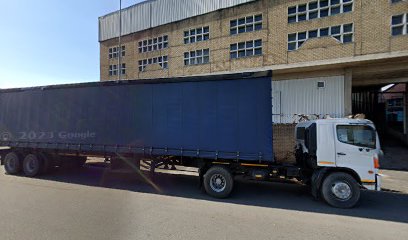
Multi Skill Training Centre is a Training centre establishment in Durban, KwaZulu-Natal, South Africa
Multi Skill Training Centre (MSTC) — Training Centre, Durban, KwaZulu-Natal
Multi Skill Training Centre (MSTC), trading as Mthetana Trading and Construction, was established in 2008 with a mission to empower South Africans through practical skills development. Located in Durban, KwaZulu-Natal, MSTC emphasises closing the national skills gap, particularly in engineering and construction trades, and prioritises training programmes that benefit unemployed and unskilled youth by creating employment opportunities. The organisation operates as a Skills Development Provider and Trade Test Centre with accreditation from QCTO and endorsement from Merseta, CHIETA, and Services Seta. It holds a Level 1 BBBEE status, reflecting its position in promoting inclusive economic participation.
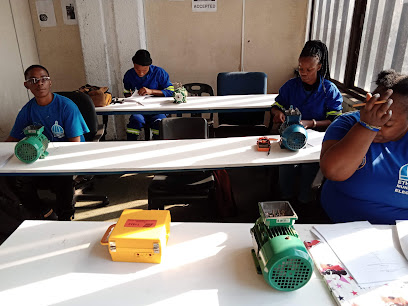
The centre is recognised for its focus on technical trades and offers a blend of in-depth trades training and shorter, targeted courses designed to prepare learners for the workplace. The emphasis on practical, hands-on learning is complemented by access to workshop tools, materials, drawings and sketches that support the development of core technical competencies. The programme mix positions MSTC as a practical route for those seeking to enter or upskill within the engineering, electrical and mechanical sectors.
Main services offered include structured trade training and short courses. The core trades and programmes highlighted by MSTC include:
- Millwright training, covering workshop tools, materials, drawing and sketches, with components in electrical and fitting disciplines.
- Mechanical Fitting courses ranging from level one to level three, designed to build progressive competencies in fitting trades.
- Electrical training across multiple levels, including level 2 and level 3 electrical courses, focusing on electrical theory and practical application.
- Short courses in electrical and control systems topics, such as AC driver courses, fault-finding, panel wiring, and pneumatics.
Typical job types and industries associated with MSTC’s offerings fall within traditional engineering and construction sectors. Graduates commonly pursue roles linked to mechanical fitting, electrical installation and maintenance, panel wiring, troubleshooting electrical faults, and hydraulic and pneumatic system work. The centre’s programmes align with the needs of industries that rely on skilled trades personnel, such as manufacturing, construction, and energy-related sectors.
In terms of how requests and enrolments usually work, MSTC presents a programme portfolio with clear scheduling for full-time and part-time study. Specific examples include the Electrical Fitting Course, which is offered on a full-time pattern (Monday to Thursday, 8am–4pm, with Friday 8am–2pm) and a part-time pattern (evenings and weekend sessions). Similar scheduling is indicated for the Mechanical Fitting Course, which follows a comparable full-time timetable and a separate part-time option. This scheduling approach suggests a structured intake process with defined cohort start dates and consistent weekly hours, designed to accommodate both full-time students and working individuals seeking to upgrade their skills.
Visitors may encounter client endorsements that bolster MSTC’s credibility. Notable quotes from organisations such as Neopak, Unilever, Transnet, Kalmar, and EThekwini Municipality appear on the site, emphasising trust, empowerment, the production of highly qualified trainees, dedication, and care for learners. These endorsements contribute to an impression of MSTC as a respected partner in industry training and skills development.
Practical tips for prospective students or employers considering MSTC include:
- Check the programme of interest for the latest full-time and part-time scheduling to plan attendance around work commitments.
- Review the specific course content (electrical, mechanical fitting, millwright, pneumatics, etc.) to align with target job roles and industry requirements.
- Consider the benefits of MSTC’s accreditation and endorsements when evaluating potential providers for skills development and trade testing.
- Look for opportunities to connect with alumni or former trainees who can share practical insights about course delivery and job placement outcomes.
- Plan for practical, hands-on learning outcomes by allowing time for workshop-based exercises and access to appropriate tools and materials.
Geographically, MSTC serves learners in Durban and surrounding KwaZulu-Natal areas, with a clear emphasis on rural skills development as part of its broader mission to widen access to technical education. The centre’s governance and endorsements suggest a trajectory focused on quality training, industry relevance, and meaningful employability outcomes for graduates seeking to enter or advance within engineering and construction trades.
Durban
KwaZulu-Natal
4052
South Africa

Sorry, no records were found. Please adjust your search criteria and try again.
Sorry, unable to load the Maps API.
Training centre services in Durban, KwaZulu-Natal
Durban, located on the eastern coast of South Africa, hosts a diverse range of training centres that serve individuals and businesses across KwaZulu-Natal. These facilities typically provide structured programmes designed to build practical skills, improve employment prospects, and support organisational development. From vocational courses to professional development workshops, the emphasis is on translating theory into real-world capability within a friendly, learning-focused environment.
Most training centres in Durban offer a mix of public and private programmes, with options that can be attended full-time, part-time, or during weekend and evening sessions. This flexibility is particularly important in a region characterised by dynamic labour markets and varying transport arrangements. Facilities often prioritise comfortable teaching spaces, hands-on labs, and breakout rooms to accommodate both collaborative work and individual study. Where applicable, centres may also provide access to online resources or blended learning approaches to complement in-person sessions.
Typical services include core skills development, vocational and technical training, and professional development for employees. Courses commonly cover areas such as information technology, business administration, hospitality and catering, finance and bookkeeping, marketing, and customer service. Practical components are emphasised, with supervised labs, simulations, workshops, and workplace-ready projects designed to mirror real industry needs. For those seeking language support, some centres offer English and other local language modules to enhance communication in professional settings.
Durban-based training facilities frequently collaborate with local industries to ensure curricula remain relevant to current job requirements. This often involves industry experts delivering sessions, mentoring, and internship or placement recommendations where feasible. Certification upon completion is typically provided, subject to meeting attendance and assessment criteria. While specific accreditation and recognised qualifications may vary by programme, many centres align with national standards and sector guidelines to aid learners’ progression into employment or further study.
Practical considerations form a key part of the training experience. Prospective attendees should consider factors such as programme duration, start dates, assessment methods, and entry requirements. Accessibility is an important consideration in Durban, with some centres situated near public transport routes or major business hubs. Facilities may include amply lit classrooms, reliable Wi-Fi, student lounges, and secure study areas. Health and safety protocols are usually observed, with appropriate equipment handling procedures for technical or laboratory-based courses.
From an organisational viewpoint, Durban training centres typically offer guidance on funding options, bursaries, or government-subsidised placements where available. Learners are encouraged to verify whether programmes accept credit for prior learning or recognise prior experience, which can streamline progression. Networking opportunities, career guidance, and alumni support are sometimes provided to maximise the practical value of participation and to help translate newly acquired skills into tangible employment outcomes.
For individuals considering engagement with a Durban training centre, practical steps include reviewing course outlines, understanding the assessment framework, and clarifying any customised or in-house training possibilities for businesses. Potential attendees should also consider the long-term value of the qualification for local industries, opportunities for further study, and the centre’s connections to regional employers. While the specifics of delivery may vary between providers, the overarching aim remains to equip learners with applicable competencies and confidence to perform effectively in the KwaZulu-Natal workplace.
- Core skills development and vocational training
- Professional and workplace programmes
- Industry-aligned projects and practical assessments
- Lab facilities, simulations, and hands-on sessions
- Flexible scheduling and support services