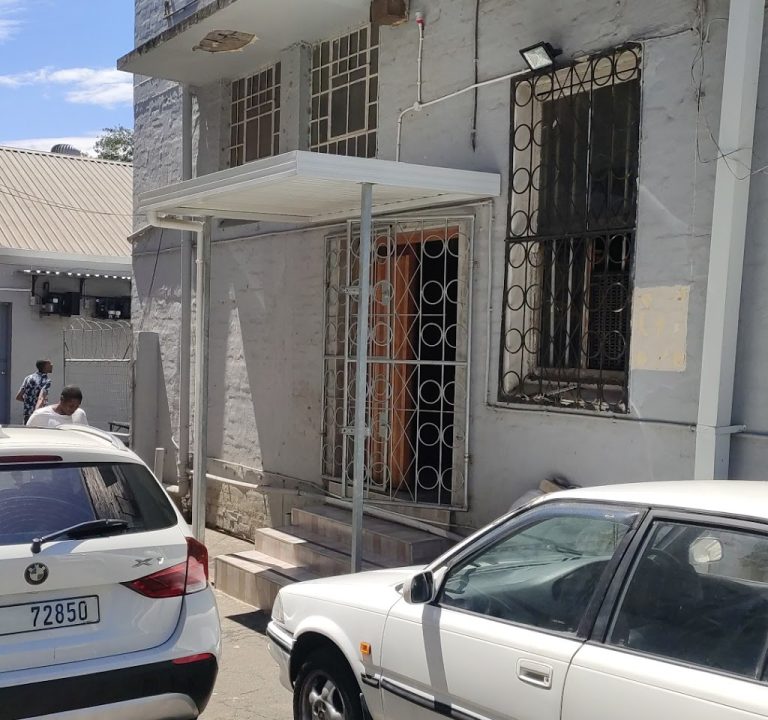
Mussalah Waliyyullah is a Place of worship establishment in Queensburgh, KwaZulu-Natal, South Africa
Queensburgh
KwaZulu-Natal
4093
South Africa
Sorry, no records were found. Please adjust your search criteria and try again.
Sorry, unable to load the Maps API.
Place of Worship Services in Queensburgh, KwaZulu-Natal
Places of worship in Queensburgh offer a variety of spiritual gatherings that reflect the diverse religious landscape of KwaZulu-Natal. The neighbourhood is home to a range of Christian denominations, Hindu temples, mosques, and other faith communities, each providing spaces for reflection, communal worship and personal quietude. Visitors can expect a respectful atmosphere designed to accommodate both regular attendees and newcomers seeking guidance or quiet contemplation.
Across the area, Sunday services are commonly the central weekly focus for many congregations, though weekday meetings, prayer groups, and study circles are frequently available. Christian congregations may hold liturgical services, traditional hymn singing, sermons anchored in scripture, and sacramental rites such as baptisms, confirmations, weddings, and funerals. Catholic parishes, for instance, often celebrate Mass with opportunities for confession and parish sacraments, while Anglican, Methodist, Pentecostal and independent churches may emphasise Bible readings, sermons, and communal prayer in different liturgical styles. Hindu temples typically feature temple rituals, devotional singing (bhajans), priestly blessings, and festive gatherings aligned with Hindu calendars, while mosques offer daily and weekly prayers and sermons focused on community well-being and spiritual guidance.
What customers can expect upon arriving at a place of worship in Queensburgh varies with tradition but generally includes clear signage, welcoming stewards, and facilities such as prayer halls or sanctuaries, meeting rooms, and infant or children’s spaces. Worship often begins with a period of quiet contemplation or communal singing, followed by readings from sacred texts or prayers led by clergy or lay readers. In many communities, an offering or collection is taken at some point during the service to support the congregation’s work, charitable projects, and upkeep of the premises. English is commonly used in instruction and sermons, while regional languages may be present in multilingual services to accommodate diverse congregations.
For newcomers, a brief orientation beforehand can be helpful. Dress codes tend to be modest and respectful, with some places requesting coverings for heads or shoes in sacred spaces, particularly in traditional temples or mosques. Attendees should plan for parking logistics, as some venues operate in residential streets with limited on-site spaces. Arrangements for accessibility, seating for elders, and child care or Sunday school facilities are often provided to ensure families can participate comfortably.
Practical considerations extend to accessibility and timing. Community calendars or notice boards usually list service times, special services during religious festivals, and dates for rites of passage such as baptisms or weddings. Some congregations collaborate with local charities, offering outreach programmes, food banks, or support groups that reflect the social responsibility ethos common in many Queensburgh faith communities. Visitors are encouraged to approach staff or stewards if guidance or assistance is needed, whether seeking a quiet moment of prayer, information about sacramental preparation, or details about forthcoming events.
Overall, Place of worship in Queensburgh presents a spectrum of spiritual practices aimed at fostering personal faith, community solidarity, and mutual respect among residents. The experience is shaped by tradition, locality, and the inclusive nature of cultural exchange that characterises KwaZulu-Natal’s faith landscape.