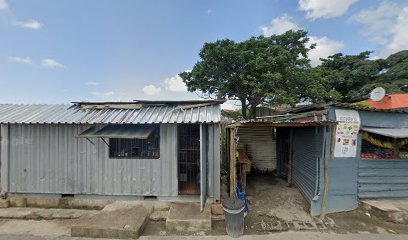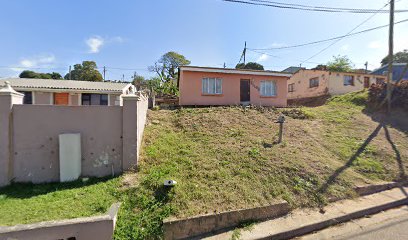
Muzomuhle Primary School is a Primary school establishment in Umlazi, KwaZulu-Natal, South Africa
Umlazi
KwaZulu-Natal
4066
South Africa
Sorry, no records were found. Please adjust your search criteria and try again.
Sorry, unable to load the Maps API.
Primary school services in Umlazi, KwaZulu-Natal
In Umlazi, KwaZulu-Natal, primary schools provide foundational education within the South African public system as well as in independent settings. The landscape typically centres on delivering a broad curriculum aligned to provincial guidelines, with an emphasis on literacy, numeracy, and basic science, alongside social studies, arts, and physical education. Schools in Umlazi often operate under the oversight of the KwaZulu-Natal Department of Education, ensuring that core subjects are offered across the compulsory grade range from Grade R to Grade 7.
enrolment processes generally begin with registration at the school of choice or at the local district office, followed by proof of residence and relevant academic records where applicable. In public schools, admission decisions are usually guided by district policies and space availability rather than commercial criteria. Independent or community-run schools may have their own intake requirements, including interviews or assessments, but still adhere to national education standards. Parents should anticipate timelines for intake, documentation needs, and potential waiting lists, especially in densely populated areas such as Umlazi.
Daily life in Umlazi primary schools is structured around a timetable that typically includes morning assembly, core instructional blocks, language lessons (often isiZulu and English), and specialist subjects such as mathematics, science, arts and culture, and physical education. Extracurricular opportunities, including sport, music, and drama, commonly complement the formal curriculum. Many schools run aftercare programmes or provide access to breakfast or school meals for eligible learners, helping to support pupils who rely on school meals.
Language instruction reflects the bilingual context of KwaZulu-Natal, with English and isiZulu frequently used as languages of instruction or support. Schools strive to foster inclusive classrooms by implementing strategies to assist learners with varying levels of English proficiency or numeracy skills. In Umlazi, as in other parts of the country, learners may have access to additional learning support or remedial programmes aimed at strengthening foundational competencies, while teachers employ formative assessment to monitor progress and adapt teaching approaches as needed.
Practical considerations for families include the suitability of school infrastructure, transport arrangements, and safety practices. Infrastructure may range from well-equipped classrooms and libraries to areas in need of maintenance, reflecting disparities commonly observed in township contexts. School transport arrangements, traffic safety, and secure drop-off/pick-up routines are important considerations for parents and guardians. Communication with schools—via newsletters, notice boards, or parent-teacher meetings—helps keep families informed about attendance, assessments, and upcoming events.
While the precise offerings vary between institutions in Umlazi, several common services characterise the sector:
- Structured curriculum delivery across core subject areas with emphasis on literacy and numeracy foundations.
- Language support programmes, often incorporating isiZulu and English instruction to reflect the local linguistic landscape.
- Art, music, drama, and physical education as standard components of the weekly timetable.
- Access to school meals and aftercare facilities where available, supporting learners beyond the formal school day.
- Safety and welfare measures, including supervision policies, playground management, and school governance structures involving parents and community members.
Overall, primary school services in Umlazi aim to provide a stable, supportive environment where children can develop essential academic skills, social competencies, and personal growth. While the exact features of each school may differ, the focus remains on delivering an accessible, learner-centred education that aligns with provincial standards and responds to the local community’s needs. Prospective families are encouraged to visit schools, review prospectuses, and speak with staff to understand specific programmes, facilities, and admissions requirements relevant to their circumstances.