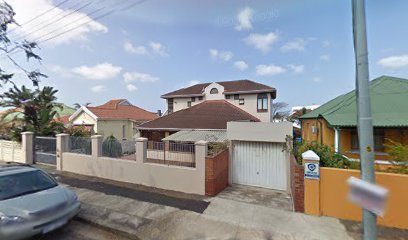
MZANSI SECURIFIRE is a Security service establishment in Durban, KwaZulu-Natal, South Africa
Overview of MZANSI SECURIFIRE: Security and Fire Solutions in Durban, KwaZulu-Natal
Mzansi SecuriFire presents itself as an integrated security and fire solutions provider with a claim to industry leadership in the security and fire protection sector. Described as combining service excellence with integrated system design, the organisation highlights constant technological development as a means to deliver customised solutions tailored to a range of client requirements. With a stated combined experience of over 40 years in the team, the company relies on leadership and long-standing expertise in the industry to support its service delivery approach.
In terms of geographical reach, the provider promotes strong coverage and fast response times in its stated operational areas, positioning itself as a local partner for homes and businesses seeking rapid security and fire protection support within its region. The business emphasises a commitment to keeping communities and neighbourhoods safe, which informs its service organisation and customer experience strategy. While the precise service areas are not itemised, the emphasis remains on a robust local presence in KwaZulu-Natal, including Durban and surrounding areas.
Mzansi SecuriFire offers a suite of core services under three broad headings: Home Security, Monitoring & Armed Response, and Fire Protection. These categories reflect a dual focus on safeguarding properties and protecting occupants, with an emphasis on rapid response and proactive system features. The home security offerings include several integrated capabilities designed to deter intrusion, provide visibility, and automate safety-related actions within a dwelling or small business environment.
The main home security components listed are:
- Alarm System
- Electric Fencing
- CCTV (Closed-Circuit Television)
- Outdoor Detection
In addition to installation and integration, the provider features enhancements that can be extended across systems to improve overall safety and convenience. These include temperature sensors to optimise climate management, window sensors to alert when a window is left open, and lighting control to automate illumination during alarm events or according to schedules. There is also a focus on practical, real‑world needs such as garage monitoring—giving alerts if the garage is left open and enabling remote closure from a connected app. These options collectively contribute to a sense of informed protection for homeowners and business proprietors alike.
The monitoring and armed response facet implies a service layer that supports continuous surveillance and a rapid, trained security presence when required. Although specific response times or dispatch details are not disclosed in the available materials, the branding phrase “CLOSER, FASTER, STRONGER” suggests emphasised reliability and a ready team for on‑site engagement if alerts are triggered.
Fire protection is presented as a complement to the security offering, reinforcing a holistic approach to safety. While the content does not enumerate every fire‑related device, the material hints at compliance and protection strategies designed to mitigate fire risk and support safe evacuation and emergency response. Smoke detection is specifically highlighted as part of the integrated security environment, with an emphasis on safeguarding occupants should a fire occur. The overall approach seeks to balance proactive prevention with rapid intervention.
The user experience appears to be built around clear, practical solutions paired with modern technology. The website emphasises a customer‑centred proposition, promising better visibility into home environments and quick, informed action when security events occur. A visitor can expect an emphasis on integrated systems that combine detection, monitoring, automation, and accessible control through connected devices, such as mobile apps and in‑home interfaces.
Practical tips for customers considering Mzansi SecuriFire include assessing current premises for areas to improve security complements (such as CCTV coverage, proper placement of sensors, and adequate lighting), and identifying which automation features would be most beneficial—e.g., lighting schedules, garage alerts, and doorbell video with two‑way audio. For those looking at fire protection, asking about smoke detection capabilities and how the system integrates with emergency response procedures is advisable. It is also prudent to discuss service levels, maintenance schedules, and how the monitoring centre communicates during alarms to establish realistic expectations for support and response times.
In terms of local context, while specific business hours are not stated on the available information, the emphasis remains on rapid response and strong coverage within the Durban area and KwaZulu‑Natal more broadly. Prospective customers seeking a holistic security and fire solution in this region may find value in an integrated approach that combines home security, environmental monitoring, and responsive protection services under one provider.
Durban
KwaZulu-Natal
Glenwood, Durban
South Africa


Sorry, no records were found. Please adjust your search criteria and try again.
Sorry, unable to load the Maps API.
Security services in Durban, KwaZulu-Natal: a practical overview
Durban, a coastal city in KwaZulu-Natal, relies on a diverse range of security service providers to protect commercial premises, residential estates, and industrial operations. In this setting, security arrangements typically blend human vigilance with technology to deter crime, respond to incidents, and enhance situational awareness for property and people. The landscape often includes a combination of manned guarding, electronic monitoring, and incident response, tailored to the risks faced in urban, suburban, and peri-urban environments.
Clients commonly access manned guarding for on-site presence and routine patrols. This may involve security officers stationed at entry points, guarding perimeters, and conducting access control checks. Officers are generally trained to observe, report, and, when authorised, intervene in accordance with standard operating procedures. Deployment decisions factor in factors such as business hours, property layout, vehicle traffic, and the local crime profile. Regular patrols—both foot and vehicle—support the maintenance of a visible security presence designed to deter opportunistic crime and provide rapid notification of any irregular activity.
Electronic security forms a complementary layer, with solutions that often include intruder alarms, remote monitoring, CCTV systems, and access control technologies. Alarm systems are typically designed to alert both the property owner and a monitoring centre in the event of a breach, while CCTV installations provide continuous video coverage of critical zones. Remote monitoring services enable rapid assessment of incidents by monitoring operators who can request attendance from guarding teams or coordinate with emergency services. Access control measures regulate entry to premises, helping to distinguish authorised individuals from intruders and supporting orderly workflows within buildings.
In Durban’s varied environments, security providers commonly offer specialised services for commercial properties, retailers, warehouses, and residential estates. Retail security focuses on preventing shoplifting, managing crowds during peak periods, and safeguarding point-of-sale areas. Industrial premises may require stricter perimeter protection, cargo security, and incident response planning to safeguard logistics and inventories. Residential estates often prioritise gated access, neighbourhood watch coordination, and swift response to alarms or calls for assistance. For high-value assets, some clients may pursue additional measures such as security audits, risk assessments, and customised surveillance integration.
Response services are a core component of the offering. When alarms or suspicious activity are detected, security teams typically initiate a structured escalation process. Officers may discreetly investigate, engage with on-site personnel, or alert supervisory control rooms. In cases of immediate danger or criminal activity, collaboration with local law enforcement and emergency services is standard practice. The emphasis is on rapid, controlled response that minimises disruption while preserving safety and property.
Practical considerations for engaging security services in Durban include ensuring compliance with local licensing requirements and industry standards. It is prudent to assess a provider’s coverage areas, response times, and operational hours, particularly for businesses with after-hours needs. Clear service level agreements, regular reporting, and transparent billing help cultivate confidence in the partnership. Training and supervision structures, as well as a clear chain of command for incidents, contribute to consistent performance across shifts and events.
While the exact mix of services varies by site and risk profile, Durban-based security service providers generally aim to deliver a practical, cohesive approach. The model combines visible deterrence with proactive monitoring, rapid incident response, and tailored security plans that reflect the city’s unique urban rhythm and the diverse needs of commercial, industrial, and residential clients.