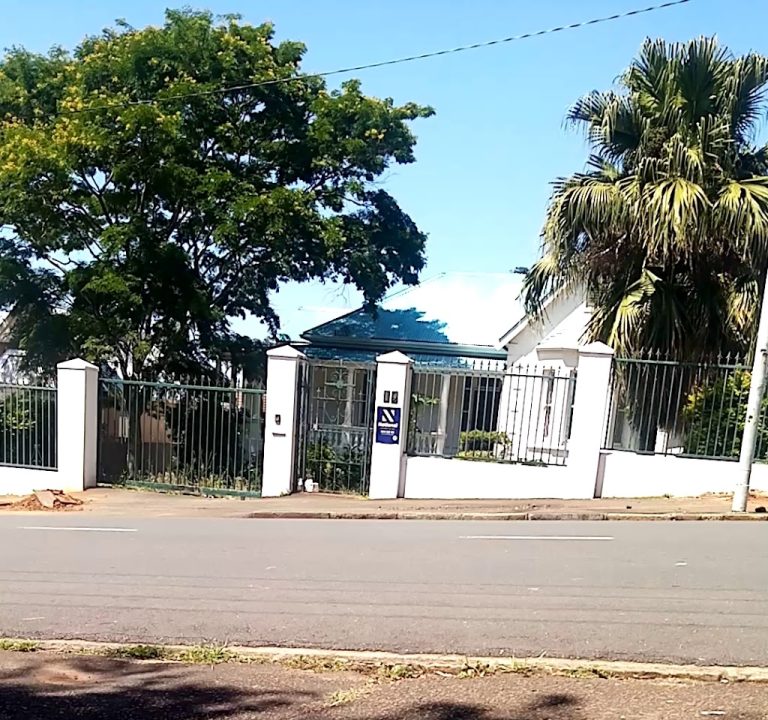
Natal Blind and Deaf Society is a Hospital establishment in Durban, KwaZulu-Natal, South Africa
KZN Blind and Deaf Society (KwaZulu-Natal Blind and Deaf Society) – Services and Customer Experience Summary
The KwaZulu-Natal Blind and Deaf Society (KZNBDS) operates as a multi-disciplinary organisation serving Durban and surrounding regions, with a long history dating back to 1936. It extends services to blind, partially sighted, deaf, hard of hearing, and deaf‑blind individuals, prioritising community integration, skills development, and independent living. The organisation emphasises outreach to marginalised populations in rural KwaZulu-Natal, aiming to improve quality of life through a combination of education, social support, and practical training.
Key services offered include Braille literacy and South African Sign Language (SASL) literacy, enabling tactile and communicative access for users with visual or hearing impairment. The Society also provides education and training initiatives, with programmes designed to equip clients with essential daily skills, digital literacy, and independent living capabilities. A dedicated social work service supports clients across counselling, advocacy, and access to community resources, while Deafblind and multidisabled services address the needs of individuals with complex disabilities. The organisation highlights a strong focus on education and training as a central pillar of empowerment, including computer literacy training and broader skill development that facilitates community participation and employment readiness.
Among its notable programmes is the Arthur Blaxall School for the Blind in Pietermaritzburg, established to educate partially sighted and blind learners, alongside the V N Naik School for the Deaf in Inanda, which educates Deaf and hard‑of‑hearing learners and hosts a boarding setup. These educational institutions illustrate the Society’s commitment to long‑term pathway development—from early education to ongoing skills training—within KwaZulu‑Natal.
Practical and creative skills are also cultivated through workshops such as hydroponics initiatives and computer literacy training, alongside sport and development activities that promote physical well‑being and social inclusion. The organisation actively engages in advocacy to support clients’ rights and navigate public services, reinforcing its role as a comprehensive hub for disability support. A visible emphasis on awareness and community engagement is reflected in success stories and public events that showcase talent, resilience, and the broad range of outcomes achieved by participants.
Request handling and access to services typically commence via the organisation’s contact channels. Visitors can reach the KwaZulu‑Natal Blind and Deaf Society through a contact form on the website, or by phone and email, to initiate conversations about programmes, referrals, or support needs. The organisation’s address at 23 Ismail C. Meer Street, Durban, KwaZulu‑Natal, places it within reach of the city’s diverse communities and disability networks. The presence of a WhatsApp channel complements traditional communication methods, offering another route for inquiries and updates on services and events.
Typical user journeys encompass initial information gathering and intake, followed by placement into appropriate services, whether it be literacy and education programmes, social work support, or participation in community initiatives such as Braille and SASL training. The organisation’s services are described as available to individuals across multiple regions, including Durban, Chatsworth, Pinetown, Umlazi, Amanzimtoti, and surrounding areas, with broader outreach into Pietermaritzburg and Zululand through partner programmes and regional committees.
From a customer experience perspective, the Society presents itself as a longstanding community partner with a broad portfolio designed to foster independence and social integration. Stakeholders can anticipate access to educational resources, life skills training, advocacy, and opportunities for participation in cultural and developmental activities. Public-facing information underlines a collaborative approach, inviting donations and support to sustain and expand programmes, while documenting community success stories that highlight the impact of the Society’s services on real lives.
- Main services offered: Braille literacy, SASL literacy, hydroponics, professional social work, deafblind/multidisabled services, education and training, sport and development, optometry assessments, advocacy, computer literacy training, and related educational programmes.
- Typical activities and facilities: Arthur Blaxall School for the Blind (Pietermaritzburg), V N Naik School for the Deaf (Inanda), and a range of educational and training initiatives across KwaZulu‑Natal.
- How requests work: contact form submissions, phone, email, and WhatsApp for inquiries and programme information; reception of referrals and intake through standard channels.
- Location and area served: Durban and surrounding areas, with broader KwaZulu‑Natal reach including rural communities through regional committees and associated schools.
Practical tips for customers planning a visit or contact include preparing clear information about disability type, specific support needs, and any prior assessments or schooling details to help guide the appropriate service pathway.ising appropriate service pathways and scheduling considerations are advised. While precise business hours are not specified here, engaging through the listed contact channels—the form, telephone, email, or WhatsApp—ensures prompt guidance on availability and next steps.
Durban
KwaZulu-Natal
4001
South Africa

Sorry, no records were found. Please adjust your search criteria and try again.
Sorry, unable to load the Maps API.
Hospital services in Durban, KwaZulu-Natal: an overview for patients and visitors
Durban, a coastal city in KwaZulu-Natal, hosts a mix of public and private hospital facilities that provide a broad range of medical services to residents and visitors. The health system in this region is designed to support acute emergencies, planned procedures, chronic disease management, and diagnostic testing, with a focus on multidisciplinary care and coordinated pathways for patients.
Emergency and acute care services are central to hospital provision in Durban. Emergency departments are typically equipped to triage patients upon arrival, stabilise those in need of urgent attention, and arrange admission or transfer to appropriate specialists. After initial assessment, patients may undergo immediate investigations or receive targeted treatment, with the aim of rapid decision-making about further care. In many facilities, specialised units exist for trauma, paediatrics, and obstetric emergencies, recognising the diverse needs of the local population and the tourism sector.
Inpatient and surgical care form a major component of hospital activity. Clinical teams work together to plan and deliver procedures ranging from routine operations to more complex interventions. Hospital stays vary in length according to the nature of the condition, the success of the treatment, and the patient’s recovery progress. Postoperative monitoring, pain management, and early mobilisation are common features of the inpatient journey, with clear discharge planning to support continued recovery at home or in a suitable care setting.
Outpatient and day-case services provide a convenient alternative for planned procedures and follow-up care. Patients may attend for surgical dressings, diagnostic imaging, laboratory tests, or consultations with specialists without requiring an overnight stay. Day-care units enable quicker turnover while maintaining clinical standards and patient safety.
Diagnostic services are integral to hospital care in Durban. Imaging and laboratory facilities support accurate diagnosis, treatment planning, and monitoring of progress. Radiology departments commonly perform X-ray, ultrasound, and, where available, more advanced imaging such as CT or MRI. Laboratory services cover a broad spectrum of tests to assess organ function, infection, and general health, informing clinical decisions across disciplines.
Maternal and child health services are prioritised in many Durban hospitals. Antenatal care, labour and delivery, postnatal follow-up, and paediatric services are provided in aligned programmes that emphasise safety, parental education, and family-centred care. Neonatal units and access to midwifery expertise are features in larger facilities, reflecting the demand for high-quality perinatal support in the region.
Rehabilitation and long-term care are supported by dedicated teams in hospital settings. Physiotherapy, occupational therapy, and speech therapy assist with recovery after surgery or injury and help patients regain independence. In some hospitals, specialised programmes for chronic conditions such as diabetes, hypertension, and cardiovascular disease form part of a broader approach to wellness and prevention.
Support services, including dietary advice, social work, and patient advocacy, accompany medical care to address practical and emotional needs. Language services and culturally attuned care are important considerations in Durban, where a diverse patient population is served.
Practical considerations for patients include transport logistics, parking, and hospital navigation within large campuses. It is advisable to confirm admission requirements, understand the expected length of stay, and clarify financial arrangements with the hospital’s administration or your insurer. While private facilities may offer shorter waiting times for certain services, public hospitals provide essential care and may operate under different triage and funding arrangements. In all cases, clear communication with clinical teams is essential to ensure appropriate, timely, and respectful care.