
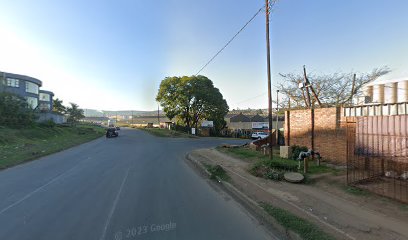
Natal Mechanised Farming is a Farm establishment in Dalton, KwaZulu-Natal, South Africa
Dalton
KwaZulu-Natal
3236
South Africa
Sorry, no records were found. Please adjust your search criteria and try again.
Sorry, unable to load the Maps API.
Farm services in Dalton, KwaZulu-Natal
Dalton, a rural area in KwaZulu-Natal, encompasses a mix of smallholdings and larger farming operations that serve the surrounding communities and markets. The range of farm services typically available in this region reflects the climate, topography and agricultural expectations of South Africa’s coastal hinterland. Service providers commonly focus on practical support that helps farmers maintain productivity, manage land responsibly and navigate seasonal cycles.
Farm management and advisory support are often offered by agribusiness consultancies, agricultural co-ops, and individual practitioners. These services may cover crop planning, soil analysis recommendations, programme planning for planting and harvest windows, and guidance on input optimisation. Given the local environment, many advisers emphasise sustainable farming practices, water stewardship, and the efficient use of fertilisers and labour.
Crop and pasture services form a core part of the offering in Dalton. This can include land preparation such as clearing, tilling, and compost incorporation; seedling establishment or sowing across suitable crops; and ongoing crop care, including fertilisation regimes, weed control, and pest management. Pasture management for grazing stock is another typical service, with attention to rotation, reseeding, and the use of protective measures to sustain forage quality through dry spells.
Livestock support is commonly requested by farmers in the area. Services may cover routine health management, vaccination programmes, and herd or flock monitoring. Practical assistance with fencing, secure housing, shade and shelter, water trough maintenance, and mineral supplementation can help livestock enterprises operate smoothly. In some instances, contractors provide on-farm assistance for routine handling, tagging, record-keeping, and transport readiness.
Machinery and equipment support is frequently vital on Dalton farms. Tractor work, ploughing, planting, harvest assistance, crop handling, and small-scale mechanical repairs are among the practical offerings. Equipment hire or outsourcing of specific tasks allows farms to adapt to seasonal peaks without maintaining a full-time specialist workforce. Farmers often value proximity to spare parts suppliers and reliable workshop services for timely maintenance.
Irrigation and water management are critical considerations in KwaZulu-Natal’s climate. Services may include irrigation system design, installation and maintenance, as well as advice on efficient water use, pump choice, and weather-based scheduling. When drought risk is high, contractors may assist with dam maintenance, water storage optimisation, and basic drip or sprinkler system checks to reduce water waste.
Harvesting, storage, and logistics are practical necessities that service providers frequently address. This can involve planning harvest timetables, ensuring clean handling facilities, and arranging transport or off-take arrangements to markets or processing facilities. In some cases, expertise extends to basic post-harvest processing or cleaning to meet market standards.
Practical considerations for customers in Dalton include verifying service capacity, travel distances, and access to reliable electricity and water. Farmers may benefit from clear agreements outlining timelines, responsibilities, and any safety or environmental requirements. While specific prices, names of suppliers, or formal accreditations are not universally standard across all providers, the emphasis remains on dependable, on-site support that respects local conditions and seasonal demand.
Overall, farm services in Dalton typically prioritise hands-on, practical assistance aligned with the region’s climate, terrain and market expectations. The emphasis is on enabling farmers to manage crops and livestock efficiently, optimise resources, and maintain steady operations throughout the production year.