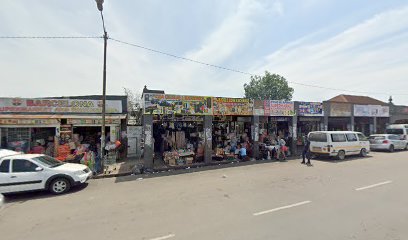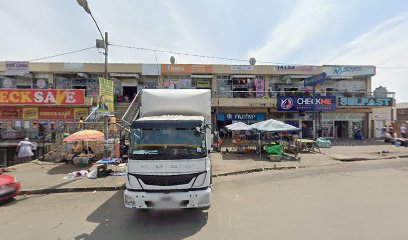
NCANDA FUNERAL HOME is a Funeral home establishment in Durban, KwaZulu-Natal, South Africa
Durban
KwaZulu-Natal
4340
South Africa
Sorry, no records were found. Please adjust your search criteria and try again.
Sorry, unable to load the Maps API.
Funeral home services in Durban, KwaZulu-Natal
In Durban, KwaZulu-Natal, funeral home services are organised to support families through a difficult transition with careful attention to cultural customs, religious beliefs, and practical needs. The city’s coastal location, diverse communities and range of cemeteries and crematoria influence how services are planned and conducted. Many establishments operate as local partners in the community, coordinating logistics, documentation and respectful ceremonies on behalf of bereaved families.
Typical offerings include guidance and coordination from initial contact through to interment or cremation. Funeral homes generally assist with transportation of the deceased from the place of death to a mortuary or chapel, preparation of the body, and the arrangement of viewings or visitations if requested. Embalming and cosmetic preparation are common services, though not mandatory, and some families choose simple refrigeration when time allows rather than full preparation. Arrangements can extend to the procurement of coffins or caskets, specialised urns for cremation, and any required church or venue equipment for the service.
Ceremonial options vary widely to reflect Durban’s multicultural fabric. Services may be held in churches, chapels, community centres, or burial and cremation grounds. Some funerals include live music, religious readings, eulogies, and cultural rituals. It is common for funeral homes to liaise with clergy, choirs, or musicians and to ensure that the programme respects the family’s traditions, whether Christian, Hindu, Muslim, isiZulu custom, or other practices. After the service, involvement often extends to the secular details of burial plots, cremation permits, or the handling of ashes in agreed-upon arrangements.
Practical considerations are an essential part of the process. Arrangements typically require the provision of a death certificate, notification of the relevant authorities, and coordination with cemeteries or crematoria. In Durban, access to multiple facilities means some families may choose between traditional burial or cremation, while others may consider memorialising options or commemorative services at a later date. Documentation, careful record-keeping, and adherence to local regulations are standard components of the service, with the funeral director guiding the family through timelines, fees, and permissions.
Financial considerations are usually discussed with sensitivity. Prices can depend on factors such as the level of preparation, choice of coffin or casket, transport distances, and the extent of the ceremony. While exact figures are not supplied, it is common for funeral homes to offer a range of packages or bespoke arrangements to suit personal budgets and preferences. Families are advised to clarify what is included, such as hearse utilisation, visitations, and aftercare or grief support services, to avoid unexpected costs.
Customer expectations in Durban often include prompt response, respectful handling of the deceased, clear communication, and availability across practical hours. Storage and refrigeration facilities are typically provided when there is a delay between death and the service. For those returning to or visiting Durban, it is useful to bear in mind local weather considerations and the potential impact on outdoor ceremonies or transportation logistics, as the coastline can influence travel plans and planning uncertainties.
In summary, funeral home services in Durban provide end-to-end coordination, compassionate care, and logistical support tailored to a variety of cultural and religious frameworks. By engaging with a reputable local provider, families can expect assistance with preparation, ceremony logistics, documentation, transport, and aftercare, all designed to honour the life being celebrated while easing the burden during a difficult time.
- Typical steps include initial contact, documentation, body preparation, transport to chapel or venue, service conducting, interment or cremation, and follow-up administrative tasks.
- Consider discussing preferences for religious or cultural rites, transport routes, and memorial options early in the process.