New Africa Education Foundation is a Educational consultant establishment in Durban, KwaZulu-Natal, South Africa
New Africa Education Foundation — Educational Consultant, Durban, KwaZulu-Natal
The New Africa Education Foundation is presented as a partner to corporate organisations and government, with a clear focus on improving education in South Africa. Its emphasis spans Science, Mathematics, Technology, Literacy and ICT, directed at assisting previously disadvantaged youth and communities. The organisation outlines a mission framed around making education a catalyst for change, positioning itself as a facilitator of targeted, impact-driven programmes rather than a single-service provider.
In the domain of Science education, the foundation describes its capacity as specialists in resourcing science laboratories and providing teacher training. The scope extends to project management for renovations, building construction and refurbishments, suggesting a blended service model that combines equipment provision with physical upgrading of learning spaces. This points to a capability profile that supports educational infrastructure alongside curriculum-based enhancements.
Mathematics services are framed around resourcing primary schools with maths resources and supplying training, study aids, and learning materials for high school learners. The emphasis is on equipping classrooms with appropriate tools to support mathematical teaching and learning across multiple grade bands, coupled with professional development for educators to maximise resource use.
Technology offerings focus on e-learning solutions, sourcing modern devices such as tablets, laptops and desktops, and addressing connectivity and bandwidth requirements. This highlights an end-to-end approach to digital inclusion in schools, covering hardware provision, network considerations and likely ongoing support to sustain technology-enabled learning environments.
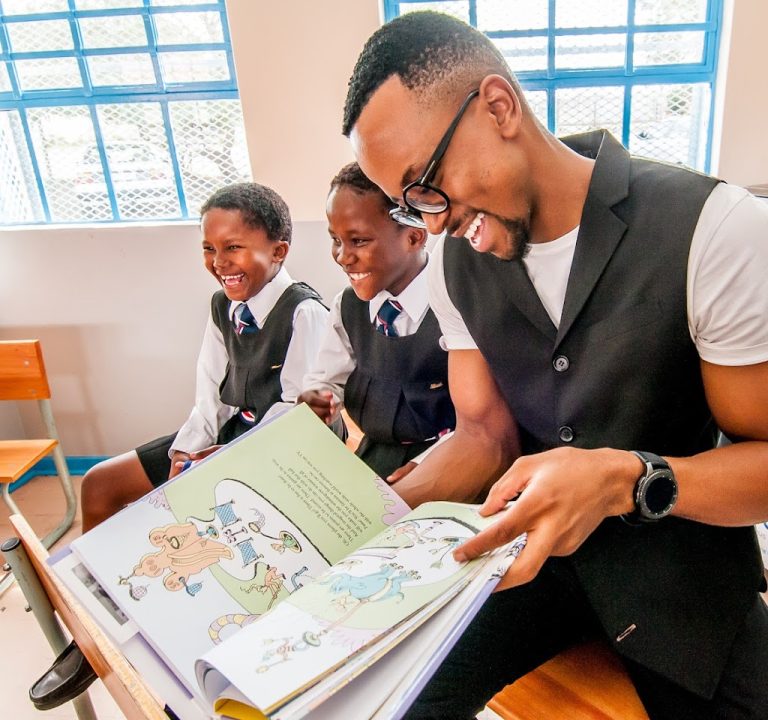
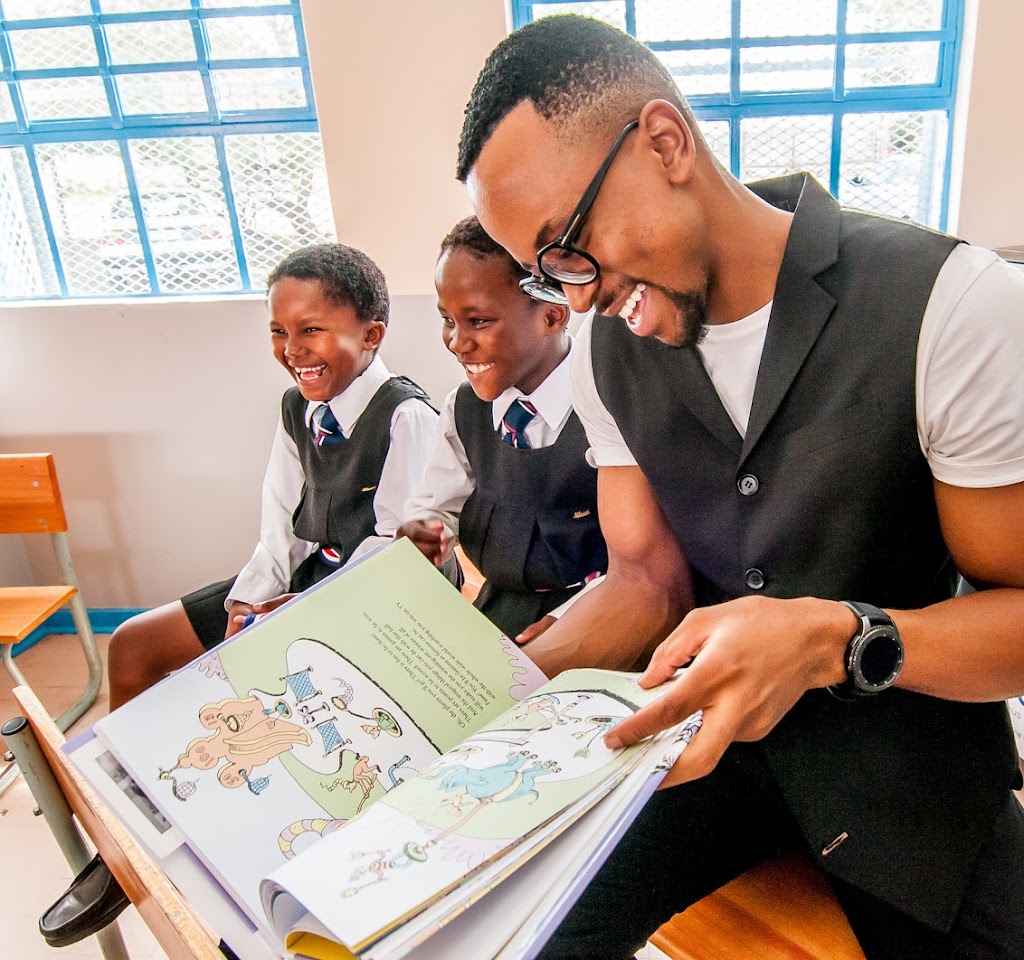
Literacy initiatives are described as nationwide projects that supply mobile libraries, audio-visual centres and books to schools, particularly those in previously disadvantaged communities. The breadth of literacy work implies a concerted effort to broaden access to reading resources and multimedia literacy supports in diverse schooling contexts.
Beyond the core educational content, the organisation’s services include a sequence of practical delivery and accountability activities. These encompass providing a range of quality products, arranging direct-to-school delivery, and implementing monitoring and evaluation to quantify the impact of investments. Media exposure is also featured as part of the valuation of corporate CSI (corporate social investment) activities, including interviews with school principals and photographic handovers for marketing purposes.
Operational processes are described in detail, highlighting needs analysis as a foundational step for sponsors wishing to influence school outcomes. Training for teachers on equipment use is included, along with branding of kits to ensure sponsor visibility in classrooms. Collaborative elements are emphasised through engagement with District Managers’ offices and Circuit Managers within the Department of Education (DOE), underscoring a structured government collaboration framework. Coordination of press releases and official handovers is noted as part of project communications and public awareness.
The organisation delineates a clear, client-facing process for securing partnerships. Step 1 involves engaging with a company to understand its corporate social investment spending requirements. Step 2 focuses on identifying specific projects that align with those investment objectives. Step 3 culminates in a project budget and proposal presented within 48 hours, followed by timetable planning and the establishment of a Service Level Agreement (SLA) for implementation. This pacing suggests an efficient bid-to-delivery cycle designed to align sponsors’ expectations with practical project execution.
Typical engagements appear to be large-scale, multi-faceted CSI initiatives rather than single-product transactions. The combination of product supply, teacher training, infrastructure upgrades, and strategic communications suggests partnerships with corporate entities seeking holistic educational uplift rather than one-off equipment donations.
Practical tips for prospective customers include clarifying the school’s immediate needs and learning priorities, preparing a realistic CSI budget range, and allowing for a transparent needs analysis process to identify compatible projects. Understanding the proposed SLA and project timeline can help ensure alignment between sponsor expectations and the foundation’s delivery plan. Additionally, it may be beneficial to consider how branding and media exposure could complement the sponsor’s corporate communications goals while remaining appropriate within the educational setting.
Geographically, the foundation positions itself within South Africa’s educational landscape, working with schools and DOE district structures. While specific service areas within Durban or KwaZulu-Natal are not itemised, the organisation’s nationwide literacy projects and district-level collaborations imply capacity to operate across multiple districts in the KwaZulu-Natal region as part of its broader mandate to improve science, mathematics, technology and literacy outcomes.
Durban
KwaZulu-Natal
4091
South Africa
Sorry, no records were found. Please adjust your search criteria and try again.
Sorry, unable to load the Maps API.
Educational consultant services in Durban, KwaZulu-Natal
Educational consultants in Durban, KwaZulu-Natal offer specialised guidance to students, families and schools navigating the South African education landscape. They typically assist with a broad spectrum of needs, ranging from personalised study planning to strategic school and career decisions. In the coastal city of Durban, consultants often draw on regional knowledge of schooling options, curricula and examination requirements to support learners at different stages of their educational journey.
One common area of service involves learning assessments and programme design. Consultants may conduct reviews of a student’s strengths, weaknesses and learning preferences, then help construct a customised study timetable, literacy and numeracy support plans, and targeted enrichment activities. This can include guidance on time management, study techniques and the efficient use of available resources to improve academic outcomes across core subjects such as mathematics, science and language arts.
Admissions and school matching constitute another core focus. Durban-based consultants frequently help families compare public and private options, including the range of primary and secondary schools within KwaZulu-Natal, as well as boarding arrangements where appropriate. They can assist with understanding school entry requirements, late applications windows, and the nuances of SA curricula, whether prevailing CAPS offerings, IEB streams or other school-specific programmes. The aim is to align a learner’s profile with schools that can support growth, nurture interests and optimise chances of admission.
Career guidance and post-secondary planning form a substantial component of the service mix. Consultants may provide information on remotely studied or on-campus higher education pathways, vocational routes, apprenticeships and scholarship opportunities. They commonly help learners set realistic timelines for tertiary applications, undertake self-assessment exercises to clarify interests and aptitudes, and explore potential study disciplines aligned with local and national labour market demand.
Curriculum planning and enrichment are frequently offered for learners who require additional challenge or specialist support. This can involve arranging tutoring in key subjects, exam preparation strategies for matriculation under the South African National Qualifications framework, and guidance on bridging programmes or bridging term plans for learners returning to education after a distraction or gap year. In Durban, where schools may vary in resources, consultants may also help families access curated learning materials and structured revision schedules to maintain continuity across terms and holidays.
Practical considerations shape how these services are delivered. Clear objectives are typically established at the outset, followed by a phased plan with milestones, timelines and regular progress reviews. Consultants emphasise confidentiality, ethical practice and respect for familial priorities, financial constraints, and cultural values. They often operate with discretion and aim to provide evidence-based recommendations rather than prescriptive mandates, supporting families to make informed decisions in the Durban context.
For customers located in KwaZulu-Natal, a regional perspective on travel, scheduling and subsidy options can be important. Some engagements may be conducted in person, at a family’s home, in a shared workspace or within a school environment, while others may rely on remote consultations. Practical considerations commonly discussed include availability outside school hours, the durability of study plans during exam seasons, and the coordination of ancillary services such as psychological or educational testing when appropriate and consented to by guardians.
Overall, educational consultants in Durban aim to demystify the process of navigating schooling, examinations and future study pathways. By combining assessment tools, personalised planning and informed advice about local options, they help learners progress with greater clarity, confidence and resilience in a dynamic educational landscape.