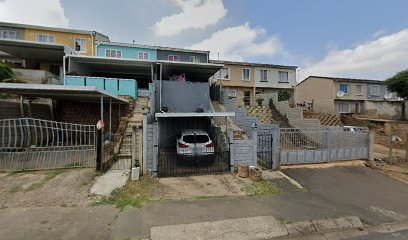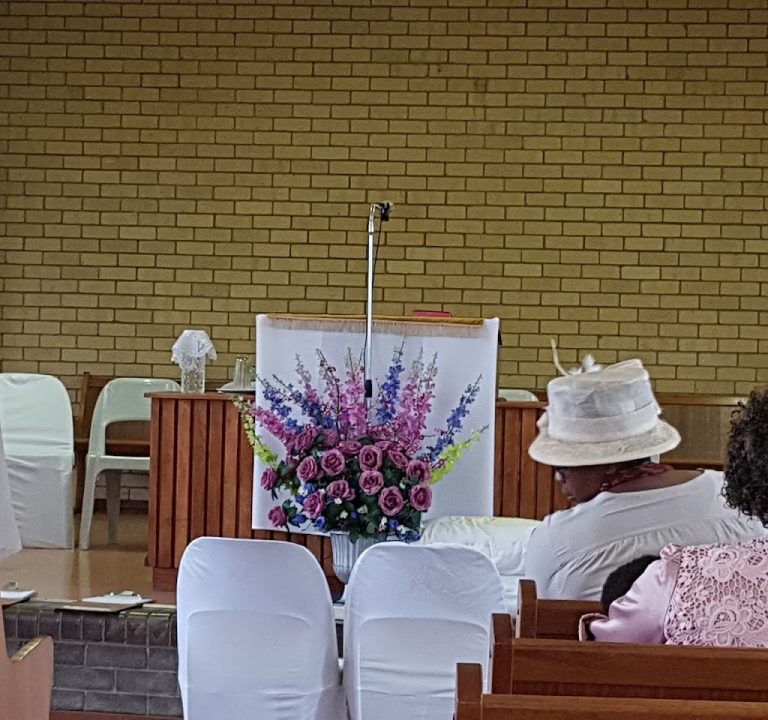
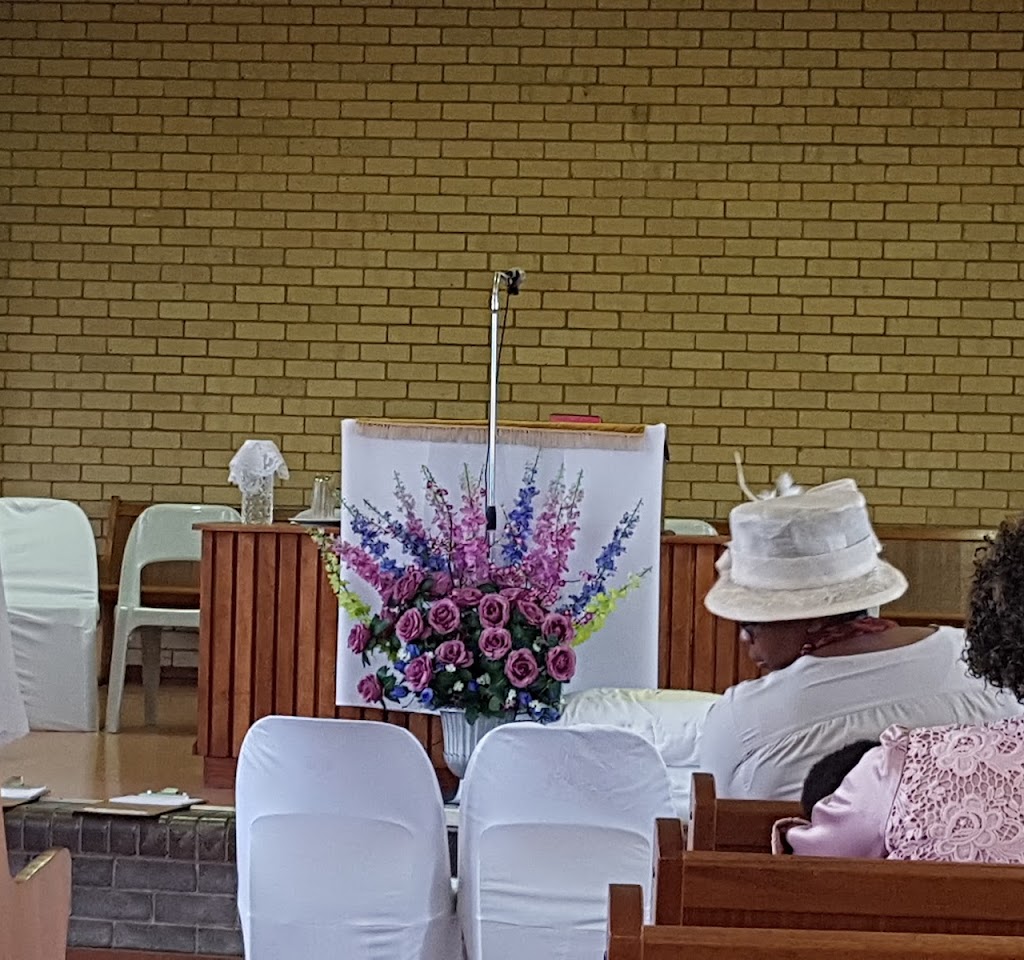
NEWLANDS EAST COMMUNITY HALL is a Community center establishment in Durban, KwaZulu-Natal, South Africa
Durban
KwaZulu-Natal
4037
South Africa
Sorry, no records were found. Please adjust your search criteria and try again.
Sorry, unable to load the Maps API.
Community centre services in Durban, KwaZulu-Natal
Community centres in Durban, KwaZulu-Natal offer a diverse range of services designed to support local residents, families and organisations. Positioned across urban and suburban areas, these centres function as hubs for learning, recreation, social support and cultural exchange. They are often managed by local councils, non‑profit bodies or partnerships with community groups, and operate with a focus on accessibility, inclusivity and practical assistance for day-to-day life.
The core purpose of many Durban centres is to provide safe, welcoming spaces where people can participate in structured programmes or informal activities. Typical offerings span educational support, skills development, health and welfare information, and opportunities for community engagement. Services are usually delivered through scheduled sessions, workshops, drop-in programmes and organised events, with some activities suitable for families, youths or older residents. The emphasis is on enabling participation regardless of background or income, subject to available resources.
Educational and personal development activities are common features. Residents can expect programmes that promote literacy and numeracy, basic computer and digital skills, and small‑scale vocational training. Language classes, particularly in isiZulu and English, are sometimes available to help residents access employment opportunities or engage more fully in the community. After-school and holiday clubs for children and teenagers are frequently offered, providing supervision, tutoring and constructive recreation during school holidays. For adult learners, centres may connect participants with local partners that deliver recognised accreditation or practical certificates where available, while keeping expectations realistic about accessibility and cost.
Health and welfare services form an important part of the centre’s remit. This may include health education sessions, information on nutrition, mental health awareness, and signposting to local clinics or social services. Some centres host outreach days with visiting healthcare professionals, blood pressure checks, immunisation information or harm reduction resources. Food support programmes or food‑bank style initiatives are commonly found in neighbourhood centres, aiming to alleviate food insecurity and promote community resilience. Where possible, partnerships with charitable organisations help extend the reach of these services.
Community engagement and cultural activities enrich Durban centres through programmes that celebrate local heritage, arts and sport. Activities may include cultural evenings, traditional crafts workshops, music or dance classes, and community sporting initiatives. Public meetings, volunteering drives and youth leadership projects enable residents to contribute to local decision‑making and to build networks within the neighbourhood. This collaborative approach underpins a broader objective of strengthening social cohesion and civic participation.
Practical considerations shape the experience of using a Durban centre. Access to facilities may be influenced by location, opening hours, and the availability of transport options or parking. Centres typically offer modest rates for room hire, programme fees, or attendance when schemes operate on a subsidised basis. Some venues provide childcare during sessions or dedicate spaces for disabled users, underscoring the importance of inclusive design. Participants are generally encouraged to engage with staff to understand how to join programmes, reserve spaces, or access information about opportunities and support services.
Community centres in Durban frequently collaborate with schools, non‑profits and local authorities to extend their reach. The result is a practical ecosystem where residents can learn new skills, access essential services and participate in civic life in a local, familiar setting. While individual centres vary in scale and emphasis, the overarching pattern is clear: centres function as accessible, adaptive spaces designed to meet immediate needs while fostering lasting community connections.
- Educational and skills‑building programmes
- Youth, family and after‑school activities
- Health information and welfare guidance
- Food support and nutrition outreach
- Cultural, arts and sporting activities
- Volunteer opportunities and community involvement