no-image
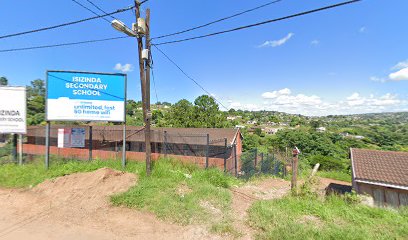
Nonopha Primary School is a Primary school establishment in Pinetown, KwaZulu-Natal, South Africa
Pinetown
KwaZulu-Natal
3610
South Africa

no-image
Sorry, no records were found. Please adjust your search criteria and try again.
Sorry, unable to load the Maps API.
Primary school services in Pinetown, KwaZulu-Natal
In Pinetown, KwaZulu-Natal, primary schools provide a broad spectrum of educational services designed to support learners from the early grades through to the start of secondary education. Schools in this area typically emphasise foundational literacy and numeracy, language development in both English and isiZulu, and a holistic approach to child development that includes physical education, social skills, and creative expression. The range of programmes tends to reflect the local community’s needs, with a focus on accessible education, safe learning environments, and opportunities for parental involvement.
A core component of primary school provision is standard classroom instruction, which covers core subjects such as mathematics, language studies, science, social studies, and the arts. Instructional methods often blend teacher-led lessons with active learning activities, collaborative projects, and class discussions. Larger schools may offer additional support through specialised resource rooms, remedial programmes, or extra-tuition periods to assist learners experiencing difficulties. Conversely, advanced learners might have access to enrichment activities or accelerated grades in certain subjects, subject to school policies and capabilities.
Practical arrangements commonly found in Pinetown primary schools include structured timetables, daily routines, and clear policies for attendance, discipline, and safety. Many schools operate a morning and afternoon session, with break times that provide space for outdoor play and social interaction. Transport arrangements are a practical consideration for families, with some learners using school buses, public transport, or organised carpooling based on proximity and safety concerns. Uniform policies, school meals or feeding schemes, and after-school clubs are all part of the typical offering, contributing to a stable and productive school day.
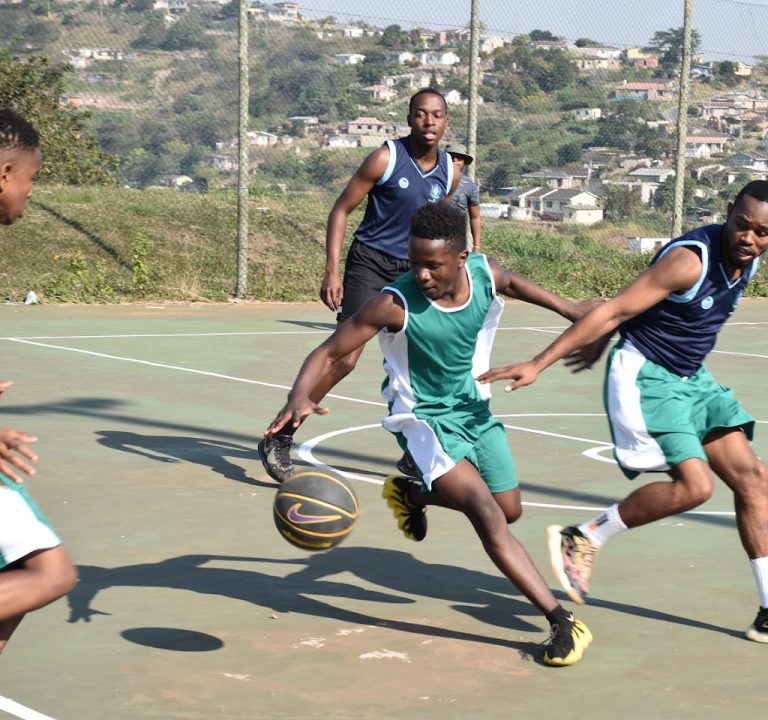
Extracurricular activities form a noticeable feature of the primary education experience in the region. Sports such as soccer, cricket, athletics, netball, and swimming are commonly available, alongside cultural and arts programmes, music lessons, and drama clubs. These activities aim to promote teamwork, resilience, and personal confidence, while also supporting physical health and well-being. Field trips and educational outings are often used to complement classroom learning, subject to logistical considerations and safety guidelines.
A further aspect of primary school services in Pinetown concerns parental engagement and communication. Schools commonly provide regular progress reports, parent-teacher meetings, and newsletters to keep families informed about learning targets, assessment outcomes, and school events. Guidance and pastoral support services may be offered through school counsellors, health staff, or designated welfare personnel to assist learners with social-emotional development, transitions, and school-life balance. The overall climate in reputable schools tends to emphasise inclusivity, mutual respect, and the safeguarding of learners.
Performance expectations for primary education in Pinetown generally align with national and provincial curricula, ensuring that learners attain essential competencies before advancing to higher grades. While exact curricula and assessment practices may vary between schools, the emphasis remains on a solid foundation in literacy, numeracy, critical thinking, and responsible citizenship. Parents and guardians should consider factors such as school ethos, class sizes, accessibility, and the availability of inclusive education when choosing a primary school in the area.
In summary, primary school services in Pinetown, KwaZulu-Natal, provide a comprehensive framework for early learning, combining rigorous academic foundations with opportunities for personal growth and social development. Practical considerations such as scheduling, transport, nutrition, and after-school options play a significant part in the daily experience, while community-focused engagement helps to sustain a supportive educational environment for children and their families.