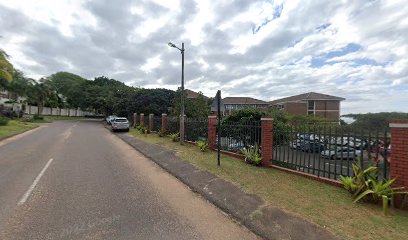
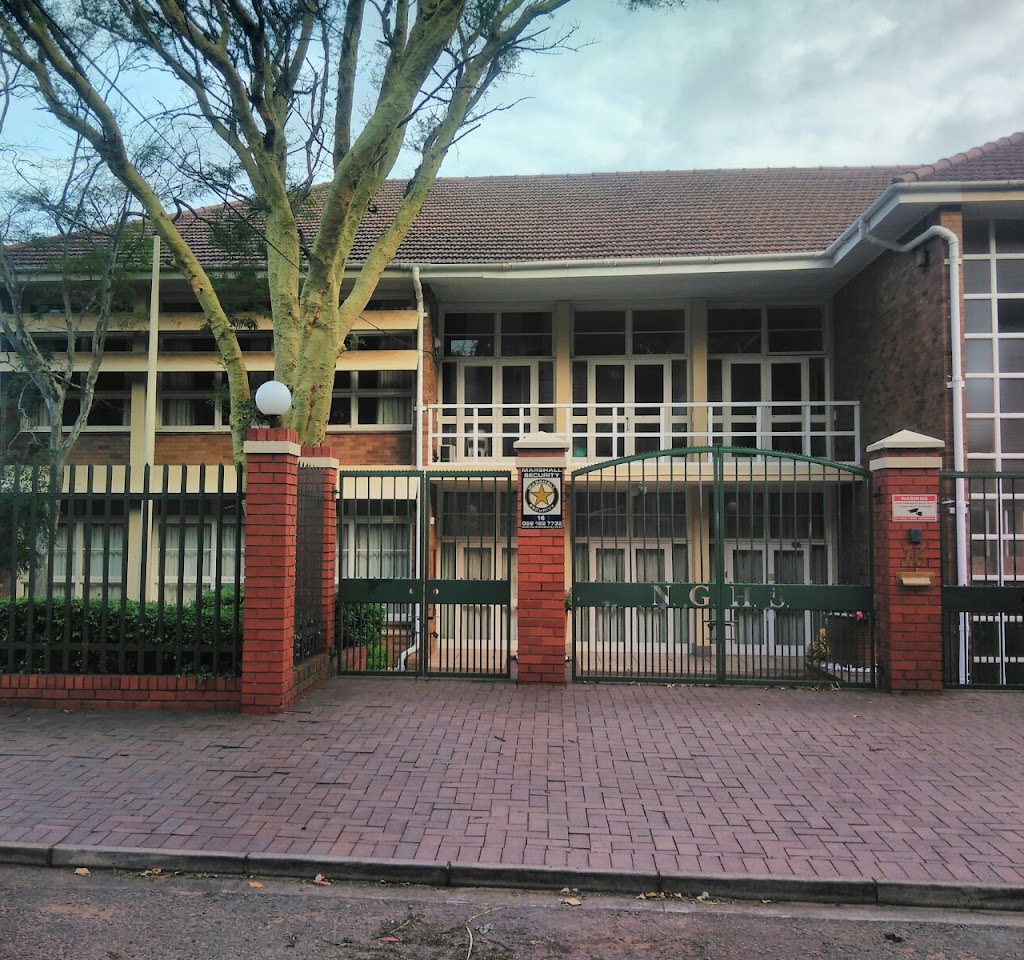
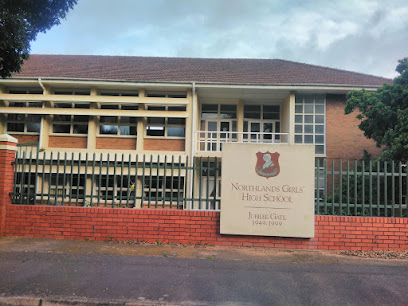
Northlands Girls’ High School is a School establishment in Durban, KwaZulu-Natal, South Africa
Northlands Girls’ High School — Overview and Services
Northlands Girls’ High School (NGHS) presents itself as a dynamic, future-focused secondary school for girls located in Durban North, KwaZulu-Natal. With a history dating back to 1953, the institution emphasises progression from a proud legacy towards a modern, forward-looking educational experience. The school serves around 700 learners aged 13 to 18, highlighting a sizeable community that values academic rigour alongside personal development and social responsibility.
From an external perspective, NGHS places strong emphasis on an inclusive culture and high standards across academic and co‑curricular life. The core values inscribed in the school badge—courage, integrity and resilience—appear to guide both day-to-day schooling and longer-term character development. The emphasis on personal growth is described as a central aspect of the learner experience, with a focus on nurturing confident, compassionate, and capable young women who are prepared to lead, serve and succeed in a changing world.
Curriculum and student development are framed within a holistic approach. NGHS states a commitment to a robust academic foundation while also fostering leadership, service and social responsibility. The school’s ethos suggests an ambition for students to excel academically while cultivating essential life skills, teamwork and ethical decision‑making. This combination aims to support learners as they navigate adolescence and prepare for post‑school pathways.
NGHS also maintains connections within the local educational landscape, noting a special historical relationship with its neighbouring brother school, Northwood School. Although it stands on its own legacy, the pairing signals opportunities for broader peer interaction, collaboration and shared experiences across schools in the area.
In terms of activities and experiences beyond the classroom, NGHS is associated with a range of events and programmes that contribute to a vibrant school life. Examples from the school’s recent communications point to cultural and artistic offerings, including participation in music and drama initiatives. Notable events referenced include the KZN Schools Jazz Festival and theatre productions, alongside school life that appears to celebrate creativity and public performance. These details suggest a lively cultural calendar that complements academic study and fosters confidence and communication skills in students.
NGHS’s location in Durban North places it within a well‑established urban area serving KwaZulu‑Natal. While specific service times and daily hours are not listed in public materials, the school’s schedule typically aligns with standard school terms and admissions processes commonly observed in Durban’s secondary education sector. Prospective families are encouraged to consult the school’s official communications for exact dates, open days and admissions timelines.
Typical experiences for families engaging with NGHS may include tours or open days, intake assessments for new learners, and guidance on the progression of learners through the senior school years. The school’s approach to admissions and enrolment is generally aligned with its emphasis on a strong academic base and well‑rounded development, ensuring that prospective pupils and guardians can assess fit with the school’s values and expectations.
Practical tips for prospective customers include planning ahead for admissions cycles, reviewing the calendar for information evenings or open days, and considering how NGHS’s offering aligns with a learner’s academic strengths, leadership interests and commitment to service. Visitors may wish to inquire about available co‑curricular opportunities, support programmes and how the school supports learners through the transition from early adolescence to late schooling. Given the school’s emphasis on character and leadership, families are encouraged to look beyond academics alone and consider how the school’s ethos and culture align with the learner’s personal development goals.
In summary, Northlands Girls’ High School presents a comprehensive secondary education option in Durban North. It combines a strong academic foundation with a values‑driven, inclusive culture and opportunities for cultural engagement and leadership. The institution appears to foster both intellectual growth and personal character, aiming to prepare learners to thrive in higher education and in their broader communities.
Durban
KwaZulu-Natal
4051
South Africa
Sorry, no records were found. Please adjust your search criteria and try again.
Sorry, unable to load the Maps API.
Overview of School Services in Durban, KwaZulu-Natal
Durban, situated along the KwaZulu-Natal coast, offers a diverse range of services that support schools and their communities. In this market, the focus tends to be on practical administrative assistance, student welfare, campus operations and related programmes designed to ensure smooth day-to-day functioning and positive educational outcomes. Service providers typically cater to state, independent and faith-based schools across urban and suburban areas, with consideration given to local transport routes, safety standards and community needs.
The administration and enrolment process is commonly supported by services that help schools manage admissions, enrolment documentation, scheduling and communication with families. Parents can expect clear guidance on application timelines, required forms and procedures, while schools benefit from streamlined record-keeping and compliant processing. In many Durban schools, offices coordinate with families to verify eligibility for bursaries or financial aid where available, subject to school policy and local regulations.
Student welfare and support are central components of school services in this region. Counselling services may address academic planning, career guidance, personal development and wellbeing, with referrals available for specialist support when needed. In addition, health and safety programmes are integral, covering routine first aid, health screenings, immunisation reminders and safety drills. Schools also emphasise inclusive practices, with resources aimed at learners with diverse needs and language backgrounds, reflecting KwaZulu-Natal’s multilingual communities.
Meals and nutrition services are commonly provided or coordinated to ensure pupils receive appropriate daytime sustenance. This often includes school meal programmes or arrangements with approved caterers, focusing on providing balanced, age-appropriate options. Nutritional awareness can be promoted through educational initiatives and partnerships with local suppliers, subject to budgetary constraints and school policy.
Transport and accessibility considerations are notable for Durban schools, given the city’s geography and traffic conditions. Transport services may involve coordination with bus or minibus providers, route planning, punctual collections and drop-offs, and arrangements for learners with special transport requirements. In rural or peri-urban parts of KwaZulu-Natal, some schools may organise shared transport solutions or partnerships to improve reliability and safety.
Curriculum support and enrichment services are often available to complement classroom learning. This may include after-school programmes, tutoring or study support, language assistance, and enrichment clubs or activities. The emphasis lies in reinforcing core subjects, promoting literacy and numeracy, and offering opportunities for creative, cultural or STEM-related exploration. Schools may partner with external tutors or programme coordinators to deliver targeted sessions aligned with the local curriculum.
Facility and campus management form another important facet of school services. Safe and well-maintained classrooms, libraries, laboratories and outdoor spaces contribute to a conducive learning environment. Practical considerations include accessibility, security measures, maintenance planning, and the efficient use of communal spaces for events, exams and gatherings. Where available, schools may offer facilities for community use outside school hours, subject to governance and safety rules.
Pricing, contractual terms and service levels vary across Durban’s school services landscape. Parents and schools are advised to review expectations around timelines, communication channels and response times. When considering any service, attention should be paid to reputational measures, local regulatory compliance and verification of references or credentials. Overall, Durban’s school services seek to support efficient operation, learner welfare and a positive, inclusive educational experience.