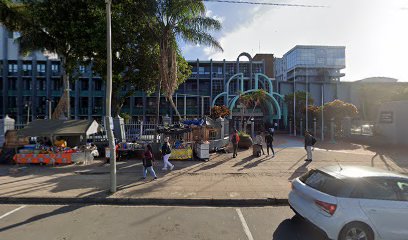
Orient Islamic School Musallah is a Mosque establishment in Berea, Kwa-Zulu Natal, South Africa
Orient Islamic School Musallah (Mosque) – Berea, Kwa-Zulu Natal
Orient Islamic School is presented as a long-established educational community in Durban, with a stated legacy spanning more than six decades. The site portrays a holistic learning environment that blends academic achievement with strong Islamic ethos, character development and sporting opportunities. While the primary focus of the institution appears to be a full school offering, its Islamiyaat framework is highlighted as a core element, underscoring the integration of faith-based education alongside general curriculum aims.
The school operates under the auspices of the Orient Islamic Educational Institute, a not-for-profit organisation founded in 1942. This history is referenced to emphasise perseverance and commitment to providing access to schooling for learners in the Durban area, including learners of colour during difficult historical periods. The narrative suggests a continuing tradition of serving families within the community through a programme aimed at developing leaders for the future in both intellectual and spiritual dimensions.
In terms of curriculum and activities, Orient Islamic School outlines several key strands. Academics are presented as a central pillar, with a progression through typical school phases including Early Childhood Development, Foundation Phase, Intermediate Phase, and High School. This structure indicates an organised approach to progressive learning, with attention to modern educational practices alongside traditional values. The site also highlights Islamiyaat as a dedicated area of study, reflecting the institution’s Islamic ethos as part of the overall education offering.
Beyond classroom learning, the school encourages a vibrant school life through a range of clubs and competencies. Reported activities include Debate, Science, and Robotics, among others, suggesting opportunities for learners to engage in practical and competitive projects, teamwork and critical thinking. The inclusion of such clubs points to an emphasis on personal development, collaboration and experiential learning alongside formal examinations.
Facilities and infrastructure are presented as part of the broader school offering. Although specific facilities are not detailed in the overview, the presence of dedicated sections within the site implies a maintained environment geared toward supporting both academics and religious studies. The combination of classroom spaces and specialised Islamiyaat provisions is indicative of a campus designed to accommodate a diverse set of educational needs.
The live community surrounding Orient Islamic School is described through internal networks and leadership structures. The school highlights an active network that includes board members, a Mothers Committee and a Parents Committee, suggesting a governance model that engages families in school life. Leadership is also emphasised through student roles such as Prefects, Leadership, and Islamiyaat leadership, indicating avenues for student involvement in governance and community activities.
Practical information for visitors and prospective families is straightforward. The school is located at 49 ML Sultan Road, Greyville, Durban, with contact numbers listed for accessibility, and email addresses for general and administrative enquiries. The site also notes the presence of online updates through its social media channels and an app-based news and calendar service, reflecting an intent to keep the broader community informed and engaged.
Typical expectations for a prospective visitor or new enrollee include familiarising oneself with the school’s blended approach to education—combining a robust academic pathway with Islamiyaat studies and a range of extracurricular clubs. The emphasis on tradition alongside modern learning suggests an environment that values continuity alongside innovation, aiming to equip learners with both intellectual capability and ethical foundations for the future.
- Main services offered: comprehensive school education from Early Childhood to High School, Islamiyaat/Islamic studies, and a range of clubs (e.g., Debate, Science, Robotics).
- Typical activities and programmes: academics across multiple phases, Islamiyaat studies, extracurricular clubs, and student leadership opportunities.
- How requests and engagement usually work: information is disseminated via the school website, social media, and a dedicated app for updates; contact channels are provided for inquiries and enrolment-related questions.
Best time to engage is guided by general school communications—checking the site sections for admissions, Islamiyaat and facilities, and following official channels for the latest notices. The Berea/Durban area served includes communities around Greyville, with direct contact options available for further clarification or to arrange visits.
Berea
Kwa-Zulu Natal
4023
South Africa
Sorry, no records were found. Please adjust your search criteria and try again.
Sorry, unable to load the Maps API.
Mosque Services in Berea, Kwa-Zulu Natal
In Berea, Kwa-Zulu Natal, mosques function as community hubs in addition to their religious duties. They typically provide a range of services designed to support daily worship, spiritual education, and social cohesion for local residents and visitors alike. For newcomers, the experience often begins with clear signage and a respectful atmosphere that recognises diverse cultural backgrounds while maintaining traditional practices.
Regular daily prayers, including the obligatory five daily salah, form the core routine of mosque life. Prayer spaces are usually arranged to accommodate worshippers of varying sizes, with separate areas or times for men and women in compliance with local customs. The call to prayer, or adhan, may be heard from the minaret or speakers, inviting the community to pause their activities and join in collective worship. Special prayers, such as the Friday congregational prayer (Jumu’ah), attract larger assemblies and are often accompanied by a short sermon (khutbah) that addresses community matters and guidance from Islamic teachings.
Aside from worship, mosques in Berea commonly offer educational programmes. Quranic recitation (tajweed), memorisation (hifz), and basic Arabic classes are frequently arranged for children and adults. Weekend classes or evening sessions may cover Islamic jurisprudence (fiqh), ethics, and the life of the Prophet Muhammad (sirat). These programmes are designed to foster spiritual development, reinforce religious knowledge, and provide a welcoming space for families to learn together. Some mosques also host interfaith dialogues or cultural events that help bridge understanding with neighbours and other faith communities.
Community services extend beyond education and prayer. Mosques frequently operate support networks for daily needs, including guidance on charitable giving, community welfare, and assistance for those facing hardship. This may involve coordinating volunteer initiatives, distributing food parcels or essentials, and organising visits to the sick or elderly. The emphasis is on fostering neighbourliness and shared responsibility within the Berea neighbourhood and the broader Durban area.
Facilities within Berea mosques typically include ablution areas to cleanse before prayers, suitable lighting and acoustic arrangements to support quiet reflection and sermon delivery, and separate prayer spaces to ensure modesty and comfort. Access arrangements may vary, with some mosques offering wheelchair-friendly entrances and alternative seating for elders or visitors with mobility needs. It is common for mosques to provide modest dress guidance in the entrance or reception areas, aligning with local norms and the preferences of individual worshippers.
Visitors should expect a respectful environment that encourages punctuality for prayer times and adherence to established etiquette. Shoes are usually removed before entering prayer halls, and quiet conversation is often encouraged to preserve the sanctity of the space. Sermons and lectures are typically delivered in a manner that is informative and accessible, with allowances for translations or explanations if required.
Practical considerations when engaging with mosque services in Berea include checking prayer times, which can vary with the season and moon sighting. Arrangements for women’s attendance, childcare during gatherings, and the availability of seasonal programmes or community events may also differ between mosques. Locals often emphasise the importance of arriving a little early for peak times such as Friday prayers to ensure a comfortable place to sit and participate.
Overall, mosques in Berea operate as inclusive, community-oriented centres that support spiritual practice, education, and mutual aid. They offer a coherent framework for worship, learning, and social contribution, adapting to the needs of residents while maintaining the core traditions of Islamic practice in Kwa-Zulu Natal.