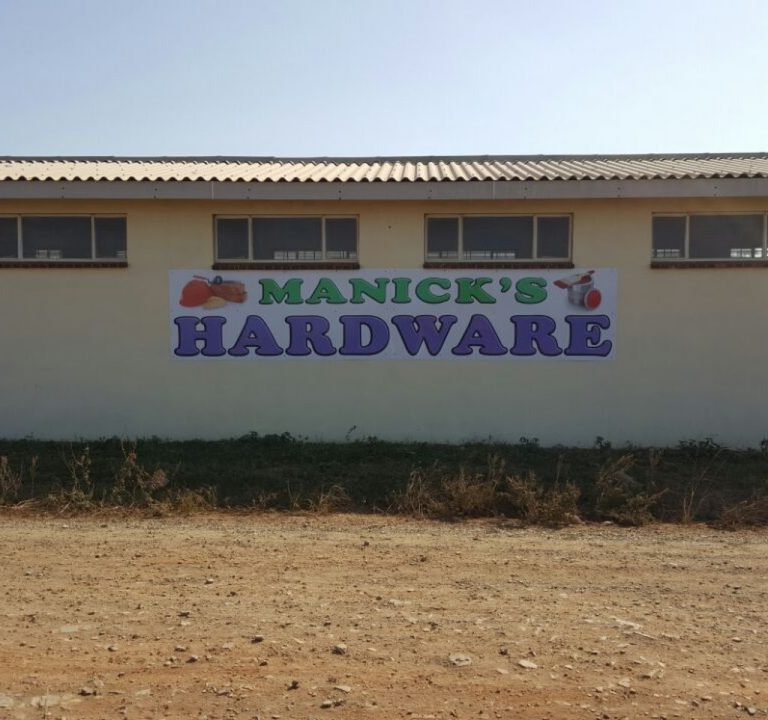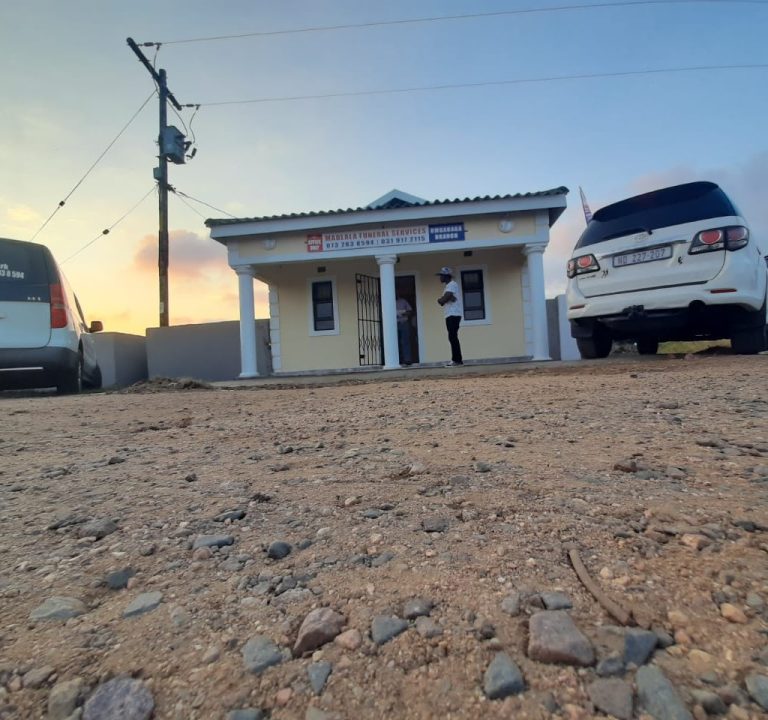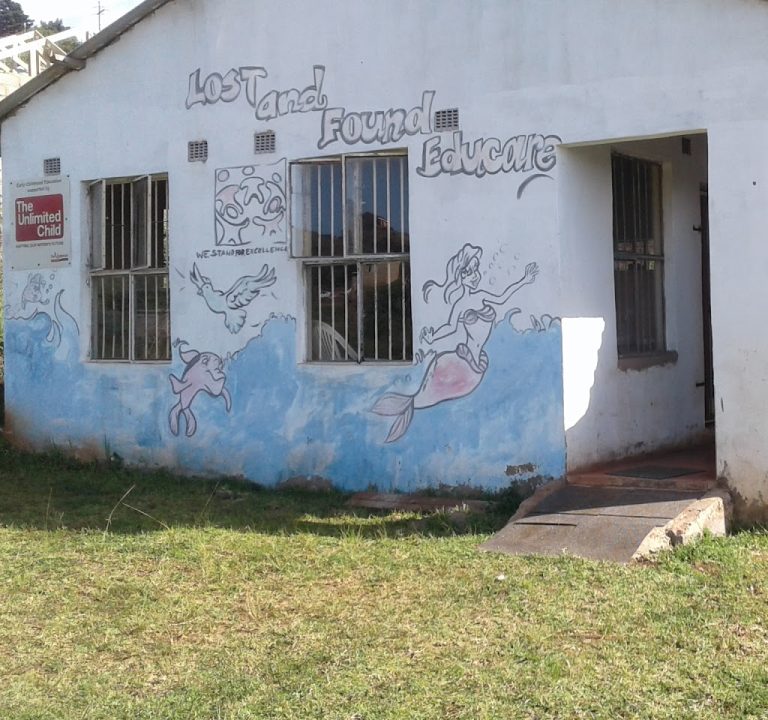
Othandweni ECD Centre is a Creche establishment in Umgababa, KwaZulu-Natal, South Africa
Umgababa
KwaZulu-Natal
4126
South Africa
Sorry, no records were found. Please adjust your search criteria and try again.
Sorry, unable to load the Maps API.
Creche Services in Umgababa, KwaZulu-Natal: What Parents Can Expect
Creche services in Umgababa, KwaZulu-Natal, are designed to support families by providing safe, supervised spaces for young children during the daytime. These facilities typically cater to infants and toddlers, offering structured routines that combine play, learning, meals, and rest. While each centre may have its own style and emphasis, common elements across the area focus on nurturing development, fostering social interaction, and ensuring warm, dependable care in a local community context.
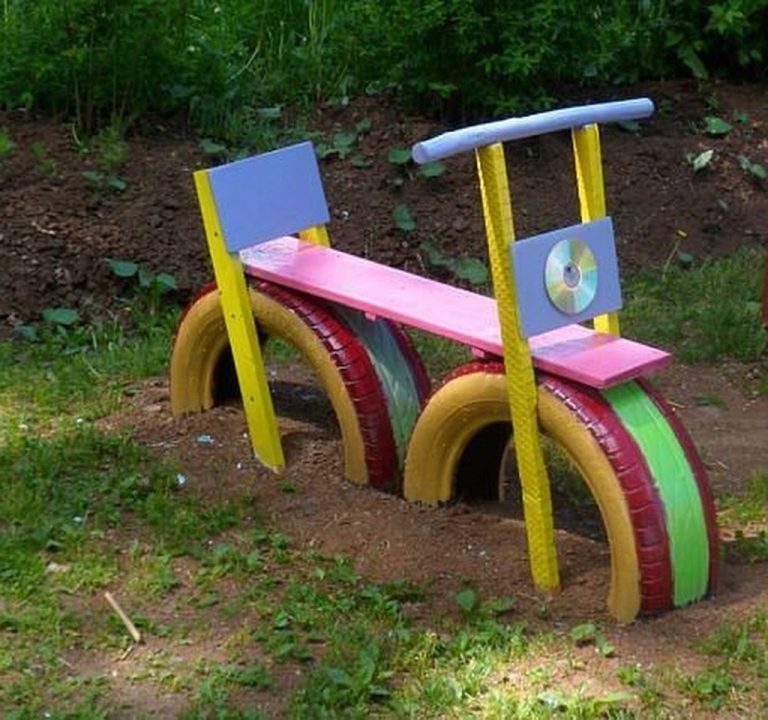
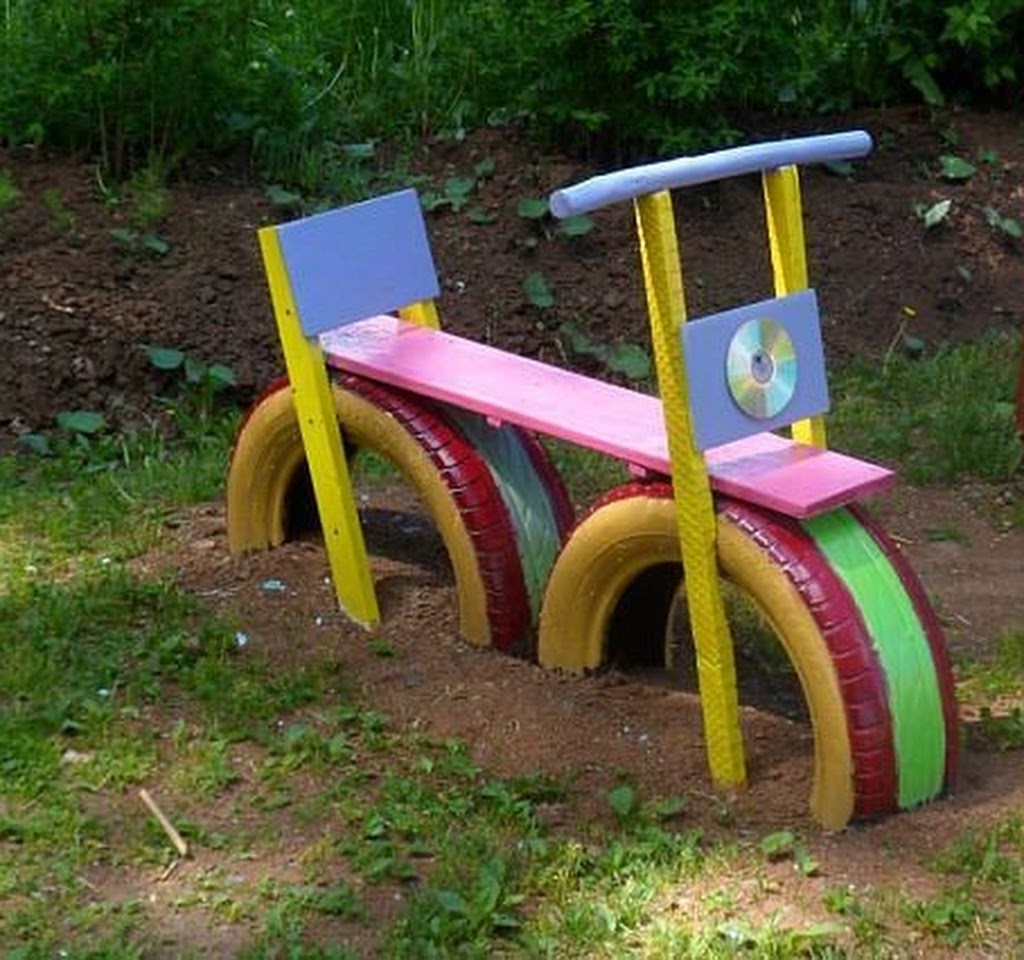
Most creches in this coastal region maintain well‑organised playrooms and outdoor play areas where children can explore age‑appropriate activities. Indoor spaces usually feature a mixture of free play zones, supervised activity corners, and quieter nooks for rest or quiet play. Outdoor areas commonly include safe fencing, shaded seating, and simple play equipment that supports gross motor development. The emphasis is on creating engaging experiences that support curiosity, language development, emotional security, and early numeracy concepts through everyday hands‑on experiences.
Typical daily routines at a creche in Umgababa may involve morning arrivals, welcome chats with caregivers, snack time, structured activities, and opportunities for creative play. Meals and snacks are often prepared on site or supplied by a trusted local kitchen, with attention to nutrition, portion sizes, and accommodation for dietary restrictions. Sleep times are usually scheduled for younger children who require daytime rest, with designated quiet areas and comfortable bedding. A consistent routine helps children feel secure and supports smoother transitions between activities.
Staff at these creches are generally trained in early childhood care and development, with small to moderate caregiver‑to‑child ratios that align with local guidelines. The approach tends to emphasise safety, positive guidance, and responsive responses to a child’s needs. Providers commonly use routine health and hygiene practices, including handwashing, sanitisation of play surfaces, and safe food handling. Parents can expect clear communication about a child’s day, progress, and any notable concerns through daily notes, brief meetings, or informal updates.
Practical considerations for families seeking creche services in Umgababa include assessment of location convenience, hours of operation, and availability of flexible options such as full‑day care or half‑day programmes. Proximity to home or work can influence planning, particularly for drop‑offs and pick‑ups around commuting periods. It is common for centres to require a registration or enrolment process, including the submission of emergency contacts and health information, along with consent for routine activities and basic medical care if needed. Fees structures vary, with terms that may cover snacks, meals, and sometimes extra services, so enquiries about what is included are prudent.
Safety and sustainability are important considerations. Creches in this region typically prioritise secure entrances, visitor sign‑in procedures, and supervision by staff trained to respond to emergencies. Some centres offer outdoor spaces that reflect KwaZulu‑Natal’s climate, providing shaded play areas to protect children from sun exposure while enabling outdoor learning experiences. Parents might also consider the centre’s policy on illness, maternity/paternity leave, and temporary suspensions to understand how absences affect regular attendance.
For families evaluating creche options, it is useful to observe a tour or trial day to gauge the environment, cleanliness, and the rapport between staff and children. Questions about language use, cultural inclusivity, and opportunities for parental involvement can help determine whether a centre aligns with family values and expectations. While each creche operates within broader regulatory and community contexts, the general aim remains consistent: offering dependable, development‑friendly care that supports children’s growth while providing peace of mind for caregivers and parents alike.
- Typical age ranges and daily routine elements
- Meal provisions and dietary accommodation
- Safety measures, staff ratios, and interaction style
- Registration, payments, and attendance policies
- Location, hours, and practicality for families