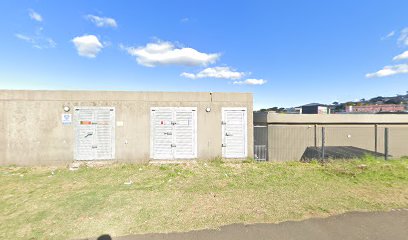
Our Lady Of The Wayside is a Catholic church establishment in Queensburgh, KwaZulu-Natal, South Africa
Queensburgh
KwaZulu-Natal
4079
South Africa
Sorry, no records were found. Please adjust your search criteria and try again.
Sorry, unable to load the Maps API.
Catholic Church Services in Queensburgh, KwaZulu-Natal: An Overview
In Queensburgh, KwaZulu-Natal, Catholic parishes offer a tapestry of liturgical and communal activities centred on the celebration of the Catholic faith. The principal weekly gathering is the Mass, a sacred rite that forms the cornerstone of parish life. This central act of worship combines scripture readings, a homily from a priest, communal prayers, and the eucharistic rite, during which congregants receive Holy Communion. Masses are typically conducted across weekends, with additional weekday services to accommodate parishioners’ diverse schedules.
Parishes emphasise the sacramental life of the church, providing regular opportunities for the faithful to celebrate the key rites that mark the journey of faith. Baptisms are commonly offered for infants and, in some cases, for older children or adults seeking entry into the Church. Confirmation, often administered to adolescents or young adults, joins individuals more deeply to the life of the church, while reconciliation (confession) is available in scheduled times or by appointment for those seeking forgiveness and spiritual guidance. The sacraments of the sick and anointing are offered to parishioners facing illness or old age, reflecting the care and pastoral support typical of Catholic communities in the region.
Beyond sacramental provision, Catholic parishes in Queensburgh typically offer catechetical programmes and faith formation for children, teenagers, and adults. These include preparation for First Holy Communion, Confirmation preparation, and RCIA (Rite of Christian Initiation for Adults) for those exploring baptism and full communion with the Church. Such programmes are designed to nurture spiritual growth, deepen understanding of Catholic teaching, and foster participation in parish life.
Liturgical life is routinely enriched by choir-led singing, traditional responses, and the use of ritual gestures that accompany the Mass. In many parishes, the liturgy is celebrated with attention to the rhythms of the Church year, including seasons such as Advent, Christmas, Lent, Easter, and Ordinary Time. The languages used during services can reflect the local community, with English and local African languages common, alongside Latin in some traditional settings. Accessibility considerations, including wheelchair access and parking provisions, are often addressed to accommodate families, elderly parishioners, and visitors.
Practical considerations shape daily parish life in Queensburgh. Parish centres may host regular community meetings, youth clubs, and social outreach programmes, reflecting the Catholic Church’s emphasis on service to neighbours. Financial contributions are typically collected during Masses via offertory baskets, and parish offices provide information on funerary rites, wedding preparations, and parish events. Dress standards tend to be modest for Mass, with an emphasis on respectful attire appropriate to a sacred environment and the solemnity of worship.
Visitors and newcomers are generally welcomed, with guidance on how to participate in the liturgy. Attendees may observe the sequence of readings from the Bible, the prayers of the faithful, and the celebrant’s prayers and blessings. Some parishes publish mass intention notices or parish newsletters to inform the community about upcoming services, feast days, and outreach activities. While individual parishes may have slight variations, the overarching pattern follows a shared Catholic tradition focused on worship, sacraments, and community life in Queensburgh and the surrounding KwaZulu-Natal area.
For those new to the area or exploring faith communities, a parish priest or designated pastoral team can provide information on service times, special ceremonies, and entry requirements for sacraments. The experience in Queensburgh centres on reverence, pastoral care, and a sense of parish belonging that supports spiritual growth and communal assistance within the local community.