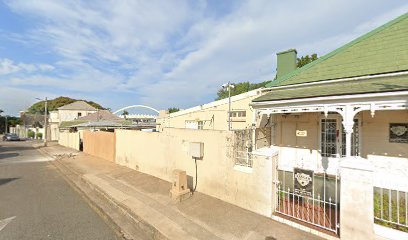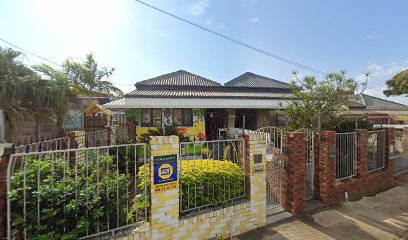
Oxford Pre School is a Preschool establishment in Durban, KwaZulu-Natal, South Africa
Oxford Pre School — Durban, KwaZulu-Natal: an observant overview of services and user experience
Oxford Pre School is described as a small, private and unique preschool accommodating children from 18 months to 5 years. The setting emphasises development through play and engaging, fun activities, aligning with widely recognised principles of childhood development and brain-based learning research. The approach positions learning as most meaningful when children are involved in imaginative play, exploration and themed activities, rather than through rigid instruction alone.
Leadership and programme structure are portrayed as strongly person-centred. A highly trained and experienced educator guides the daily activities to meet the individual needs of each child. The curriculum is themed, with units of learning that provide context and relevance for developmental goals. The programme is explicitly linked to the CAPS (Curriculum and Assessment Policy Statement) framework provided by the Department of Education, indicating alignment with national standards while preserving a child-focused, play-based ethos.
Small class sizes are highlighted as a core feature, enabling ample individual attention and continuous assessment. This combination supports ongoing monitoring of a child’s progress and tailored support where necessary. The learning environment is described as homely, warm and comfortable, complemented by a garden area that offers varied equipment for active, outdoor play and discovery. A balance is outlined between structure and flexibility: routines are described as clearly guided yet adaptable, allowing teachers to improvise in response to opportunities that arise during the day.
The programme is designed to foster a broad spectrum of developmental outcomes. Through play, imagination, creativity, and adventure, the preschool aims to nurture physical, social and emotional development, as well as language, creative, scientific and musical abilities. The emphasis on experiential learning—through play-based themes and meaningful activities—supports holistic growth across multiple domains, preparing children for subsequent schooling and social environments.
The overall customer experience at Oxford Pre School is framed around a warm, intimate setting where caregivers and educators provide close attention to each child. The combination of small groups, theme-driven units and a responsive routine suggests a nurturing atmosphere where children may feel secure while engaging with diverse learning experiences. The inclusion of a garden and outdoor play spaces adds an important practical dimension for physical activity and sensory exploration, contributing to a well-rounded early educational experience.
For prospective families, information suggests a straightforward inquiry process. Inquiries are typically handled through contact channels provided on the site, including telephone and email, with an emphasis on accessibility via additional platforms such as Facebook. A “Request a Call Back” option appears to facilitate initial conversations and scheduling discussions for visits or assessments, reflecting a user-friendly approach to initiating engagement.
Typical services offered include:
- Private early childhood education for ages 18 months to 5 years
- Structured, yet flexible daily routines tailored to individual children
- Theme-based units that provide meaningful contexts for learning
- Play-based learning encompassing physical, social, emotional, linguistic, creative, scientific and musical development
- Small class sizes with continuous assessment and individualised attention
- A homely classroom environment with a garden for outdoor exploration and play
- Curriculum alignment with the CAPS framework
How requests typically work: enquirers can contact the preschool by phone, email or Facebook, with the option to arrange a callback or a visit. This pathway supports potential families in understanding the programme, observing the environment, and discussing enrolment options in a low-pressure manner. Information about fees, exact schedules, and admissions procedures is not detailed on the page, so prospective visitors are advised to use the provided contact channels to obtain the most up-to-date information.
Practical tips for customers planning a visit or enquiry include timing considerations for peak admissions periods, asking about class availability and age-group allocations given the small-group model, and requesting a brief tour of the garden and classroom setup to observe how play-based activities are facilitated. Visitors may also wish to review how the educator-to-child ratio translates into daily experiences and how continuous assessment informs individual progress plans. While explicit hours are not provided in the available content, potential entrants should verify operating hours and best times to visit when making contact.
Oxford Pre School serves the Durban area within KwaZulu-Natal and is positioned as a locally focused option for families seeking a nurturing, developmental environment for young children. The programme’s emphasis on play, theme-based learning, and adherence to CAPS standards positions it as a glossary-friendly choice for families prioritising holistic development within a warm, supportive setting.
Durban
KwaZulu-Natal
4001
South Africa
Sorry, no records were found. Please adjust your search criteria and try again.
Sorry, unable to load the Maps API.
Preschool Services in Durban, KwaZulu-Natal
Preschool services in Durban, KwaZulu-Natal, are structured to support early childhood development through a blend of play, learning, and social interaction. Local preschools typically cater to children from around two to five years old, preparing them for formal schooling while nurturing creativity, curiosity, and basic literacy and numeracy skills. The approach emphasises safe, nurturing environments where children can explore alongside peers, guided by trained early childhood educators.
In Durban, preschool programmes commonly combine free play with organised activities aimed at developing language, motor, and cognitive skills. Daily routines may include circle time for songs and discussions, story sessions, arts and crafts, and supervised outdoor play. Many settings also incorporate structured activities such as alphabet and phonics exploration, number awareness, shapes and colours, and science-inspired investigations tied to real-world experiences in the local environment. Social and emotional development is prioritised, with attention to sharing, turn-taking, independence, and conflict resolution.
A typical day at a Durban preschool often features a balance of teacher-led activities and child-initiated play. Small-group activities enable tailored attention to individual learning needs, while larger group sessions encourage collaboration and communication. Food and nutrition form part of the daily routine in several preschools, with emphasis on healthy snacks and safe food handling practices. Some centres offer programmes that accommodate different cultural backgrounds, reflecting the regional diversity and the family-oriented communities found throughout KwaZulu-Natal.
Practical considerations for families seeking preschool in Durban include location, safety, and accessibility. Urban and coastal areas may present different commuting times and parking arrangements; a convenient premise near a neighbourhood or commuter routes can be advantageous for parents with busy schedules. Class sizes vary, with many centres aiming to maintain low ratios to ensure adequate supervision and personalised learning experiences. Open-door policies and transparent safeguarding practices are commonly highlighted, with parents often invited to observe sessions or attend family days to gain insight into the learning environment.
Curriculum and progression are typically age-appropriate and designed to lay a strong foundation for future schooling. While establishments in Durban may differ in their named programmes, the focus commonly remains on holistic development rather than attainment benchmarks alone. Prospective families are advised to inquire about daily timetables, indoor and outdoor facilities, and the balance between play-based and structured learning. A clear outline of daily routines—such as arrival, rest periods, meals, and pick-up procedures—helps in planning and reduces disruption for young children.
Safety and welfare are central considerations. Reputable preschools tend to implement secure access to premises, well-maintained play equipment, and clean, well-ventilated environments. Staff qualifications and ongoing professional development are often highlighted as indicators of quality, alongside basic policies on illness, injuries, and safeguarding. Parents may wish to confirm deposit and fee structures, holiday dates, and any additional charges for specialised activities or extended hours, while recognising that pricing models can differ across facilities within KwaZulu-Natal.
In summary, Durban preschools are typically designed to deliver a balanced, nurturing start to formal education. They emphasise social skills, early literacy and numeracy exposure, and a stimulating physical environment, all within safe and supportive settings. For families, the decision often hinges on proximity, fit with family routines, the perceived warmth of staff, and the transparency of daily routines and safety practices.