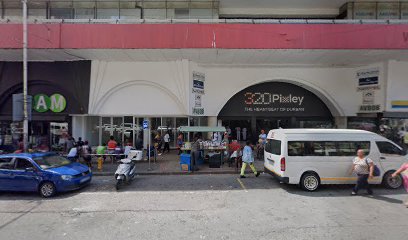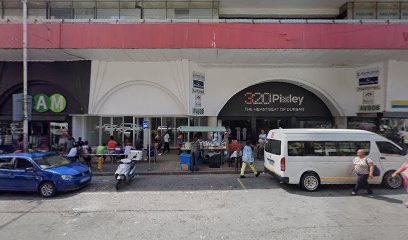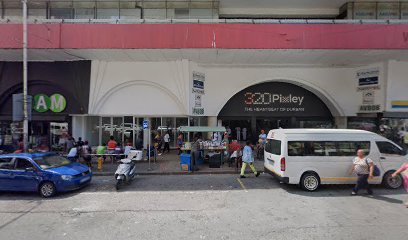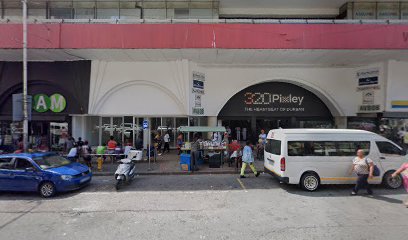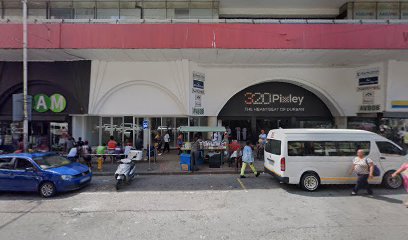
PANSALB is a Board of education establishment in Durban, KwaZulu-Natal, South Africa
Durban
KwaZulu-Natal
320 West St
South Africa
Sorry, no records were found. Please adjust your search criteria and try again.
Sorry, unable to load the Maps API.
Board of Education Services in Durban, KwaZulu-Natal
Durban, a coastal city in KwaZulu-Natal, operates within the broader framework of South Africa’s Department of Basic Education, with local boards and education authorities responsible for administering and supporting public schooling. In this setting, board of education services typically concentrate on governance, policy guidance, and the practical orchestration of schooling across a district that includes urban and peri-urban communities as well as more rural precincts in the surrounding region. The aim is to ensure that schools provide a consistent standard of education while addressing local needs and priorities.
Essential responsibilities commonly undertaken by boards include setting strategic direction and oversight for school clusters, monitoring outcomes against national and provincial benchmarks, and ensuring compliance with national curriculum requirements. Boards facilitate alignment between policy directives and on-the-ground practice, helping schools implement the curriculum, assessment standards, and reporting obligations required by the Department of Basic Education. This often involves coordinating with school principals, subject advisors, and district officials to support continuity and quality across schools within the municipality and surrounding areas.
Key services and activities typically associated with Durban’s board structures include the following:
- Policy development and governance: Establishing local policies that reflect provincial mandates, safeguarding equitable access to education, and ensuring transparent decision-making processes for school admissions, enrolment, and resource allocation.
- Curriculum implementation and assessment support: Assisting schools to implement the national curriculum and grade-specific requirements, including the administration of standardised assessments, tracking learner progress, and providing guidance on pedagogy and moderation.
- Resource planning and infrastructure oversight: Evaluating needs related to classroom capacity, safety, and facilities, and liaising with municipal authorities and provincial departments to prioritise upgrades, maintenance, and safe transport arrangements where applicable.
- Financial stewardship and funding oversight: Advising on budget priorities, expenditure controls, and the efficient utilisation of provincial or allocated funds to support learners, teachers, and school infrastructure.
- School governance and community engagement: Encouraging robust school governance structures, parental involvement, and community partnerships to enhance learning environments and student support services.
- Quality assurance and inspection: Coordinating periodic reviews of school performance, safety compliance, and educator development programmes, with a focus on continuous improvement and accountability.
- Special needs and inclusive education: Coordinating access to support services for learners with special educational needs, ensuring appropriate provision and accommodation across schools within the district.
Practical considerations for families and educators in Durban include navigating admissions processes, transport arrangements, and accessibility to high-quality schooling across diverse neighbourhoods. Parents may encounter varying levels of school choice, with some institutions offering specialised programmes or emphasis on particular disciplines, alongside the general curriculum. Access to reliable information about school hours, transport routes, and safety protocols is typically facilitated through district offices, school communications, and local community networks.
For educators and administrators, the local board environment emphasises collaboration with the provincial department to uphold standards, share best practices, and address challenges such as overcrowding, resource constraints, and the ongoing need for professional development. While the exact mechanisms and titles may differ between districts, the overarching pattern across Durban remains one of coordinated governance, policy alignment, and a focus on delivering equitable, quality education to learners across KwaZulu-Natal’s urban and peri-urban landscapes.