PAX College is a College establishment in Durban, KwaZulu-Natal, South Africa
PAX College – Durban, KwaZulu-Natal: Services, Experience and How It Works
Situated in the Durban area, PAX College operates as a private tertiary institution focused on practical, industry-aligned vocational education. The college emphasises hands-on learning across chosen fields, with programmes designed to meet workforce needs and to facilitate employability upon graduation. Core offerings span information technology, business studies, tourism, beauty and hotel/catering, all delivered through a structured blend of theoretical knowledge and practical components.
The main services described by PAX College centre on delivering recognised qualifications while fostering industry-ready competencies. Academic provision includes National Diplomas and related credentials that align with Department of Higher Education and Training (DHET) requirements. The institution holds accreditation and recognition from several bodies, including DHET, Umalusi, APPETD and the QCTO, which helps ensure qualifications are recognised within South Africa and in international job markets. This accreditation framework supports assurances around quality assurance, curriculum relevance and assessment standards.
Academic delivery is complemented by an emphasis on practical learning. Courses are designed to integrate extensive theoretical understanding with practical components to mirror real workplace environments. The college highlights its aim to equip students with sufficient skills to meet industry standards and to prepare them for immediate entry into the job market or further study. In addition to formal tuition, free tutorials are offered to assist students who need extra support, contributing to a supportive learning atmosphere and higher chances of academic success.
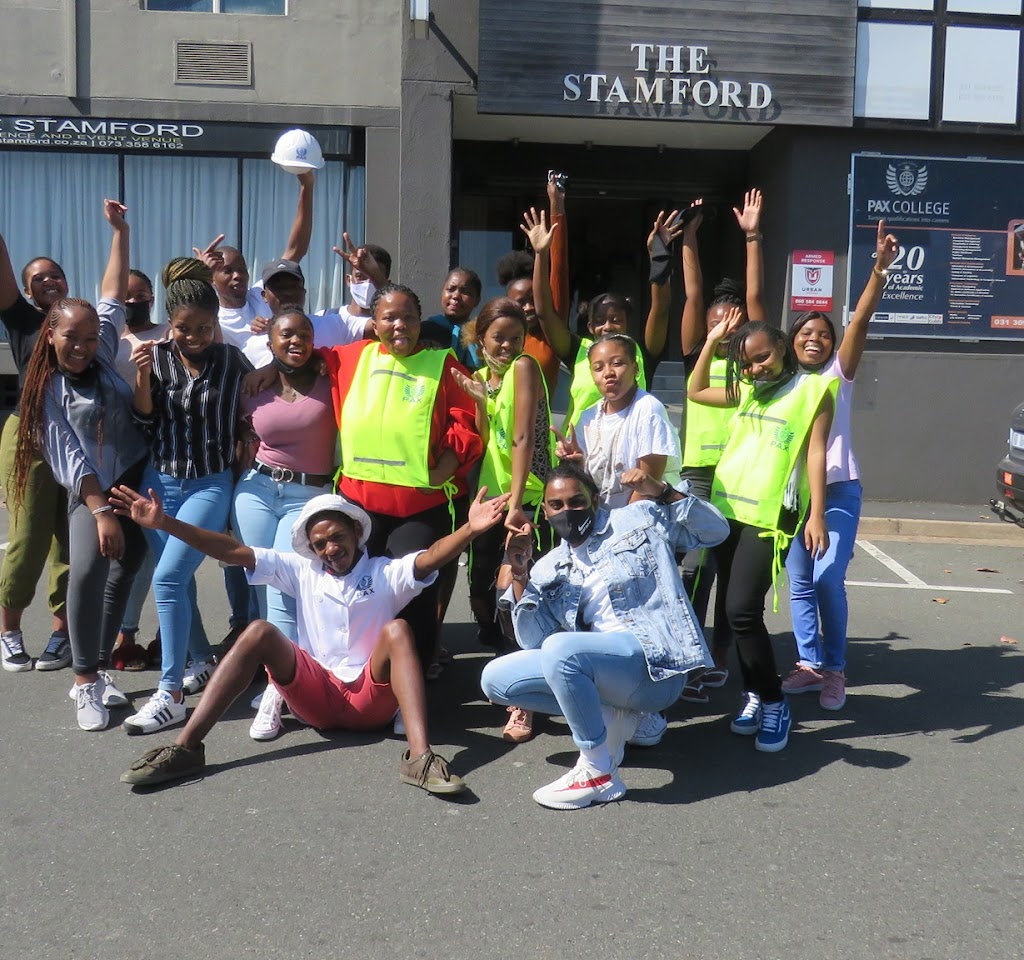
Student life and support form a notable part of the PAX experience. The campus is described as a safe and secure environment that enables students to concentrate on their studies. Beyond academics, the college fosters a vibrant campus culture with various extra-curricular activities, including balls, fashion shows, dramas, dances, sports days and excursions. This breadth of activity is presented as contributing to a well-rounded student experience, helping graduates emerge as confident, well‑rounded individuals ready for professional life.
Flexibility in study schedules is also highlighted. Flexi-time hours are offered to accommodate individual needs, which can help students balance education with personal commitments or work. The college further positions itself as a partner in career progression by offering in-service training and job placement assistance at no extra cost, and by maintaining relationships with industry to support workplace placements and potential pathways into employment.
Partnerships play a significant role in PAX College’s strategy for expanding opportunities. A high-profile collaboration with Mangosuthu University of Technology (MUT) is described as a transformative engagement intended to bridge education and industry. The partnership aims to provide articulation opportunities for graduates to pursue further study at MUT, while also enabling joint community projects and industry collaborations. Historical ties with Durban University of Technology (DUT) and other industry entities are noted as having supported articulation pathways and broader educational development, underscoring a longstanding focus on practical progression from college to higher education or the workforce.
Applicant and student communications are facilitated through the college’s online channels, including a query submission option. This reflects a process where prospective students, current learners or industry partners can initiate contact to seek information or support as part of the enrolment or career development journey.
Typical user feedback highlights the supportive culture and the dedication of academic staff. Student testimonials describe encouragement from lecturers, a sense of belonging within a “PAX family” and a belief that education at PAX opens doors for future opportunities. These reflections reinforce the college’s narrative of a caring, industry-aware institution with a track record of placing graduates in roles aligned with their qualifications.
Practical tips for customers:
- Explore the college’s main fields of study (IT, Business, Tourism, Beauty and Hotel/Catering) to identify programmes that align with career goals and local industry demand.
- Take advantage of free tutorials if extra support is needed, and consider the flexi-time option if scheduling is a constraint.
- Investigate financing options and study loans through partner financial institutions that the college mentions as part of assisting affordability.
- Review the accreditation profile (DHET, Umalusi, APPETD, QCTO) to understand how qualifications are recognised regionally and internationally.
- Consider the MUT collaboration as a potential pathway for further study and broader articulation opportunities.
- For enquiries or to initiate admissions, use the provided online query feature to obtain specific information about courses, fees and timelines.
Location-wise, the college serves the Durban area, offering a locally accessible option for tertiary education, with emphasis on practical training pipelines that connect learners to private sector and government opportunities. While specific business hours are not stated on the available content, the emphasis on flexible scheduling and proactive industry partnerships suggests a responsive approach to student needs and appointment planning.
Durban
KwaZulu-Natal
Stamford Hill, Durban
South Africa
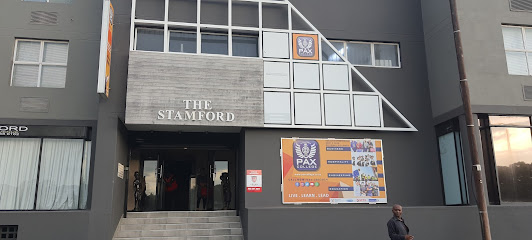
Sorry, no records were found. Please adjust your search criteria and try again.
Sorry, unable to load the Maps API.
Overview of College Services in Durban, KwaZulu-Natal
Durban, a coastal city in KwaZulu-Natal, hosts a variety of colleges that cater to diverse learner needs, ranging from vocational training to higher education programmes. These institutions typically emphasise practical skills, industry connections, and routes to employment, alongside access to academic qualifications. For prospective students and employers alike, understanding the core services on offer helps shape informed choices about education, training, and upskilling within the region.
Colleges in Durban commonly provide a spectrum of programmes designed to accommodate different levels of prior achievement and time commitments. Core offerings often include full-time and part-time diplomas, certificates, and short courses aligned with local industry needs. In addition, many institutions deliver preparatory studies or bridging courses to assist individuals aiming to upgrade their qualifications or to enter fields that require specific entry requirements. A recognised feature is the emphasis on practical, hands-on learning, which frequently involves workshops, computer laboratories, and supervised work placements.
Student support services form a central part of several Durban colleges. These services typically cover academic advising, career guidance, and personal support designed to help learners navigate study pathways, manage workloads, and plan for employment or further study. Libraries, study centres, and tutoring options are commonly available to bolster independent learning and retention. Administrative offices provide assistance with enrolment processes, timetable information, and general enquiries, ensuring accessibility for local residents and returning students.
In terms of delivery, Durban colleges may offer flexible study models to accommodate working adults and commuters. This can include evening classes, weekend workshops, and blended learning arrangements that combine face-to-face instruction with online resources. Where facilities permit, practical training can take place in specialised classrooms or on-site workshops that simulate professional environments relevant to fields such as technology, business administration, hospitality, health, and engineering-related disciplines. The aim is to bridge theoretical knowledge with practical application, improving employability upon programme completion.
Industry connections play a significant role in the regional college landscape. Partnerships with local employers, industry bodies, and statutory organisations help shape curricula, provide internship opportunities, and support job placement after graduation. Visitors or guest speakers from industry may enhance learning by sharing real-world perspectives, while career fairs and networking events can assist learners in identifying opportunities and building professional networks.
Practical considerations for prospective students include budgeting for tuition and materials, understanding the timetable structure, and assessing accessibility. Durban’s geography, traffic patterns, and public transport options can influence attendance and study planning, particularly for part-time learners. Availability of financial aid or student support programmes varies between institutions, with some offering bursaries, payment plans, or scholarship opportunities subject to eligibility. It is prudent to verify what is included in course fees, such as textbooks, equipment, or examination costs, and to understand the process for deferral, credit transfer, or completion requirements.
From a consumer perspective, the quality and scope of college services in Durban depend on accreditation, governance, and assessment practices. Institutions typically adhere to national or provincial educational standards for their respective programme levels, ensuring that qualifications are recognised for further study or employment. Learners are encouraged to review programme outlines, entry requirements, and the progression routes available after completion, as these detail the potential pathways into higher education, apprenticeships, or direct entry into the job market.
Overall, Durban’s college sector offers practical, accessible routes to skills and qualifications, with a strong focus on employability and real-world preparation. For individuals seeking to upskill, re-enter education, or transition into new careers, these institutions provide foundational support, structured learning, and opportunities to connect with local employers, all within a regional context that emphasises opportunity and community development.