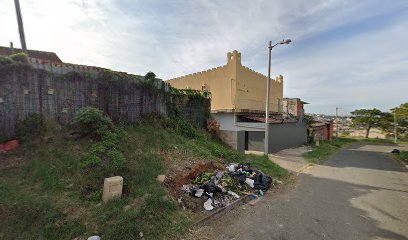
Phoenix Community Centre is a Community center establishment in Durban, KwaZulu-Natal, South Africa
Phoenix Community Centre — Community Hub in Phoenix, Durban
The Phoenix Community Centre (PCC) operates as a long‑standing non‑profit organisation rooted in community development across Phoenix and its surrounding townships in KwaZulu‑Natal. Since 1989, PCC has positioned itself as a multifaceted hub delivering education, sport, culture and social programmes. Its mission foregrounds people‑first development, facilitating skills training and fostering partnerships that enable social growth. The centre serves as a focal point for youth, women and families, with a strong emphasis on empowerment, volunteering and civic participation.
Core facilities and programmes cluster around four broad areas. First, a youth centre supports after‑school activities and youth engagement, providing a space where young people can participate in constructive recreation and personal development. Second, a sports hub offers opportunities for fitness and team‑based recreation, helping to channel energy into healthy, supervised activity. Third, the arts and culture stream networks local artists and organisations, supporting cultural exchange and creative endeavour. Fourth, education and social development activities include skills training, workshops and community capacity building aimed at improving employability and practical life skills. Collectively, these offerings aim to uplift lives by building confidence, networks and practical capabilities within the community.
PCC also operates a notable Early Childhood Education (ECD) initiative. The centre has run home‑based educare training for unemployed women since 2012, equipping participants with the skills to establish small, home‑based creches. The programme is delivered by trained professionals and local health, welfare and education partners, with the objective of creating job opportunities and expanding access to early years education in Phoenix and neighbouring areas. Over years, thousands of women have benefited from this training and many have established or supported creches in the community.
Specific community events and activities form a visible part of PCC’s programme calendar. The Phoenix Flea Market, launched in July 2025, takes place on the first Sunday of each month at the Phoenix Youth Centre in Whetstone. The market opens at 9.00 and closes at 16.00, featuring more than forty stalls, live music and entertainment, dance demonstrations, yoga and indoor sports. The market’s development signals PCC’s emphasis on local enterprise, culture and social engagement. The Diwali Festival in eThekwini is another flagship event, now held over two days at the Phoenix Youth Centre. It combines music, dance, cultural showcases, stalls and health and education activities, designed to promote unity, economic opportunity and cultural celebration within the Phoenix region.
In addition to large events, PCC has collaborated on cultural and wellness activities such as monthly yoga sessions at the Phoenix Youth Centre, conducted in partnership with the Indian Consular Office’s Durban representation. These sessions underscore a broader commitment to well‑being, inclusivity and cross‑cultural engagement within the community.
The Centre’s governance and transparency are emphasised through formal structures. PCC operates as a registered Non‑Profit Organisation (NPO) and Public Benefit Organisation (PBO), with annual meetings and audited financial statements to ensure accountability. A diverse board includes local civic, welfare, education and cultural leaders, reflecting a broad network of civic engagement and governance expertise.
Geographically, PCC focuses on Phoenix and surrounding areas, commonly referred to as the “pink” area, including Inanda, KwaMashu and Ntuzuma. The organisation also notes service reach to neighbouring communities, fostering regional collaboration and shared development opportunities.
Typical engagement pathways include community participation in programmes, volunteering for activation and fundraising, and booking PCC facilities for events or training. The centre also signals openness to donations and collaboration with educational, religious and civil society partners to sustain and expand its community infrastructure.
- Main services offered: youth activities, sports facilities, arts and culture networking, education workshops, skills training, and social development programmes.
- Typical activities and events: youth programmes, sport sessions, creative arts events, ECD training, flea markets, Diwali festival, yoga sessions.
- Typical requests/workflow: inquire about programme participation, volunteer opportunities, or facility bookings; involvement through events or partnerships; donations welcome via PCC’s contact channels.
- Key locations and hours: PCC operates from 20 Featherstone Place, Phoenix; the Phoenix Flea Market runs from 9.00 to 16.00 on the first Sunday each month (with a view to expanding). Diwali festival activities span a weekend, with ongoing cultural and community programming.
- Area served: Phoenix and surrounding townships including Inanda, KwaMashu and Ntuzuma (the pink area).
Practical tips for customers and participants include checking the PCC calendar for upcoming market dates, cultural events and training courses; noting that the flea market is implemented as a community‑driven, monthly gathering with live entertainment and family activities; and planning visits around major events such as the Diwali festival, which offers wide community participation and access to free programmes and resources. For those seeking involvement or support, PCC provides contact details for enquiries and donation opportunities, alongside information on how to engage with ECD training initiatives or partner with the organisation on community development projects.
Durban
KwaZulu-Natal
4068
South Africa
Sorry, no records were found. Please adjust your search criteria and try again.
Sorry, unable to load the Maps API.
Community centre services in Durban, KwaZulu-Natal
Community centres in Durban, KwaZulu-Natal, function as local hubs that bring residents together to access a range of practical services and programmes. Typically situated within urban neighbourhoods and townships, these centres aim to support families, young people, the elderly and marginalised groups through coordinated activities, information access and social engagement. While offerings vary by centre, the core purpose remains to strengthen community resilience and connectivity through accessible, inclusive provisions.
Families and individuals commonly utilise centres for child and youth services, including after‑school supervision, homework clubs, study support and organised recreational activities. These programmes provide safe spaces during late afternoons and holidays, promoting constructive use of time, peer interaction and the development of essential life skills. For younger participants, activities may be paired with basic personal development, sports, arts and culture, and occasional travelling exhibitions or community projects that foster a sense of belonging and responsibility.
Older residents often benefit from age‑friendly initiatives such as social clubs, health and wellness gatherings, mobility and balance sessions, and information outreach on topics like pensions, elder care and access to social services. Some centres collaborate with libraries or local clinics to host health drives, vaccination information sessions and screening events, contributing to preventative care within the community.
Skill development and employability are common focal points. Centres may offer beginner computer lessons, basic digital literacy, CV preparation, job seeking workshops and entrepreneurship or micro‑business support in partnership with relevant local organisations. While specific courses vary, the aim is to improve confidence, numeracy and everyday career readiness, with pathways to more formal training often explored through linkages to municipal programmes or NGOs.
Community development and social outreach are frequent themes. Centres commonly host drop‑in sessions for residents to access information on housing, grants, utilities and social services. Counselling and guidance—often delivered by trained volunteers or partner organisations—help address personal or family challenges, while reference materials and multilingual information support inclusivity for diverse neighbourhoods across KwaZulu‑Natal.
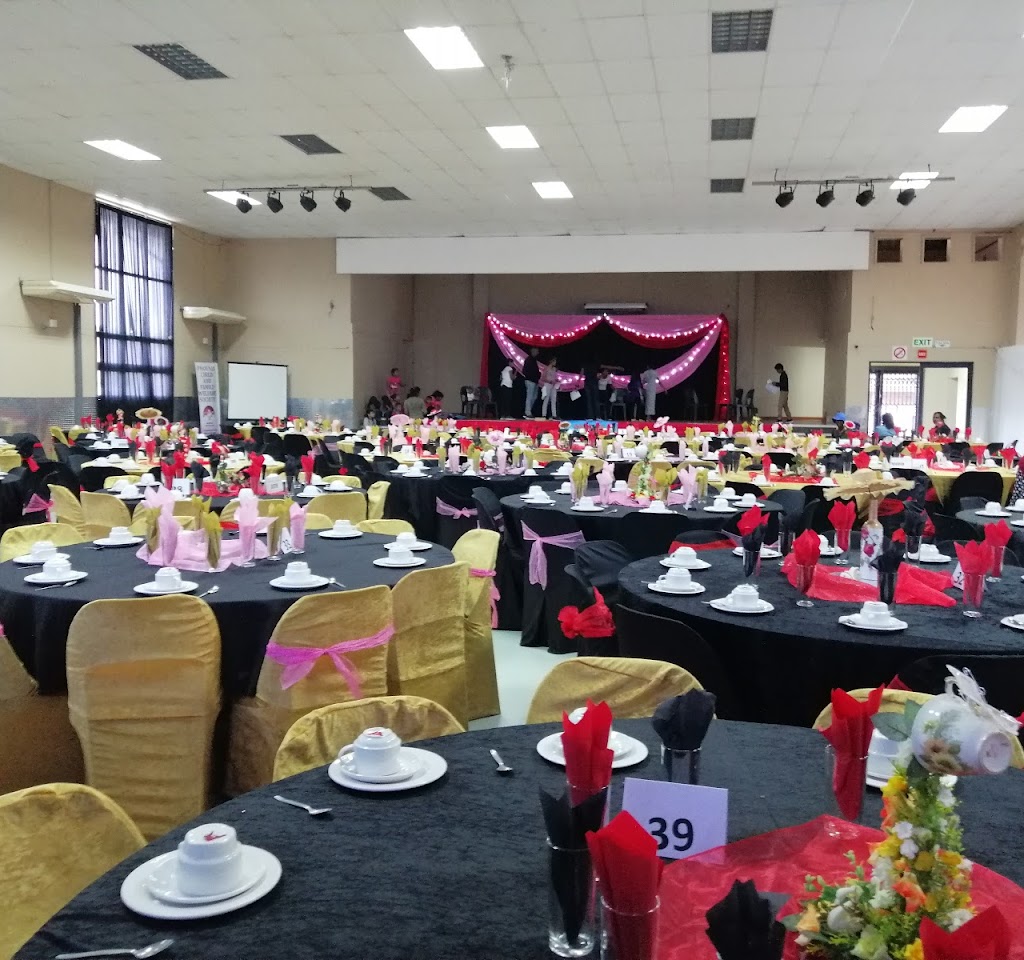
Facilities within Durban’s community centres typically include meeting rooms, halls for workshops or events, kitchen spaces for community meals or nourishment programmes, and sometimes libraries or computer labs. Outdoor spaces or fenced play areas may be available for organised sports and youth activities. Centres frequently act as coordination points for volunteers, neighbourhood watch initiatives and community improvement projects, connecting residents with local authorities and civil society groups.
Access and practical considerations are important when engaging with centre services. Location and transport links influence attendance, as many residents rely on bus routes or walking. Parking availability, step‑free entry, accessible toilets and clear alternative formats for information help ensure inclusivity. Hours of operation often align with school schedules or working patterns, with peak activity during late afternoons, weekends or school holidays. Some offerings may be free or supported by community grants, with modest fees for certain activities or resources to sustain local services.
For residents considering utilisation, the typical process involves checking local postings or municipal notices for programmes, registering where required, and participating in introductory sessions to understand suitability. Centres frequently emphasise voluntary participation, community ownership and ongoing collaboration with schools, health services and non‑profit organisations to extend reach and impact across Durban and the wider KwaZulu‑Natal region.