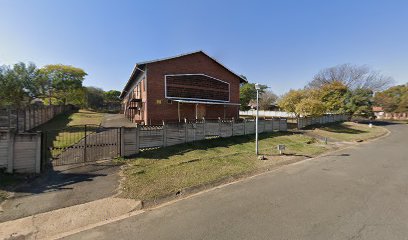
Pietermaritzburg Model Engineering Society is a attractions establishment in Pietermaritzburg, KwaZulu-Natal, South Africa
Pietermaritzburg Model Engineering Society – Attractions and Visitor Experience
The Pietermaritzburg Model Engineering Society (PMES) is a long-established hobbyist organisation based in Bisley, Pietermaritzburg. Its core mission is to foster interest in engineering by constructing miniature replicas of locomotives, stationary engines, internal combustion engines, hot air engines, machine tools, and related engineering projects to their original working specifications. A notable emphasis is placed on steam preservation, with ongoing activities centred on education, demonstration, and the enjoyment of building and operating scale engineering models in a park-like setting.
A principal draw for visitors is the monthly running day, held on the first Sunday of every month. On these occasions, members offer rides around a miniature railway circuit powered by steam or diesel locomotives. Tickets are available to the public, and the experience provides an accessible glimpse into the mechanics and history of railway engineering, with trains negotiating sharp bends, passing through tunnels, and crossing bridges along a modestly scenic route.
Beyond railway modelling, PMES parks its grounds as a family-friendly space. Visitors are encouraged to enjoy the park and use the picnic facilities, featuring braais for relaxed outdoor gatherings. The overall grounds are described as large, well-kept, and secure, with ample parking to accommodate families and groups visiting the site for a casual day out in a tranquil suburban setting.
PMES also offers function and event hire, particularly for school parties. On Fridays, the society organises children’s parties in which a miniature train drawn by a diesel locomotive provides rides for attendees. The party package is described as including a train with driver, tables and chairs, a fully equipped kitchen, toilets, and other essential facilities, while the client is responsible for supplying table cloths and food. The grounds and facilities can be reserved for exclusive use, creating a dedicated space for events, outdoor activities, and social gatherings. Typical party timings run for around two hours in the morning, with start times commonly at 09:00–11:00 or 10:00–12:00, and gate access arranged to accommodate arrivals and departures. An additional charging approach applies to larger party sizes, specifically when the number of children exceeds fifty.
Situated at Halley Park, 78 Rudling Road, PMES occupies a site that is reachable via the N3 corridor, with directions linking to Market Road, Washington Road, and ultimately Rudling Road. The site’s coordinates and local road instructions are provided to assist visitors in navigating to the venue efficiently. The organisation has a long-standing history, tracing its genesis to 1922 and subsequent revival in the 1970s, with major development projects over the years expanding the track network and facilities.
The PMES environment is described as welcoming to both adults and children, offering a safe, affordable way to enjoy a shared outing that blends nature appreciation with a display of engineering ingenuity. The venue’s layout supports a family-friendly experience, combining interactive train rides with space for picnics and informal recreation in a well-maintained setting.
Typical activities and services on offer include:
- Monthly public locomotive rides on the miniature railway circuit (steam and diesel power).
- Park access for picnics and informal recreation.
- Fridays’ school parties with diesel-powered train rides, including full party infrastructure.
- Exclusive use of grounds and facilities for private bookings, with parking and outdoor space for games and gatherings.
- Historical context and demonstrations related to model engineering and steam preservation.
Practical tips for visitors include planning for the first Sunday of the month timing (the public ride day), checking weather and accessibility for an outdoor day out, and taking advantage of the on-site refreshments available during the public opening hours. When organising group visits or parties, it is prudent to contact the party organiser in advance to confirm bookings, pricing, and schedules, and to arrange for exclusive-use requirements if necessary.
Operating hours and access notes indicate a public open day on the first Sunday of each month, typically with rides running during daytime hours and refreshments on sale. For those coordinating visits, scale and scope of the site allow comfortable exploration of the park and its landscape, together with opportunities to observe or participate in scale-engineering projects under the stewardship of PMES volunteers.
PMES serves the local KwaZulu-Natal area and surrounding communities by offering an accessible, family-oriented introduction to engineering heritage, model railways, and hands-on demonstrations of miniature machinery. The venue presents a distinctive blend of educational value, leisure activity, and historical interest within a practical and laid-back setting, suitable for families, school groups, and railway enthusiasts alike.
Pietermaritzburg
KwaZulu-Natal
Bisley Valley, Pietermaritzburg
South Africa


Sorry, no records were found. Please adjust your search criteria and try again.
Sorry, unable to load the Maps API.
Attractions services in Pietermaritzburg, KwaZulu-Natal
Pietermaritzburg, the capital city of KwaZulu-Natal, offers a diverse range of attractions services designed to enhance visits for residents and tourists alike. Visitors can expect experiences that explore local history, culture, nature, and architecture, presented through guided tours, experiential activities, and curated itineraries. The services typically assemble itineraries around key historical sites, botanical spaces, and outdoor landscapes that characterise the region’s urban and rural edges.
Guided experiences form a core component of attractions services. Trained guides provide context and narratives about important landmarks, such as colonial and post-colonial sites, parks, and public spaces. These tours may be based on walking routes through central streets and heritage precincts, or on route tours that include a combination of city sights and surrounding countryside. The aim is to offer accessible interpretation that reflects local perspectives, with emphasis on safety, accessibility, and convenience for varied groups.
Museums and heritage centres frequently work in concert with attractions services to deliver coherent experiences. Staff at these venues help guests access exhibitions, temporary displays, and interactive installations that illuminate regional development, notable figures, and everyday life from different eras. Even when not hosting formal programmes, staff are typically available to answer questions, guide visitors to facilities, and provide information about accessibility, opening hours, and shop or café offerings.
Nature-based and outdoor experiences are well represented in Pietermaritzburg’s attractions sector. Services in this area commonly arrange park visits, botanical garden strolls, and nature trails that reveal the local flora and fauna. Practical arrangements include route planning, safety briefings, and the provision of maps or digital guides. Such experiences may be complemented by light refreshments, picnic spots, and areas designated for family-friendly activities. For visitors with mobility considerations, provisions for accessible paths and seating are often highlighted during planning.
Cultural and craft experiences constitute another important strand. Attractions services may coordinate demonstrations, markets, or workshops where traditional crafts, music, and cuisine are showcased. Participants can gain hands-on exposure to local techniques while learning about the social and economic significance of these crafts within the community. Practical details typically cover participant age suitability, session length, accessibility, and any materials supplied or required for participation.
Practical considerations for visitors include planning around weather, transport, and security. Pietermaritzburg experiences commonly address seasonal weather patterns, ensuring guests are informed about appropriate attire and comfort needs. Transport options range from public transit routes to guided shuttle services, with some providers offering pre-booked transfers between city attractions and nearby rural venues. Personal safety and property security are standard topics, with recommendations on safeguarding belongings and adhering to local regulations when exploring public spaces.
Frequently encountered service elements include pre-arranged tickets or reservations for certain attractions, practical information on amenities such as restrooms and dining options, and clear guidance on accessibility for guests with limited mobility. In many instances, attendees can expect a mix of self-guided interpretation complemented by the option of expert commentary or organised sessions led by informed guides. The intent is to deliver a well-rounded visitor experience that honours the city’s heritage, natural beauty, and contemporary culture without imposing rigid schedules or assumptions about preferred formats.
Overall, attractions services in Pietermaritzburg provide a spectrum of engaging ways to discover KwaZulu-Natal’s inland capital. By combining historical insight, natural exploration, and cultural immersion, these offerings contribute to a visitor experience that is informative, accessible, and relevant to a broad audience.