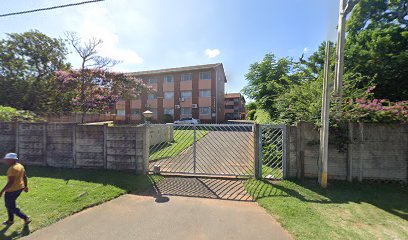
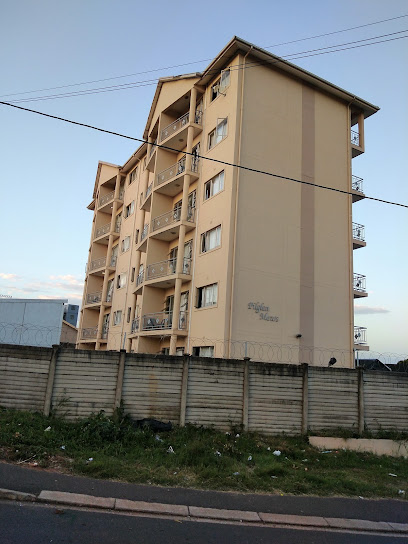
pilglen mws is a Residential college establishment in Durban, KwaZulu-Natal, South Africa
Durban
KwaZulu-Natal
4004
South Africa

Sorry, no records were found. Please adjust your search criteria and try again.
Sorry, unable to load the Maps API.
Residential College Services in Durban, KwaZulu-Natal
Residential college services in Durban, KwaZulu-Natal, comprise a structured offering designed to support students and other residents who require on-site accommodation paired with access to study facilities, meals, and communal amenities. This category typically serves university students, international students, and young professionals seeking a stable living environment close to educational campuses, business districts, or coastal amenities.
Accommodation and living arrangements vary across Durban’s residential colleges. Most establishments provide furnished rooms or suites with shared or private bathrooms, study desks, and adequate storage. A common arrangement involves short- to medium-term leases aligned with the academic calendar, though some colleges offer year-round occupancy. Residents often share amenities such as lounges, quiet study areas, laundry facilities, and secure access systems. In Durban, where climate and urban living patterns influence daily routines, many residences emphasise practical conveniences like reliable hot water, efficient heating or cooling options, and good natural light in living spaces.
Meal and catering provisions form a core component of residential college services. Some properties operate full-board arrangements with daily meals prepared on-site, while others provide self-catering kitchens or a mix of both options. The emphasis tends to be on balanced, affordable meals that support student schedules, with considerations for dietary requirements and cultural preferences. Where on-site dining is not offered, proximity to campus eateries and local markets is often highlighted as a practical compatibility feature.
Safety and security feature prominently in Durban’s residential settings. Properties commonly employ controlled access, on-site security personnel, well-lit grounds, and secure parking for residents with permits. Emergency procedures, fire safety measures, and clear evacuation routes are typically outlined to residents upon arrival. Cleanliness and maintenance programmes are standard, ensuring that communal areas, kitchens, and bathrooms are regularly cleaned and inspected. Staffed reception or mentoring services may assist with housekeeping requests, move-in help, and general guidance around campus life.
Facilities across Durban’s residential colleges typically include study rooms or quiet work zones, computer laboratories or Wi-Fi-enabled common areas, laundry facilities, and recreational spaces. Outdoor spaces, such as gardens or courtyards, are sometimes available to provide a respite from study and city life. Adaptations for accessibility may include ramps, elevators, and accessible bathrooms to accommodate residents with mobility requirements. Where environmental sustainability is a priority, some residences implement energy-saving practices, recycling programmes, and efficient appliance usage guidelines.
Neighbourhood and location considerations play a significant role in decision-making. Durban’s residential colleges are often situated near university campuses, public transport routes, and essential services such as supermarkets, medical facilities, and libraries. Proximity to campus buildings reduces commute times and supports participation in on-site events, seminars, or study groups. The surrounding urban environment also means attention to safety, noise levels, and security arrangements during evening and weekend periods.
The application process and movement between terms generally involve standard steps, such as submitting a residency enquiry, providing proof of identity and enrolment, and agreeing to house rules and tenancy terms. Applicants can expect to be guided by the college’s administration regarding deposit requirements, payment schedules, and renewal timelines. Practical considerations include tenancy duration, guest policies, quiet hours, and the use of shared spaces. For prospective residents, the aim is to select a residential option that aligns with academic commitments, budget, and personal comfort, while benefiting from a supportive community environment that Durban’s residential college sector commonly offers.