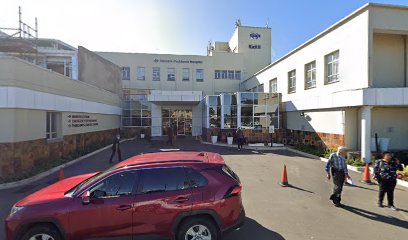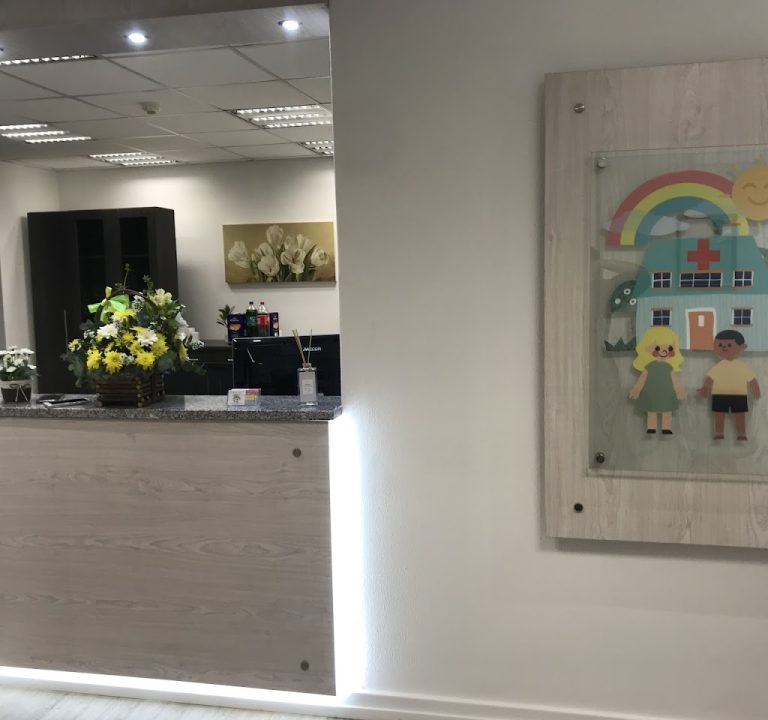
Pillay K K T/a Parklands Hospital Casualty Unit is a Hospital establishment in Durban, KwaZulu-Natal, South Africa
Durban
KwaZulu-Natal
4091
South Africa
Sorry, no records were found. Please adjust your search criteria and try again.
Sorry, unable to load the Maps API.
Hospital services in Durban, KwaZulu-Natal: a broad overview for patients and visitors
Hospital facilities in Durban, KwaZulu-Natal, offer a range of clinically focused services designed to address acute emergencies, essential care, and longer-term health needs. Across public and private sectors, hospitals typically provide general medical and surgical wards, dedicated maternity units, paediatric services, and specialised departments. Given Durban’s coastal location and urban size, facilities often operate with extensive support services to support referral pathways, diagnostic workups, and multidisciplinary care.
In Durban, a common hospital experience begins with triage and emergency assessment when presenting at accident and emergency departments. A prompt initial evaluation is followed by stabilisation, diagnostic testing, and a plan for inpatient admission or discharge. Emergency departments are equipped to manage trauma, cardiac events, stroke, respiratory conditions, acute infections, and other urgent health concerns. For non‑urgent needs, many residents utilise outpatient clinics and day services, which help reduce waiting times and preserve inpatient capacity for those in greater need.
Key service categories typically encountered include:
- General medicine and surgery: Admission for acute illnesses, postoperative care, and management of chronic conditions requiring hospital observation.
- Maternity and neonatal care: Antenatal, labour and delivery, postnatal support, and newborn care, with continuity of care through paediatric and lactation services.
- Paediatrics and neonatology: Inpatient wards and specialised units for children, including monitoring and treatment for common childhood illnesses.
- Critical care and high‑dependence units: Intensive care and intermediate care units for patients requiring close monitoring, advanced supportive therapies, and multidisciplinary oversight.
- Diagnostics and imaging: Radiology, ultrasound, CT and MRI where available, and laboratory services for blood tests, microbiology, pathology, and biochemical analyses.
- Rehabilitation and allied health: Physiotherapy, occupational therapy, speech and language therapy, social work, and dietary services to support recovery and discharge planning.
- Mental health and psycho-social services: Inpatient and outpatient options for acute psychiatric care, crisis intervention, counselling, and ongoing support.
What patients can expect includes a structured care pathway. Upon admission, a medical team typically coordinates assessment, diagnostic testing, and a treatment plan. Regular ward rounds, nursing care, medication administration, and clear communications about progress are standard expectations. Hospitals often provide visitor guidelines to balance patient recovery with social support, and discharge planning commonly involves instructions for home care, prescriptions, and follow‑up appointments.
Practical considerations for Durban hospital users include transportation and access, especially for urgent cases or rural travellers. Public hospitals may experience higher patient volumes and longer waiting times, while private facilities generally offer shorter waits but involve higher costs and may require medical aid or private insurance. Language is diverse in Durban, with isiZulu, English, and other languages frequently used in clinical settings; interpreters and multilingual staff may be available in some hospitals to assist with communication.
Facilities typically emphasise safety and hygiene, with vaccination and infection control protocols, visitor policies, and patient privacy practices in place. For those planning elective procedures or pregnancies, it is prudent to confirm required documentation, consent forms, and post‑discharge support arrangements in advance. While specific services can vary between institutions, the overarching framework in Durban revolves around timely assessment, coordinated care, and patient‑centred support to navigate the healthcare system effectively.