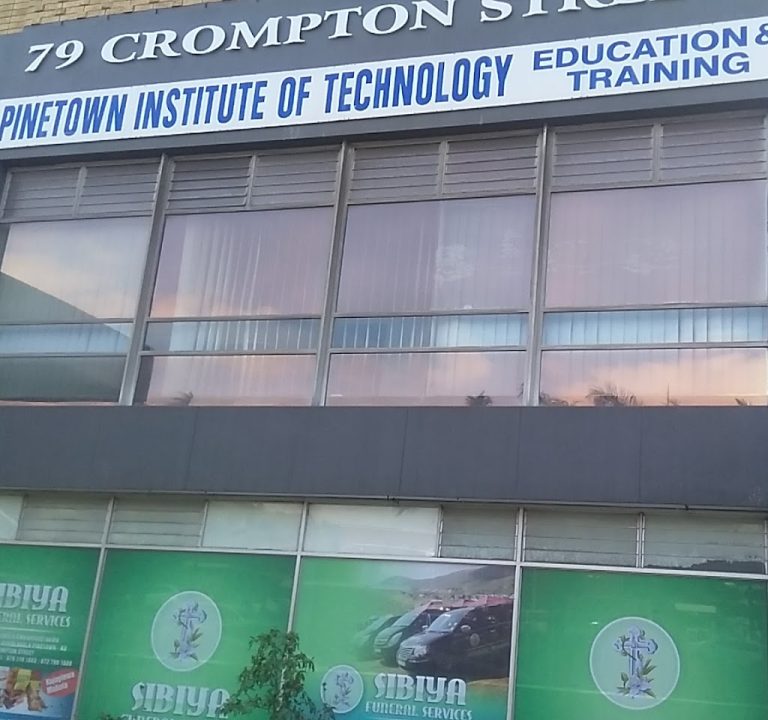
Pinetown Funeral Services is a Mortuary establishment in Durban, KwaZulu-Natal, South Africa
Durban
KwaZulu-Natal
3604
South Africa

Sorry, no records were found. Please adjust your search criteria and try again.
Sorry, unable to load the Maps API.
Mortuary Services in Durban, KwaZulu-Natal
In Durban, KwaZulu-Natal, mortuary services form a crucial part of the local event after a death, supporting families, healthcare providers and funeral directors through sensitive processes and practical logistics. The landscape typically encompasses a range of facilities and teams designed to manage the preparation, storage and transfer of remains in a respectful and compartmentalised manner.
Key elements of service provision include temporary storage facilities, preparation rooms, and coordinated conveyance. Temporary storage is commonly accessible to accommodate waiting periods between death and final arrangements. Preparation rooms provide spaces for routine steps that precede funeral services, such as basic cleansing and casketing, performed with careful attention to dignity and cultural or religious preferences. Transport arrangements may cover collection from hospitals, clinics or homes, followed by secure transit to a mortuary facility or directly to a funeral director’s venue.
Mortuary services in the region often operate in collaboration with funeral directors and cemeteries, ensuring continuity of care from initial notification through to the committal. This collaboration is typically managed through established protocols that govern documentation, chain of custody, and the respectful handling of personal belongings and biometric details. Families and healthcare professionals can expect clear guidance on the steps involved, including notification procedures, legal requirements, and the scheduling of viewings or memorial events where appropriate.
Staff within Durban mortuaries are generally trained to handle a range of situations with professionalism and sensitivity. This includes not only routine post-mortem preparation but also the care required for cases that involve specific cultural customs or religious rites. Where required, staff may facilitate contact with advisory services or spiritual leaders to ensure that rites and rituals can be observed in a dignified manner. The emphasis remains on minimising disruption and maintaining a respectful atmosphere throughout the process.
Practical considerations for those engaging mortuary services in Durban include accessibility and location, especially for families navigating the needs after bereavement. Facilities are often situated to provide convenient access near hospitals or major medical centres, with arrangements for secure storage and discreet handling. Availability of viewing rooms or private spaces may be rough guidelines of what families can expect, along with options for further preparation or dressings that align with personal wishes and cultural norms.
Legal and administrative aspects are a consistent feature of mortuary services. Documentation such as death certificates, medical reports and transfer authorisations typically accompanies the process. Mortuary staff or associated funeral directors can advise on the necessary paperwork and timelines, helping to ensure that all statutory requirements are met while reducing the burden on grieving relatives.
For those in Durban seeking this category of service, considerations include the standards of cleanliness, the maintenance of well‑informed records, and the transparency of any transfer arrangements. While no single platform or provider is universally applicable, a thoughtful approach emphasises clear communication, respect for personal preferences, and timely coordination with subsequent services such as cremation or burial.
- Assessment of transport and storage needs
- Coordination with hospitals, clinics and funeral services
- Respectful preparation and casketing practices
- Handling of personal belongings and documentation
- Support for cultural and religious rites
Overall, mortuary services in Durban aim to provide a steady, compassionate framework that supports families during a difficult period while ensuring professional standards and regulatory compliance. The emphasis remains on dignified care, practical logistics, and sensitive communication throughout the process.