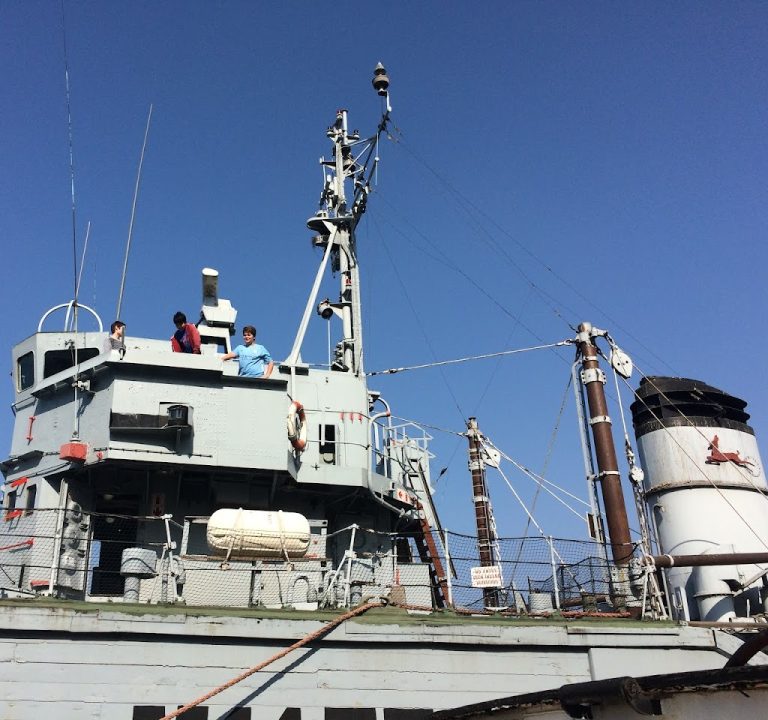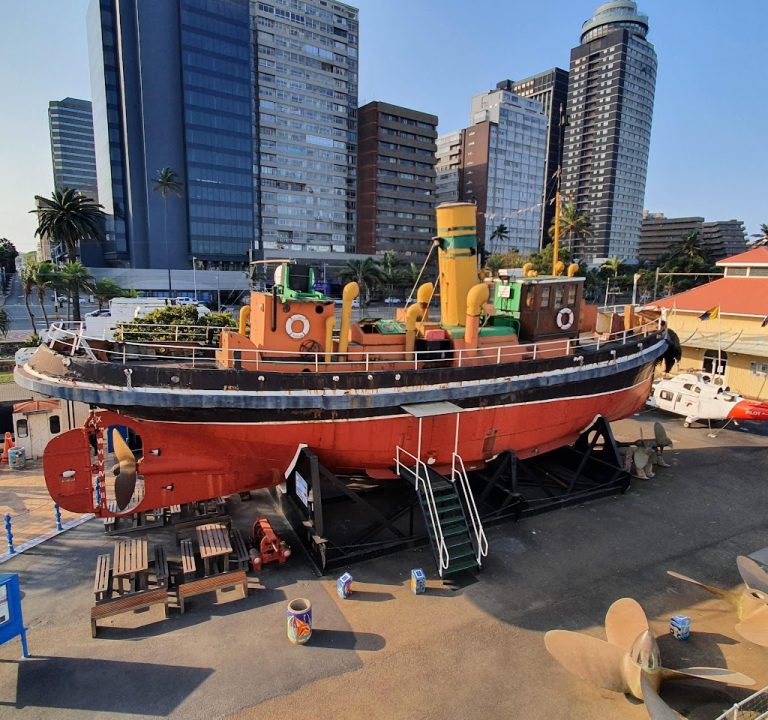
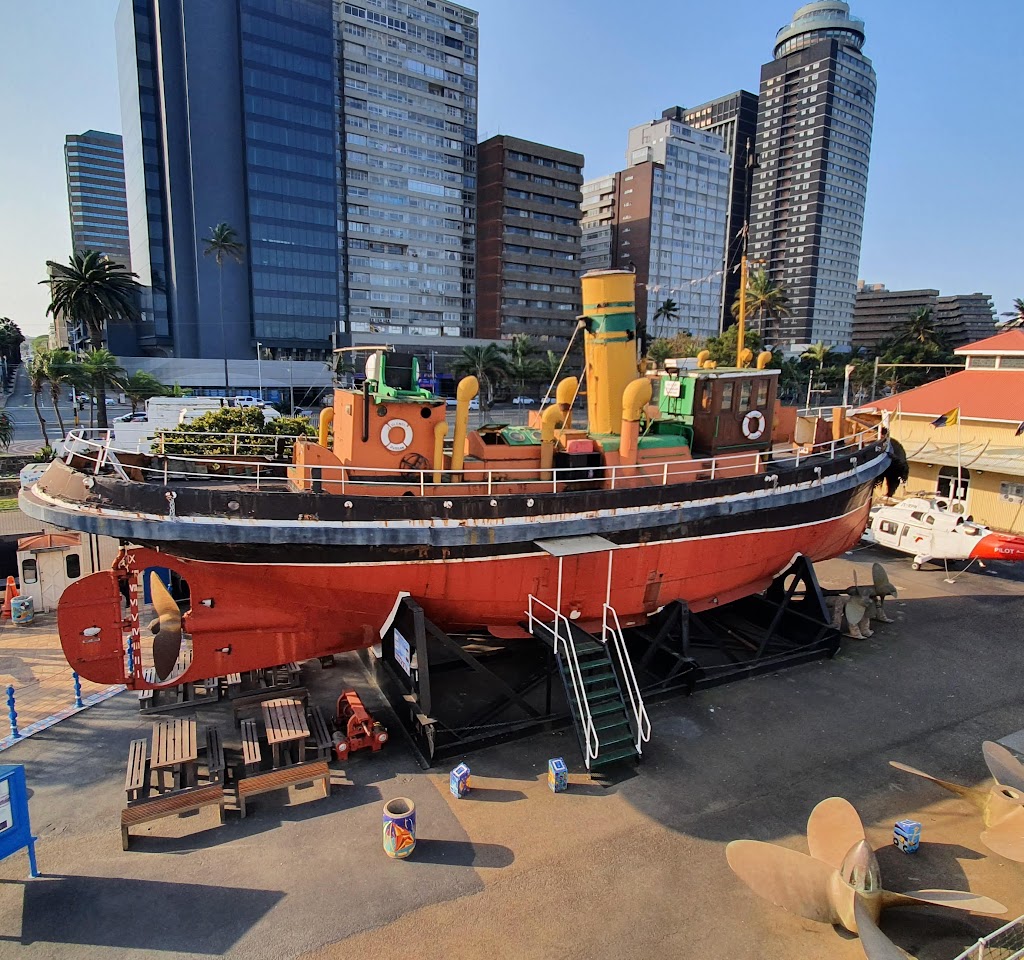
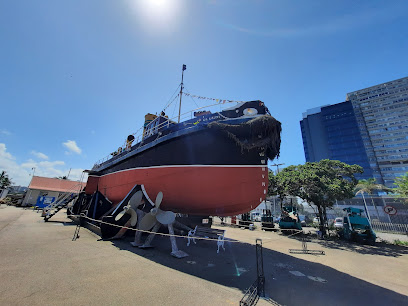
Port Natal Maritime Museum is a museums establishment in Durban, KwaZulu-Natal, South Africa
Durban
KwaZulu-Natal
4001
South Africa
Sorry, no records were found. Please adjust your search criteria and try again.
Sorry, unable to load the Maps API.
Museums Services in Durban, KwaZulu-Natal
Durban, located on the eastern coast of South Africa, offers a diverse range of museum experiences that cater to residents and visitors alike. The services provided by these institutions commonly centre on education, preservation and public engagement, with programmes designed to appeal to individuals, families, schools and organisations seeking cultural enrichment or historical insight. Visitors can expect well-curated displays that illuminate local heritage, maritime history, natural science and the arts, often set within venues that reflect the region’s architectural character and maritime legacy.
A typical portfolio of museum services includes guided and self-guided tours, which help guests navigate exhibitions at their own pace while an informed team of interpreters can bring artefacts and narratives to life. Temporary exhibitions frequently complement permanent collections, encouraging repeat visits and broader learning opportunities. In Durban, such offerings are often complemented by interactive elements, multimedia presentations and carefully written captions that provide context for both local and international audiences.
Educational programmes are a central feature, with school visits designed to align with curricula and literacy objectives. These programmes may include hands-on workshops, artefact handling sessions where permitted, and curriculum-linked resources for teachers to download or borrow. Public lectures, talks by guest speakers, film screenings and documentary screenings are commonly scheduled to deepen understanding of specific themes, periods or regional industries such as trade, maritime transport, or urban development.
Research and preservation services are another core component. Museums typically maintain archives and reference collections for scholars, historians and genealogists, offering access by appointment or through organised research days. Conservation activities focus on the care of artefacts, specimens and fragile objects, with climate control, security measures and professional handling practices designed to ensure longevity while enabling public access where appropriate.
Community engagement and accessibility are increasingly prioritised. Services may include bilingual or multilingual interpretation, accessibility programmes for visitors with mobility challenges, tactile exhibits where feasible, and information presented in large print or other accessible formats. Venues often feature shop spaces with carefully chosen merchandise that reflects the city’s heritage, along with cafés or refreshment areas that provide a comfortable environment for visitors to reflect on the experience.
For corporate and private events, many Durban museums offer venue hire or collaboration opportunities for functions, lectures, product launches or community gatherings. Event spaces are typically configured to accommodate audiences of varying sizes, with logistical support available for seating, audio-visual equipment and catering arrangements. Seasonal or themed exhibitions can be paired with curated programming to create a cohesive visitor experience around a particular topic or anniversary.
Practical considerations for museum-goers include travel and parking arrangements, especially in busy urban areas and near the foreshore. Public transport options and safe pedestrian routes are typically highlighted by venue staff, while on-site facilities such as cloakrooms, restrooms and baby-changing facilities contribute to a comfortable visit. Security measures are standard in many locations, with clear signage guiding visitors to entrances, exits and emergency procedures.
Overall, the range of services offered by Durban’s museums aims to educate, inspire and safeguard regional heritage. Whether exploring maritime artefacts, natural history or cultural storytelling, visitors can anticipate thoughtfully designed displays, engaging programmes and accessible spaces that encourage curiosity and lifelong learning.