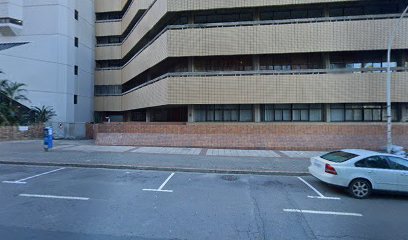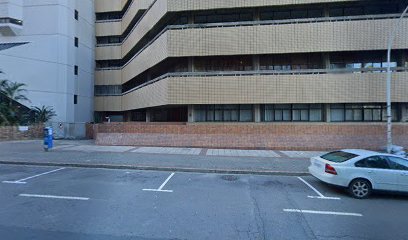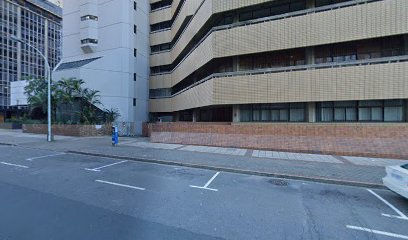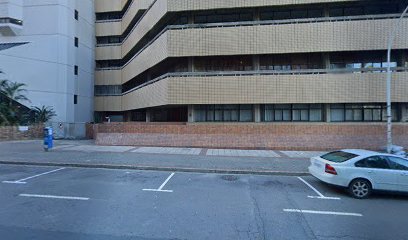
Ports Regulator of South Africa is a State government office establishment in Durban, KwaZulu-Natal, South Africa
Ports Regulator of South Africa – Durban, KwaZulu-Natal: an independent state body guiding port tariffs and regulatory processes
The Ports Regulator of South Africa operates as a national, independent statutory body focused on the economic regulation of port tariffs and related processes within South Africa’s port system. Located in Durban, KwaZulu-Natal, the regulator serves the broader maritime and logistics sector by monitoring and guiding tariff methodologies, tariff applications and accompanying stakeholder engagements across ports managed by the National Ports Authority and other relevant entities. Its work is framed by national policy objectives to promote fair, efficient and transparent pricing in the port arena.
Primary services and remit include the following core activities:
- <strongTariff Methodology and Tariff Oversight – The regulator conducts and publicises reviews of tariff methodologies, ensuring tariff setting remains consistent with policy objectives and economic regulation principles. This includes evaluating proposed tariff structures, pricing models and related submissions to maintain competitive and transparent charges for port users.
- <strongTariff Applications and Benchmarking – It assesses tariff applications from key port authorities, and publishes benchmarking analyses, such as comparative tariff studies against international ports. These activities provide a reference framework for stakeholders to understand pricing dynamics within the sector.
- <strongTribunal and Adjudicatory Roles – The regulator maintains an Appeals Register and engages in matters before the tribunal, including current matters and hearing notices. This provides a formal mechanism for dispute resolution and oversight of tariff-related complaints.
- <strongConsultation and Stakeholder Engagement – A structured process invites submissions and comments on tariff-related discussions and policy changes. Stakeholders are encouraged to participate in public consultation documents, roadshows and discussion papers to shape regulatory decisions.
- <strongDecision Records and Communications – The organisation publishes records of decision (ROD) and other official notices, which document conclusions from hearings, tariff reviews, and regulatory decisions. This transparency supports confidence in the regulatory framework.
Typical workstreams and industries involved relate primarily to port operations, maritime logistics, shipping, containerised cargo, bulk commodities and related port services. While the regulator itself does not provide customer-facing services in the manner of a commercial supplier, its activities affect port users, operators and service providers by clarifying pricing rules and the regulatory environment in which port-related transactions occur. The focus remains on ensuring tariffs are fair, predictable and aligned with national economic regulation goals.
How requests usually work, in broad terms, can be summarised as follows. Stakeholders submit tariff-related proposals or comments in response to official consultation documents or tariff methodology discussions. The regulator evaluates submissions, conducts or oversees public hearings where appropriate, and issues a Record of Decision or other regulatory notices. Ongoing monitoring and publication of tariff books and related materials help inform industry participants of current pricing frameworks and anticipated changes for tariff years ahead.
Practical tips for customers and stakeholders include:
- Keep track of official consultation cycles and published discussion documents to understand upcoming tariff reviews and methodology changes.
- Review published Tariff Books and benchmarking studies to gauge how tariffs compare with international peers and to anticipate potential shifts in pricing expectations.
- Follow notices of hearings and Tribunal proceedings to participate effectively in matters that may affect port charges.
- Consult the regulator’s published Records of Decision and updates to remain aligned with current regulatory outcomes and policy directions.
- When preparing submissions, clearly reference policy objectives, economic impact considerations and evidence supporting proposed tariff or methodology changes.
Hours and accessibility: specific business hours are not stated on the central site. The regulator’s notices and proceedings are published publicly, and information is typically accessible through the official website’s current matters, consultations, and documents sections. The organisation serves clients and stakeholders across South Africa, with Durban hosting activities as a regional hub for regulatory engagement and communication within KwaZulu-Natal, while its mandate spans the national port system.
In summary, the Ports Regulator of South Africa functions as the authoritative body governing port tariff regulation and related regulatory processes. Its activities emphasise transparency, stakeholder participation, and rigorous evaluation of tariff methodologies to support efficient port operations and economic regulation across the country.
Durban
KwaZulu-Natal
4001
South Africa
Sorry, no records were found. Please adjust your search criteria and try again.
Sorry, unable to load the Maps API.
State government office services in Durban, KwaZulu-Natal
In Durban, KwaZulu-Natal, state government office services are provided to support residents and businesses with essential administrative tasks. These offices typically operate across a network that includes municipal and provincial departments, offering a range of services aimed at lawful compliance, civil registration, and public welfare. Visitors should anticipate a structured process designed to verify identities, assess eligibility, and issue official documents or approvals that enable daily life and enterprise to function smoothly.
Common offerings include civil registrations such as birth and identity documentation, which may be administered in collaboration with national departments and provincial authorities. Services may also cover driver and vehicle administration, including licensing, registration, and related enquiries. While the exact channels vary by location and office, customers can generally expect guidance on how to complete applications, submit supporting documents, and track progress through reference numbers or appointment systems.
Numerous offices provide permits, licences, and authorisations that touch on health, safety, and regulatory compliance. For prospective or current business operators, this can include business licences, operating permits for specific activities, and regulatory approvals tied to local planning or public service delivery. Educational and social support programmes, housing assistance, and municipal service requests often fall within the remit of different state departments, each with its own intake procedures and eligibility criteria.
Durban’s state government offices also handle a spectrum of public services intended to support daily living. These may include access to social grants information, housing assistance, municipal account processing, and public works or infrastructure approvals tied to local development. While the precise service lines are defined by department, the overarching approach involves verifying applicant details, confirming entitlement, and delivering either physical documentation or official notification of the outcome.
When engaging with these offices, customers should be prepared for standard administrative practices. This typically involves presenting valid identification, proof of address, and, where relevant, supporting documentation such as birth certificates, proof of income, or business registration documents. It is common for offices to offer appointment slots or a queue-based system, and to provide guidance on the submission of applications, deadlines, and possible appeals or review steps if a request is not approved initially.
Practical considerations are important for a smooth experience. Offices may experience peak periods, particularly around school holidays, new financial years, or during public sector campaigns. Prospective visitors should consider bringing multiple copies of documents, as administrative processes frequently involve document scanning, stamping, and filing. Language assistance and accessibility provisions may be available, reflecting Durban’s diverse community. For individuals coordinating with regional or national authorities, understanding the typical processing timelines and required steps can reduce delays and help manage expectations.
Overall, state government office services in Durban are characterised by a focus on civic administration, civil documentation, regulatory compliance, and social or municipal support. The environment is generally formal and procedure-driven, with public staff trained to provide step-by-step assistance, clarify eligibility criteria, and inform applicants about expected outcomes. While services are standard across many urban centres, each office may operate slightly differently in terms of location, hours, and specific document requirements, underscoring the value of checking local notices or contacting the office ahead of a visit.
- Bring valid identification and any relevant supporting documents when attending an office.
- Check whether appointments are required or if walk-ins are accommodated.
- Note processing times and how to track the status of applications.
- Be aware of potential peak periods and plan accordingly.