Prestige Baby & Kidz Academy Umhlanga is a Preschool establishment in uMhlanga, KwaZulu-Natal, South Africa
Prestige Baby & Kidz Academy Umhlanga — Preschool, Umhlanga Ridge, KwaZulu-Natal
Prestige Baby & Kidz Academy Umhlanga operates as a multi‑layer early childhood centre designed to nurture young learners from infancy through preschool. The facility positions itself as a premium option within the Umhlanga area, emphasising well‑rounded development and a joyful approach to learning. It presents itself as a place “where kids want to be, not where they have to be,” aiming to cultivate positive attitudes towards education from an early age.
The academy offers a dedicated baby programme for children aged 3–24 months. This age‑appropriate care focuses on infant milestones and holistic needs, providing a structured environment that supports growth and proper care even in the absence of parents. The emphasis is on ensuring that the earliest formative years are guided by attentive supervision, developmentally appropriate activities, and a supportive routine. For families seeking reassurance that their youngest children are being cared for in a nurturing setting, the baby programme is positioned as part of a broader, premium early‑childhood offering.
For older children, Prestige Baby & Kidz Academy Umhlanga provides a comprehensive Kidz Academy for ages 24 months to 6 years. This programme combines diverse teaching styles to engage young learners through play, guided discovery, and age‑appropriate activities. A notable feature of the curriculum is the inclusion of the Reggio Emilia approach alongside The Letterhead Programme, signalling a commitment to progressive, child‑led exploration and literacy development. The school highlights the value of a varied pedagogical toolkit to cater for different learning preferences and to encourage active participation, curiosity, and critical thinking in early education.
Overall, the academy describes its offerings as part of a “first‑world premium standard” in early childhood development. The framing suggests an elevated level of facilities, resources, and teaching practices intended to surpass basic care and deliver a holistic, engaging educational experience. The learning framework is built around core activities—learning, exploring, and interacting—designed to keep children motivated and involved in hands‑on learning opportunities.
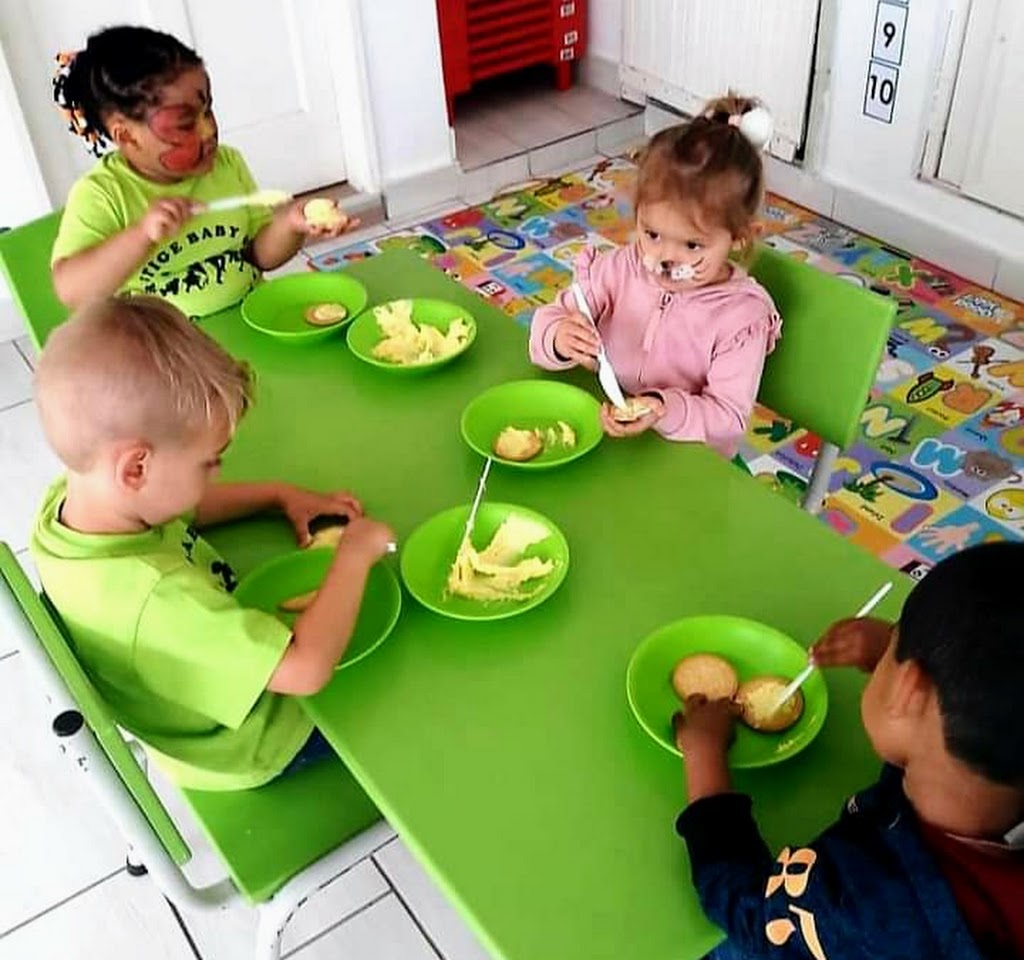
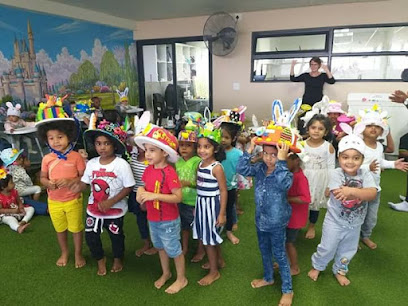
In terms of structure and campus culture, the Umhlanga branch is presented as a model of Prestige Baby & Kidz Academy’s approach, inviting visitors to discover what a day in the life of a pupil looks like. The programme pages emphasise practical engagement: children are encouraged to explore concepts through concrete activities, interact with peers and educators, and ask questions informed by their interests and surroundings. This aligns with the broader mission of developing “young thinkers” who appreciate that learning can be enjoyable and meaningful.
Requests for enrolment information or visits are guided through straightforward channels. The academy provides an easy route to initiate contact via a dedicated “Contact Us” page and a form to express interest, reflecting a customer experience that prioritises simplicity and responsiveness. The contact details for the Umhlanga branch include a local email address and a phone number, with a physical address listed as 31 Zenith Dr, Umhlanga Ridge, Umhlanga, 4319. The presence of a branch‑level page alongside a head office contact demonstrates a split‑channel approach to queries, visits, and enrolment processes.
Practical tips for prospective families include planning a campus visit or tour through the official contact channels, asking about the specific daily routine, and enquiring how the school implements the Reggio Emilia and Letterhead components in practice. It may also be helpful to inquire about class sizes, teacher‑to‑pupil ratios, and the availability of teacher assistants across branches to understand the level of individual attention provided at the Umhlanga site.
Location and area served are defined by the Umhlanga Ridge address, situating the centre within KwaZulu‑Natal’s northern coast corridor. The academy’s emphasis on a holistic, engaging youth education environment positions it as a destination for families seeking a premium preschool and daycare experience within the Umhlanga area.
- Main services offered: Baby Programme (3–24 months) and Kidz Academy (24 months–6 years), with a dual‑approach curriculum (Reggio Emilia and The Letterhead Programme) and diverse teaching styles.
- Typical workflows: initial enquiry via the website, follow‑up contact for enrolment or a tour, and discussion of programme fit and availability for the Umhlanga branch.
- Practical tips: request a tour, ask for details on daily routines, and enquire about class sizes and staff composition to understand the level of personalised attention.
Hours and exact scheduling are not specified on the public pages; prospective parents are advised to use the official contact routes to confirm availability, tour times, and enrolment deadlines. The Umhlanga geography is central to the centre’s identity within KwaZulu‑Natal’s early‑education landscape.
uMhlanga
KwaZulu-Natal
4319
South Africa
Sorry, no records were found. Please adjust your search criteria and try again.
Sorry, unable to load the Maps API.
Preschool Services in uMhlanga, KwaZulu-Natal
Preschool provision in uMhlanga, KwaZulu-Natal typically centres on early learning environments designed for children from around two to five years of age. These settings emphasise social, emotional and cognitive development through structured play, guided activities and a gentle progression towards independence. As a coastal suburb known for its family-oriented communities, uMhlanga preschools often integrate local cultural and natural surroundings into their programmes, while maintaining a focus on universal early education principles.
Curricula in this area generally balance child-led exploration with adult-led activities. Learning is frequently delivered through play-based experiences that promote language development, numeracy readiness, physical skills and early literacy. Children are encouraged to engage with painted shapes, story time, counting games, art projects, music and movement. Outdoor time is commonly recognised as essential, with safe play areas, sandpits and opportunities for supervised exploration of gardens or school grounds. The aim is to cultivate curiosity, collaboration and resilience in a nurturing environment.
Practical arrangements vary by facility, but several common features are typically observed. Morning sessions may start with a welcome routine and circle time, followed by a mix of indoor and outdoor activities. Many preschools offer half-day programmes, while others provide full-day options or aftercare, subject to parent needs and staffing. Meals and snacks are usually prepared to accommodate young children's dietary requirements, with attention paid to hydration and regular breaks. Communication with families is often frequent, through brief daily notes, notices, or informal conversations with teachers and administrators.
Safety and welfare are prominent considerations in uMhlanga preschools. Entrance security, clear supervision ratios, and appropriate indoor and outdoor safety measures are standard expectations. Classrooms tend to be organised to support early independence, with age-appropriate furniture, clear routines, and welcoming areas for rest or quiet activities. Hygiene practices, such as handwashing and sanitisation, are emphasised as part of daily routines. In addition, many settings cultivate inclusive practices to ensure children with diverse needs can participate meaningfully alongside their peers.
Families considering preschool in uMhlanga may weigh factors such as proximity to home or work, the reputation of the school within the local community, and the compatibility of the programme with the child’s temperament and developmental stage. Parents are often advised to visit several facilities to observe classroom dynamics, ongoing routines, and the responsiveness of staff to young learners. It may be helpful to inquire about daily schedules, the emphasis on play versus academic activities, and how transitions between activities are managed to minimise stress for children.
Transport arrangements vary, with some families relying on private drop-offs and pick-ups, while others arrange transportation through the school or a local service. It is prudent to check parking provisions and traffic arrangements near facilities in busy coastal areas, where early morning demand can be high. Regarding costs, preschool fees in and around uMhlanga are typically structured by session length, with possible additional charges for meals, aftercare or enrichment activities. While specific prices cannot be generalised, families are encouraged to discuss fee schedules and any available subsidies or fee relief options directly with the chosen preschool.
Well-chosen preschools in uMhlanga aim to partner with families to support a positive transition from home to organised learning. The focus is on creating an environment that is safe, stimulating and responsive to young children’s needs. Through secure routines, engaging activities and respectful, patient teaching approaches, preschoolers are positioned to develop confidence, friendship skills and early competencies that underpin later schooling.
- Play-based learning with opportunities for guided instruction
- Structured daily routines and predictable transitions
- Outdoor play, safety-conscious environments and hygiene practices
- Small group interaction to foster social and language development
- Family communication and involvement in the child’s progress