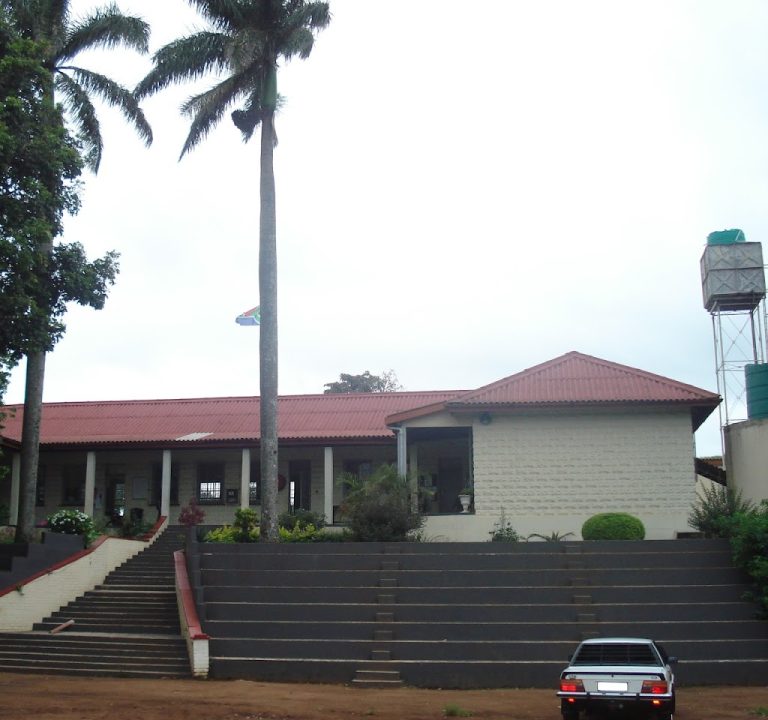
Qoqulwazi Secondary School is a High school establishment in oThongathi, KwaZulu-Natal, South Africa
oThongathi
KwaZulu-Natal
4380
South Africa


Sorry, no records were found. Please adjust your search criteria and try again.
Sorry, unable to load the Maps API.
Overview of High School Services in oThongathi, KwaZulu-Natal
In oThongathi, KwaZulu-Natal, high schools provide a broad range of educational services designed to support learners through secondary schooling and into post-school pathways. Institutions in this area typically balance academic offerings with an emphasis on personal development, practical skills, and community engagement. The services are generally organised to accommodate diverse learning needs, promote access to education, and prepare pupils for the National Senior Certificate examinations and future career opportunities.
Core academic programmes usually cover the compulsory subjects required for matriculation, alongside elective subjects that reflect local interests and capacity. Learners commonly study core subjects such as language (English and/oder a home language), mathematics or mathematics literacy, the sciences, social sciences, and life orientation. Depending on the school, specialised tracks may be available, including science, commerce, and humanities streams. Regular assessment, feedback, and progress tracking form part of the standard practice, with examinations at customary intervals to gauge understanding and readiness for final matriculation exams.
Beyond academics, high schools in oThongathi typically offer a suite of support services and enrichment activities. These can include career guidance, counselling, and programmes aimed at developing study skills, time management, and resilience. Extra-curricular offerings often feature sport, cultural clubs, and leadership development opportunities, which contribute to well-rounded personal growth and can enhance university or workplace applications.
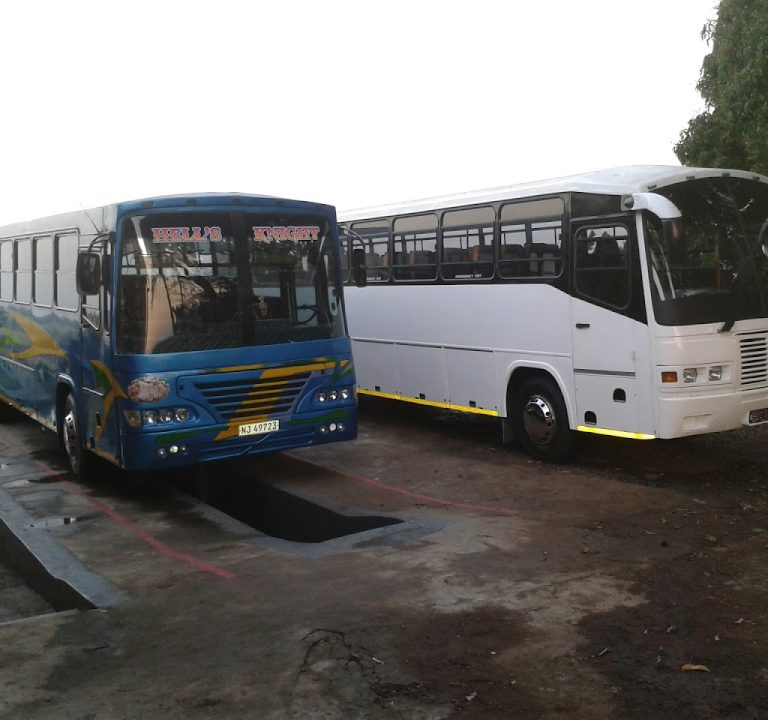
Practical considerations for families and learners include school transport arrangements, daily timetables, and the balance between compulsory and voluntary activities. Transport options may involve school buses, public transport routes, or organised lifting schemes, with schedules designed to fit school hours and after-school commitments. Uniform policies, term dates, and school hours are common aspects of daily life within oThongathi high schools, with expectations around discipline, attendance, and conduct articulated in school handbooks and Codes of Conduct.
Funding and affordability are important considerations in this region. Some high schools receive support from government programmes or subsidies intended to assist learners from diverse backgrounds. Families should assess potential additional costs related to stationery, textbooks, uniforms, and examination fees, as well as any opportunities for financial aid or uniform schemes offered by the schools or local community organisations. While individual schools may differ in their resource levels, the overarching aim remains to provide inclusive access to education and opportunities for success across varied circumstances.
Specialist facilities and programmes occasionally found in oThongathi schools can include laboratories for science subjects, computer and information technology resources, and spaces for arts or performance activities. When available, these facilities support inquiry-based learning, practical demonstrations, and collaborative projects. Partnerships with local organisations, community groups, and higher education institutions may enhance learning through guest lectures, mentoring, or work-shadowing experiences, although the extent of these collaborations varies by school.
In terms of progression, high schools generally guide learners through the matriculation process, with preparation for the National Senior Certificate examinations. This involves formal assessments, practical components where relevant, and guidance on subject choices that align with future goals. At the same time, attention to life skills, digital literacy, and critical thinking is increasingly integrated to equip learners for a range of post-school paths, including further study, apprenticeships, or entry into the workforce.
- Academic programmes across core subjects and elective streams
- Advice and support services such as counselling and study skills coaching
- Extra-curricular activities including sport, arts, and student leadership
- Practical considerations: transport, timetables, uniforms, and attendance policies
- Paths to matriculation and post-school progression, with potential access to guidance on higher education and careers