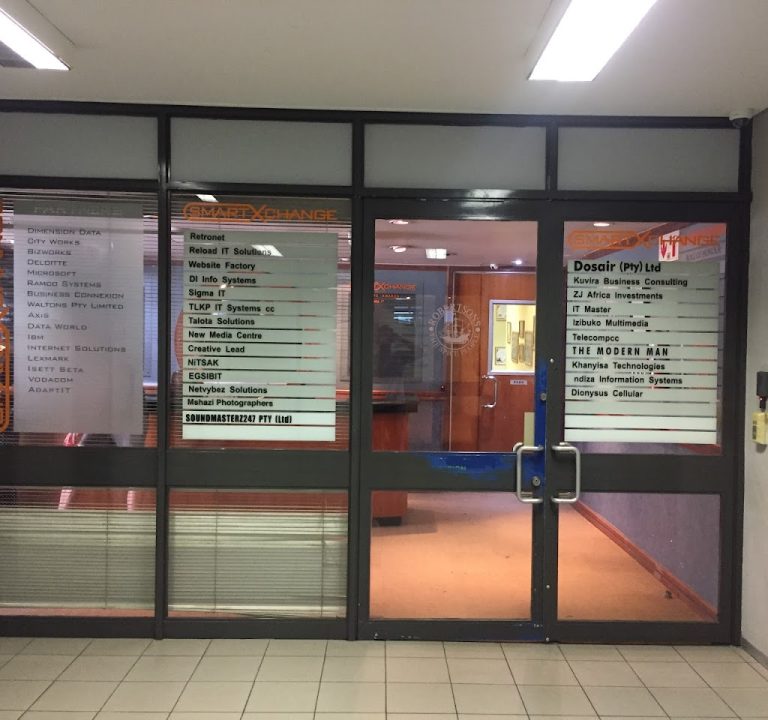
Ramco Systems, South Africa is a Software company establishment in Durban, KwaZulu-Natal, South Africa
Ramco Systems in Durban, KwaZulu-Natal: an international software house delivering integrated enterprise solutions
Ramco Systems presents itself as a comprehensive enterprise software provider offering a broad portfolio designed to connect and automate diverse business operations. While it positions itself as a global player with a network of offices, the Durban listing reflects its alignment with industries that demand scalable, digital-first platforms. The core value proposition emphasises end-to-end visibility across operations, powered by a modular, cloud-native architecture and AI-enabled capabilities.
At the heart of Ramco’s offering is a substantial ERP suite complemented by specialised modules. The Global Payroll platform is described as AI and ML–driven, supporting payroll operations across more than 150 countries. This capability is paired with Time & Attendance solutions to streamline workforce management, while Finance & Accounting modules provide a consolidated view of financial performance. Asset Management is included to track physical resources, and Transport Management alongside Warehouse Management address end-to-end logistics for distribution and 3PL contexts. Together, these components are marketed as a unified ecosystem intended to enable data-driven decision-making and operational transparency across departments.
The company highlights industry-oriented solutions, notably in Aviation software, which includes MRO (maintenance, repair and overhaul) functionality and defence compliance tools, and Logistics software tailored for third-party logistics providers and express parcel operations. The portfolio also features offerings in Facility Management and Staffing, underscoring Ramco’s aim to support the operational needs of service-oriented and asset-intensive organisations. This breadth suggests a strategy of “ERP for every business,” with the flexibility to adapt modules to varying operational requirements rather than a one-size-fits-all approach.
In terms of customer experience, Ramco emphasises a modern, cloud-first approach underpinned by a composable architecture. The API-first design is presented as a facilitator for agile deployment and seamless integration with existing systems, while a sustained emphasis on DevSecOps signals a focus on security embedded throughout the software lifecycle. The customer journey is envisioned as iterative and scalable, allowing organisations to incrementally adopt modules and expand capabilities in step with growth and changing business needs.
The company’s visible commitment to innovation is reinforced by references to AI-driven intelligence and next-gen user experiences.Ramco’s technology narrative includes elements such as chatbots, conversational interfaces, and AI-enabled processes intended to automate routine workflows, deliver faster insights, and reduce manual effort. The vendor’s public material also points to a continuous improvement mindset, with attention to auditability, real-time data, and scalable engineering practices designed to support large deployments across multiple countries and industries.
Typical engagement with Ramco’s solutions is framed around a structured request-to-implementation cycle. Prospective users would map their core processes to the relevant modules, assess integration requirements with existing ERP or payroll systems, and plan for a phased rollout that aligns with business priorities. The cloud-native architecture is positioned to support rapid deployment, while the modular design allows for prioritising critical functions such as payroll, time management, or logistics execution before expanding into broader ERP coverage.
Practical tips for customers considering Ramco systems in Durban or KwaZulu-Natal include:
- Clarify regional requirements: Confirm currency, taxation rules, and local regulatory reporting needs to identify which modules require localisation or additional configuration.
- Assess integration points: Determine how Ramco modules will connect with current systems (CRM, procurement, or legacy finance software) to ensure a smooth data flow and minimal disruption during rollout.
- Plan a staged implementation: Start with high-impact areas such as payroll and time attendance or core ERP finance functions, then scale to asset management, logistics, and industry-specific modules.
- Leverage analytics from Day One: utilise available dashboards and reporting features to gain early visibility into workforce costs, project profitability, or supply chain throughput.
- Engage in change management: prepare users with training on new workflows and digital tools to maximise user adoption and return on investment.
- Consider regional support needs: verify local support arrangements and language preferences to ensure responsive assistance during critical periods.
Ramco’s stated global footprint underlines the scale of its operations, with hundreds of customers across dozens of countries and a presence in multiple global offices. While the Durban listing reflects local interest, the platform is designed to serve diverse sectors through a unified, adaptable enterprise software environment that aims to drive operational excellence, transparency, and growth through digital transformation.
Durban
KwaZulu-Natal
Durban Central, Durban
South Africa
Sorry, no records were found. Please adjust your search criteria and try again.
Sorry, unable to load the Maps API.
Software company services in Durban, KwaZulu-Natal
Durban, a coastal city in KwaZulu-Natal, hosts a growing cadre of software companies that serve local, regional, and national clients. These firms typically offer an array of services designed to help organisations build, deploy and optimise software solutions that align with strategic goals. From small start-ups to larger enterprises, clients often seek reliable partnerships capable of delivering on software development, integration and ongoing support.
A common focus across Durban-based software teams is custom software development. This involves analysing business needs, designing architectures, writing code and delivering scalable applications. Teams frequently collaborate across disciplines to ensure the final product supports core processes, enhances user experiences and integrates smoothly with existing systems. The scope can include web applications, mobile-enabled software and enterprise-level solutions that support growth and resilience.
Web and mobile applications represent another core service area. Durban firms commonly develop responsive web interfaces and mobile apps tailored to industry requirements, whether for customer engagement, field operations or internal productivity. The emphasis is typically on usability, performance, security and maintainability, with an eye to ensuring compatibility across devices and browsers. Clients may also receive guidance on exiting legacy systems or migrating to modern architectures when appropriate.
Systems integration and data workflows form a practical priority for organisations looking to connect disparate tools. Software companies in the region frequently assist with orchestrating data flows between enterprise resource planning (ERP) systems, customer relationship management (CRM) platforms and other line-of-business applications. The goal is to reduce manual data handling, improve accuracy and enable more timely decision-making through streamlined processes.
Quality assurance and testing are integral components of software delivery. Durban teams commonly implement structured testing strategies to verify functionality, identify defects and validate performance under real-world conditions. This helps to minimise risk during rollouts and supports smoother user adoption. Maintenance and support services are also standard, offering ongoing monitoring, issue resolution, updates and minor enhancements to keep software effective over time.
Consultancy and project management are frequently provided to guide organisations through technology choices and delivery roadmaps. Clients can expect independent assessments of requirements, feasibility, and prioritisation of initiatives. Project management tends to emphasise clear milestones, governance, risk management and transparent communication to keep projects on track.
Practical considerations in Durban include working with local regulations and data protection expectations such as POPIA, which influence how software projects handle data security and privacy. Businesses often consider cost-to-value factors, including development timelines, staffing models and the potential for regional collaboration with nearby centres of technical excellence. Time zones and travel feasibility play a practical role when engaging with teams that may require on-site meetings or hybrid work arrangements.
Engagement models commonly involve collaborative discovery phases, followed by iterative development cycles. Clients typically see phased deliveries, with demonstrations at key points to validate requirements and adjust priorities as needed. Emphasis is placed on documentation, clear scope definitions, and acceptance criteria to minimise scope creep and align delivery with business outcomes.
Overall, Durban’s software companies tend to prioritise adaptability, industry relevance and practical solutions that address everyday business challenges. By combining technical capability with regional insight, they aim to deliver dependable software, thoughtful maintenance arrangements and a clear pathway from concept to operational success.