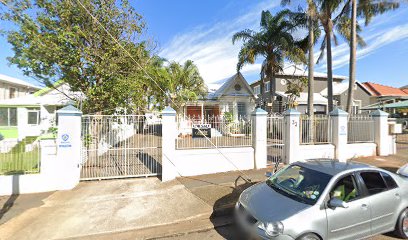
Rankin Computer Services CC is a Software company establishment in Berea, Kwa-Zulu Natal, South Africa
Editorial summary: Rankin Computer Services CC (InfoSight) – software development in Berea, Kwa-Zulu Natal
Rankin Computer Services CC operates in the software development sector from the Berea area of Durban, Kwa-Zulu Natal, under the trading name InfoSight. The organisation presents itself as a specialist software development company, emphasising the delivery of technology solutions that support business processes and information management. The company’s visible branding and structure highlight a focus on bespoke software tools and systems designed to streamline digital journeys for clients.
From the information available, the primary offering is software development services that are positioned to support business operations and information management needs. The company’s own site points to specialised software products and platforms, indicating a capability in designing and implementing customised software solutions rather than off-the-shelf products alone. The emphasis appears to be on building dependable software systems that align with client requirements and business workflows.
One notable characteristic of Rankin Computer Services (InfoSight) is its association with a broader ecosystem of digital tools and partner projects. The information highlights a link to an “Infosight” online journey planner, which suggests a capability in developing or hosting web-based planning and navigation tools. Another listed product, “MobileTMSR” described as a client reporting system, implies a focus on mobile-enabled or cloud-based reporting solutions that help clients monitor performance, usage, or operational metrics. Together, these offerings point to a portfolio that spans application development, web-based planning tools, and mobile or remote reporting capabilities.
In terms of the client experience, the available materials present a professional, location-based service footprint. The contact details locate the business at 21 Claribel Road, Windermere, Berea, Durban, with standard business communication channels such as telephone, fax, and email. The presence of partner sites and collaboration with associated brands in the digital space signals a networked approach to delivering software projects. For clients, this can translate into a one-stop channel for software development while leveraging nearby partners for supplementary capabilities such as web development and multimedia production, as evidenced by linked partner sites in the information suite.
Project engagement typically follows a structured path that is common to bespoke software initiatives. While exact procedures are not detailed in publicly available material, the combination of a software development focus, online journey planning tools, and mobile reporting systems suggests a workflow that may include requirement gathering, system design, development sprints or milestones, and deployment across web or mobile environments. The presence of client-facing reporting systems also hints at an emphasis on clear deliverables and measurable outcomes, with potential post-implementation support or updates tied to system usage analytics.
Typical job types and sectors, while not exhaustively listed, align with common categories for software development companies in the region. Businesses seeking customised software to manage operations, customer journeys, or reporting workflows would likely find value in the InfoSight portfolio. The reference to an online journey planner points to applications that support route optimisation, scheduling, or customer-facing planning activities, while the MobileTMSR platform indicates capabilities in client reporting and performance tracking. While specific industries are not stated, these competencies are applicable across professional services, logistics, retail, and small to medium-sized enterprises that require tailored software solutions and accessible reporting tools.
Visitors to the Berea site can expect a professional local presence with direct contact options and a networked approach to technology projects. Practical tips for potential clients include preparing a concise brief that outlines business objectives, data requirements, and preferred delivery timelines. It is helpful to consider whether the project will leverage web-based tools, mobile access, or integrated reporting, so discussions can quickly align on feasibility and scope. When planning a visit or a call, it is sensible to confirm the most convenient way to initiate a project, whether through email correspondence or a direct phone conversation, given the apparent emphasis on straightforward client communication channels.
Operational notes from the site do not publicly list specific business hours, best visiting times, or detailed service-level commitments. Likewise, there is no explicit information about warranties, certifications, or formal awards. Given these gaps, clients are advised to engage in a direct enquiry to understand delivery timelines, support arrangements, and post-implementation assistance. The company's locality in the Windermere area of Durban situates it within Kwa-Zulu Natal’s business district footprint, making it accessible for regional clients seeking personalised software development services alongside potential collaborations with nearby partner studios in web development and multimedia production.
Berea
Kwa-Zulu Natal
4001
South Africa
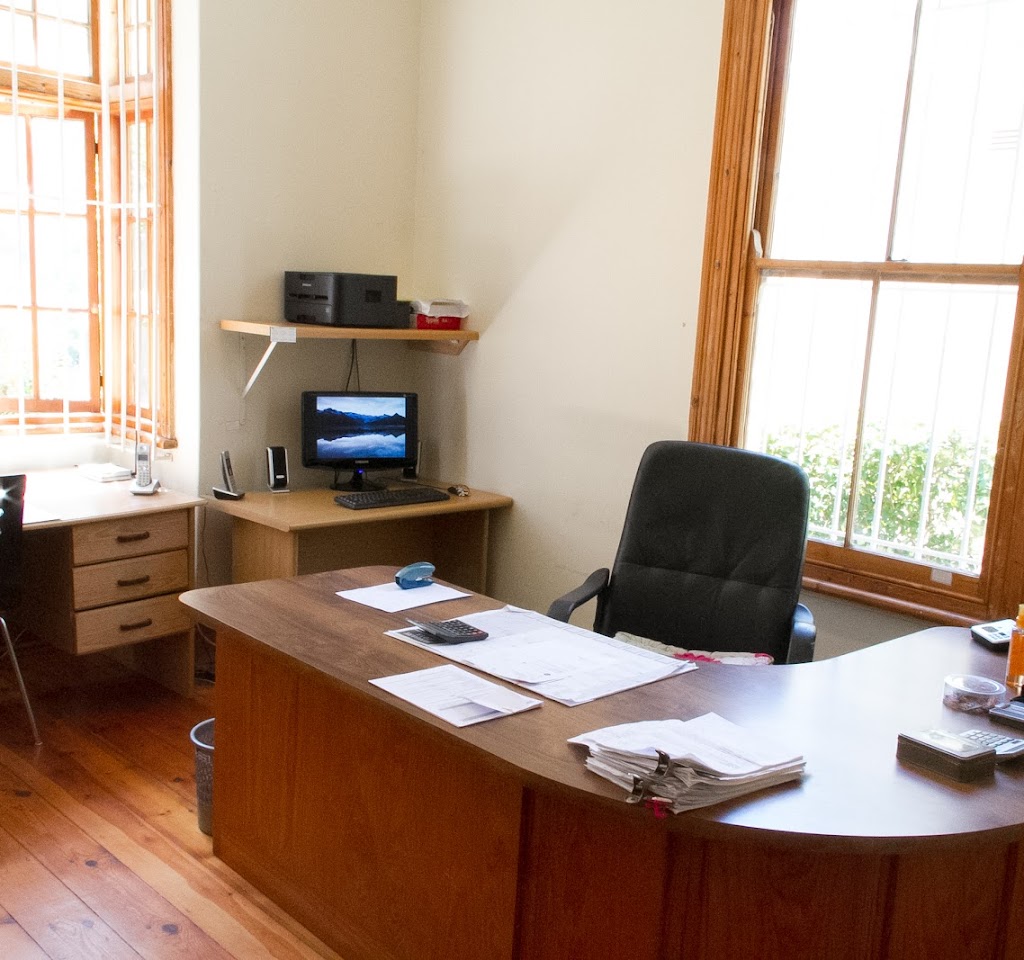
Sorry, no records were found. Please adjust your search criteria and try again.
Sorry, unable to load the Maps API.
Software services in Berea, Kwa-Zulu Natal
In Berea, Kwa-Zulu Natal, software companies provide a broad spectrum of services designed to help local businesses optimise operations, reach customers more effectively, and safeguard information systems. These firms commonly serve a mix of small enterprises, mid-sized organisations, and occasional larger corporates seeking regional know-how alongside technical capability. The emphasis is on delivering practical, scalable solutions that address everyday business needs while aligning with local regulations and market conditions.
Core service areas typically include custom software development, web and mobile applications, cloud and systems integration, and IT consultancy. Custom software development focuses on tailoring systems to fit unique workflows, data structures, and reporting requirements. Web applications underpin online presence and customer interaction, while mobile apps support field teams, sales forces, and service delivery. Cloud services frequently cover hosting, data backup, and scalable infrastructure to support growing user bases and fluctuating demand. System integration efforts connect disparate tools—such as accounting, customer relationship management, and inventory systems—into a coherent technology stack that reduces manual processes and increases visibility.
Quality assurance and ongoing support form a critical part of the offering. Testing disciplines aim to identify defects early, validate functionality against user needs, and ensure compatibility across devices and browsers. Post-launch support often includes monitoring, technical assistance, and routine maintenance to keep software current with evolving requirements and security best practices. Cybersecurity considerations—ranging from secure coding practices to vulnerability assessments and incident response planning—are increasingly standard, reflecting a broader awareness of risk management in the South African context.
Consultancy and advisory services help organisations determine the most appropriate technology direction. This often involves requirements gathering, feasibility assessment, and technology roadmapping. Data management and analytics are common areas of focus, enabling clients to derive actionable insights from stored information. In Berea, where businesses may operate across multiple sectors, solutions are frequently designed to integrate with industry-standard processes such as invoicing, inventory control, and customer engagement, while staying adaptable to sector-specific regulatory or reporting needs.
Projects are typically structured around clear milestones and deliverables, with an emphasis on practical outcomes rather than theoretical benefits. The work often begins with a discovery or scoping phase, where objectives, constraints, and success metrics are defined. This is followed by design and architecture planning, developing the software in iterative cycles, and conducting user acceptance testing before deployment. Once in operation, clients usually receive training materials and access to support channels to ensure a smooth transition and continued usability. Where appropriate, local service providers may offer on-site visits alongside remote collaboration, leveraging regional familiarity with business practices and language considerations.
Customers can expect several practical considerations when engaging a software company in Berea. The cost model is generally transparent, with options for fixed-price projects or time-and-materials arrangements, depending on project scope and predictability. Turnaround times are influenced by project complexity, available resources, and the need for integration with existing systems. Data governance and privacy compliance, including adherence to data protection standards, are important considerations for organisations handling customer information. Businesses should also consider business continuity and disaster recovery planning as part of larger technology decisions. Local firms often emphasise relationship-building and durable partnerships, aiming to provide reliable support as projects scale or evolve in response to market changes.
Overall, software services in Berea, Kwa-Zulu Natal, combine regional knowledge with technical expertise to deliver practical, well-supported solutions. The approach centres on understanding real business needs, delivering tangible functionality, and maintaining systems that can grow alongside the organisations they serve.