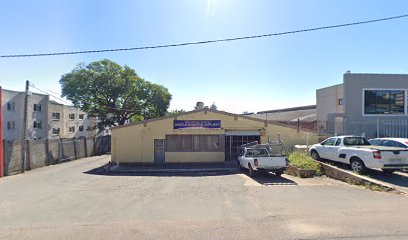
Red Alert Service Solutions is a Security service establishment in Durban, KwaZulu-Natal, South Africa
Red Alert Service Solutions – Security Services in Durban, KwaZulu-Natal
Red Alert Service Solutions presents itself as a versatile provider of security services within a broader portfolio that includes cleaning, hygiene, emergency medical services and office automation. The organisation emphasises agility and adaptability in its offerings, describing its approach as “Agile Cleaning, Hygiene & Security That Adapts With You.” While the company positions itself as a nationwide player with branches across South Africa, its security services are framed for modern organisations seeking dependable protection and peace of mind.
The security division is highlighted as part of a professional, flexible service solution set designed to keep operations secure and running smoothly. The emphasis is on delivering reliable security management that suits dynamic workplaces, with an understanding that environments constantly evolve. The company’s public material underlines a holistic view of security that integrates people, processes and technology, aiming to safeguard sites while enabling business continuity.
Customer experiences reflected in public reviews describe varied but positive responses to Red Alert’s security capabilities. Client feedback frequently highlights professionalism, courteous staff, and clear communication throughout engagement and installation processes. The testimonials also point to proactive, responsive service and ongoing support after initial deployment, which aligns with the broader positioning of the firm as a companion in long-term security strategy rather than a one-off vendor.
In addition to core security offerings, Red Alert promotes complementary services that can enhance site protection and safety. Notably, the organisation references community-oriented initiatives such as camera networks designed to assist in monitoring high-traffic or hotspot intersections. While the bulk of independent reviews reference regions outside Durban, the company presents itself as a national entity with local reach, capable of scaled security solutions for diverse communities and commercial premises.
Operationally, Red Alert directs potential clients to its “Find a Branch Near You” feature, indicating a custodian model that supports local contact and site visits. The materials also invite clients to initiate a security assessment, suggesting a consultative approach that begins with an evaluation of specific risks, site conditions and operational needs. This aligns with a structured workflow commonly used in security provision: initial scoping, risk assessment, proposal of a tailored security plan, installation or deployment, and ongoing monitoring or support.
The company’s corporate information communicates breadth and capacity: founded in 1981, with a sizeable workforce and branches across the country, alongside a Level 1 B-BBEE contribution. While the available content does not detail individual certifications or awards, the scale and stated commitment to a broad service suite imply an established operation with the capability to handle multiple security engagements—from routine site patrols to more integrated security systems and emergency response support.
Typical job types implied by the security offering would include site protection for commercial offices, retail premises, industrial facilities, and potentially events or residential estates, given the emphasis on flexible solutions and fast responsiveness. The service model appears compatible with both short-term deployments (ad-hoc events or peak periods) and longer-term security partnerships, backed by the option of a formal security assessment to map out requirements and priorities.
Practical tips for customers planning to engage Red Alert’s security services:
- Start with a security assessment to identify vulnerabilities, asset protection needs and appropriate staffing or technological solutions.
- Ask for a structured plan that outlines deployment methods, response times, escalation procedures and reporting formats.
- Discuss integration with existing technologies, such as access control, surveillance systems and incident management platforms.
- Clarify branch availability for on-site visits, local support, and after-hours assistance to ensure continuous coverage.
- Request references or case studies relevant to industry and site type to gauge fit and performance.
- Confirm communication channels and regular review points to adapt the security plan as operations evolve.
Business hours and exact local service availability are not explicitly stated, but the presence of a national branch network and online contact options suggests flexibility in scheduling and response. Potential clients in Durban and KwaZulu-Natal can locate nearby branches through the “Find a Branch Near You” feature and initiate engagement by requesting a security assessment, which is presented as the first step in forming a tailored security strategy.
Durban
KwaZulu-Natal
Pinetown, Durban
South Africa


Sorry, no records were found. Please adjust your search criteria and try again.
Sorry, unable to load the Maps API.
Security services in Durban, KwaZulu-Natal
Durban, a coastal city in KwaZulu-Natal, relies on a range of security services to protect businesses, residential areas, and public spaces. The landscape typically includes a combination of physical guarding, alarm systems, monitoring solutions, and incident response designed to address local risks such as property crime, armed theft, and crowd management during events. The availability of services often reflects the diverse urban and semi-urban environments across the region, from busy commercial districts to residential suburbs and industrial zones.
Security service offerings commonly encompass several core components. Static guarding provides a visible presence at entrances, perimeter points, and high‑value sites, with guards trained to observe, deter, and report suspicious activity. Mobile response teams offer rapid patrols and on‑site intervention when alarms are triggered or incidents occur, ensuring timely action and coordination with local authorities. Alarm systems, including intruder detection and perimeter sensors, form the first layer of protection, typically linked to monitoring centres that can initiate a response depending on the situation and protocol.
CCTV installation and monitoring are another central element. Modern systems may include remote viewing, motion analytics, and night‑time surveillance to support investigators and deter crime. Alongside technology, risk assessments are frequently conducted to identify vulnerabilities in a site’s layout, access points, and procedures. This enables customised security plans that align with the specific needs of a business or residential complex, taking into account factors such as operating hours, layout, and the level of risk exposure.
Access control is a further area of focus, helping to regulate who can enter premises and when. This can involve physical measures like gates and turnstiles, as well as electronic systems, visitor management protocols, and escort requirements for contractors or unauthorised personnel. In addition, security providers may offer incident management services, including investigation support, evidence gathering, and cooperation with police or other authorities when criminal activity occurs.
What customers can expect in Durban includes proximity to service providers with local knowledge of crime patterns and traffic conditions. This often translates into flexible scheduling options, clear response times, and hands‑on maintenance support for devices and systems. It is common for security teams to prioritise thorough communication and documentation, providing incident logs, daily activity reports, and recommendations for enhancing safety measures. Clients should anticipate tie‑ins with health and safety practices, such as conducting site inductions, emergency evacuation planning, and safeguarding information along with physical security measures.
Operational considerations in Durban may involve weather‑related factors, given the coastal climate and seasonal variations. Security plans frequently address accessibility during peak travel times, public holidays, and major events that can attract larger crowds or heightened risk. Clients are advised to consider integration with local law enforcement and emergency services, as well as the availability of contingency arrangements for power outages or network interruptions that could affect monitoring systems or alarm responses.
A practical approach to selecting a security service involves assessing a provider’s capability to tailor solutions to the site, response protocols, and the ability to scale services as needs evolve. While the specific tools and platforms utilised can vary, the emphasis remains on reliable presence, rapid response, proactive monitoring, and clear communication to protect assets and people across Durban’s varied environments.