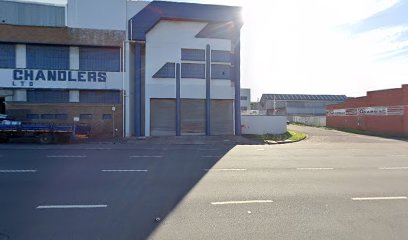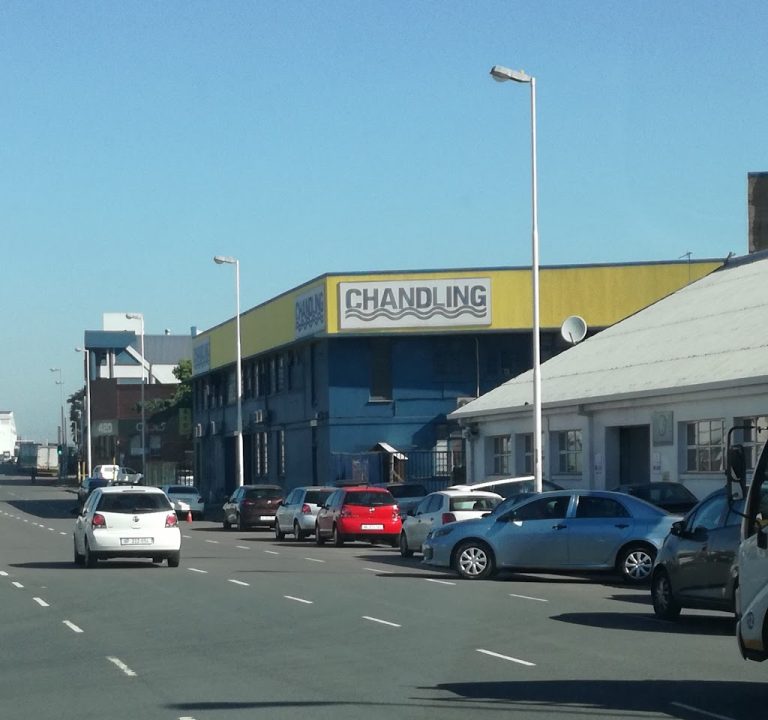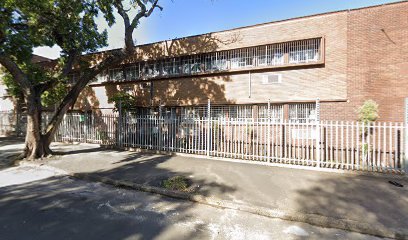
Renshaw Private Accomodation is a Hostel establishment in Durban, KwaZulu-Natal, South Africa
Durban
KwaZulu-Natal
4013
South Africa
Sorry, no records were found. Please adjust your search criteria and try again.
Sorry, unable to load the Maps API.
Hostel Services in Durban, KwaZulu-Natal: What to Expect
Durban, a coastal city in KwaZulu-Natal, offers a diverse range of hostel accommodations designed to suit travellers seeking affordable, sociable, and well-located options. Hostels in this region traditionally provide simple, clean sleeping quarters alongside communal areas that encourage interaction among guests. The emphasis tends to be on practical hospitality that supports budget travel, group stays, and short or extended pauses in the city.
Typical hostel offerings include dormitory-style rooms with bunk beds and shared bathrooms, complemented by private rooms for travellers seeking more privacy. Shared kitchens are common, equipped for basic meal preparation, and common lounges or courtyards often feature comfortable seating, tables for socialising, and sometimes outdoor spaces for sunlit relaxation. The aim is to create a friendly, low-cost base from which visitors can explore Durban’s beaches, markets, historical sites, and cultural events.
Reception services usually handle check-in and check-out processes, with information available on local attractions, public transport, and safety tips. Many hostels in Durban arrange or assist with guided tours, beach activities, and day trips to nearby sights such as the Valley of a Thousand Hills or the KwaZulu-Natal coastline. While some hostels may offer additional conveniences, the core expectation is straightforward: clean, secure accommodation in a central or easily accessible area at an affordable rate.
Durban’s climate and location influence practical considerations for stay. The warm subtropical weather supports outdoor social spaces, but guests should be prepared for occasional rain in the summer months. Security is a common focus, with on-site staff or security measures for dormitory blocks, lockers for personal belongings, and well-lit entrances. Common-sense safety practices, such as not leaving valuables unattended in communal areas and using secure storage, are typically advised by hostel staff.
Facilities in Durban hostels often reflect the city’s vibrant, multicultural character. Communal kitchens frequently provide ovens or hot plates, microwaves, kettles, and cookware suitable for preparing simple meals. Free or low-cost Wi-Fi is commonly available in public areas, enabling travellers to stay connected while on the move. Laundry facilities, either self-service or with an on-site washer and dryer, are a practical feature for longer stays or backpackers transiently making the rounds of the region.
Guests will encounter a mix of travellers, from backpackers exploring Durban’s golden beaches to students and professionals seeking short-term accommodation. Social spaces are typically central to the hostel experience, offering opportunities for交流, game nights, or shared meals. Distinctive aspects may include dedicated areas for relaxing after a day of sightseeing, as well as information boards detailing local events, markets, and restaurant recommendations.
Important practical considerations for Durban hostels include evaluating proximity to transport links such as major bus routes, international or domestic airports, and the city’s harbourfront. A reasonable walk or short ride to beaches, promenade venues, and popular neighbourhoods can significantly enhance convenience. When selecting a hostel, attention is often given to cleanliness standards, bed quality, ventilation in dormitories, and the availability of lockers or secure storage for personal items. Accessibility features and suitability for travellers with carers or mobility needs may vary by property.
Readers planning a stay in Durban can expect straightforward, cost-conscious accommodation designed to support mobility and exploration. The hostel experience typically centres on convenient, sociable lodging with practical amenities, enabling visitors to make the most of KwaZulu-Natal’s coastal city while staying within a modest budget.
- Location considerations: proximity to beaches, transit links, and city sights.
- Room types: dormitories and private rooms with shared or en-suite facilities.
- Facilities: communal kitchens, lounges, laundry, and Wi-Fi access.
- Security and health: secure storage, on-site staff, and cleanliness standards.