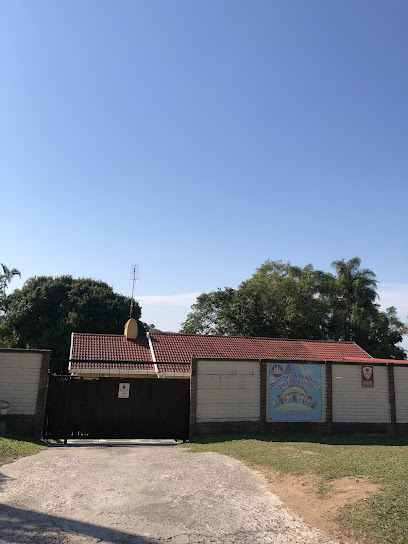
Royal Sons & Daughters Daycare & Aftercare is a Preschool establishment in Durban, KwaZulu-Natal, South Africa
Durban
KwaZulu-Natal
3610
South Africa
Sorry, no records were found. Please adjust your search criteria and try again.
Sorry, unable to load the Maps API.
Preschool Services in Durban, KwaZulu-Natal
Durban, situated along the KwaZulu-Natal coast, hosts a variety of preschool options designed to support early childhood development in the city and its surrounding communities. These facilities tend to emphasise a balanced approach to social, emotional and cognitive growth, with programmes structured to accommodate children from approximately three to five years of age, and in some cases younger learners in transitional settings.
Typical services are designed around a daily routine that provides familiar structure while allowing for creative exploration. A standard day often begins with a welcome period or circle time, during which children settle, engage in basic routines, and participate in group activities. The curriculum generally combines play-based learning with focused activities aimed at developing pre-writing and numeracy skills, language and communication, fine motor control, and problem-solving abilities. Outdoor play is commonly integrated to support physical development and gross motor skills, taking advantage of Durban’s milder climate for regular outdoor experiences whenever feasible.
Foundational areas commonly prioritised in Durban preschools include:
- Language development and early literacy, with storytelling, songs and guided reading activities.
- Mathematical concepts through practical experiences, counting, shapes and simple measurement.
- Creative expression via arts and crafts, drawing, playdough, and music.
- Social skills, etiquette, sharing and collaboration through group activities and circle time.
- Self-care routines such as personal hygiene, dressing, and food handling.
- Health awareness, nutrition, and safe food practices within a supervised setting.
Parents and guardians can expect a nurturing environment that prioritises safety and well-being. Premises usually feature age-appropriate classrooms, secure access, and play areas designed to support risk-aware play. Staff members commonly hold qualifications related to early childhood development, with ongoing training in safeguarding, first aid, and inclusive education practices. While specific accreditation schemes vary, many Durban preschools strive to adhere to national and local guidelines that promote child welfare and developmental progress.
Enrollment processes, timings, and fee structures are diverse. Prospective families are advised to consider factors such as session length (half-day versus full-day), dairy or meal provisions, transportation arrangements, and flexibility to accommodate work schedules. Communication between the preschool and families tends to be regular, with updates on children’s progress, daily activities, and any areas requiring parent involvement. Some centres offer parent-teacher meetings or progress summaries at key milestones, while others provide informal updates through daily notes or newsletters.
Practical considerations include the climate and geographical setting of Durban. Creche and preschool environments may be influenced by subtropical weather, with facilities designed to shelter children from sun and rain while enabling outdoor play when conditions permit. Proximity to home or work, access to safe routes, and the availability of convenient drop-off and pick-up options commonly shape parental choices. Dietary requirements, allergies and medical needs are typically discussed during onboarding to ensure appropriate care plans are in place.
Overall, preschool services in Durban aim to establish a supportive foundation for early learning within a community context. Children gain exposure to structured activities that foster curiosity, social interaction, and emerging academic readiness, while caregivers receive reassurance through standard safety practices and clear communications about their child’s development and well-being.