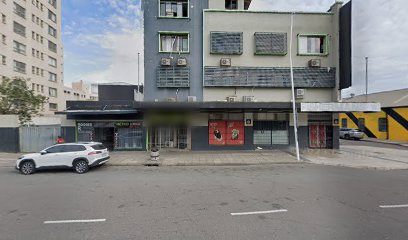
Safari / Spider Surfboards South Africa is a Surf shop establishment in Durban, KwaZulu-Natal, South Africa
Safari Surf / Spider Surfboards South Africa – Durban Surf Shop and Manufacturer Summary
Safari Surf, established in 1963, positions itself as Africa’s largest and longest-running surfboard manufacturer. Based in Durban, KwaZulu-Natal, the business operates from 6 Milne Street, South Beach, and is presented as a full-service destination for both local Durban surfers and international customers seeking specialist boards. The shop and workshop sit at the intersection of traditional craft and modern manufacturing, reflecting a heritage that has grown alongside the sport for decades.
From its Durban premises, Safari Surf emphasises a comprehensive manufacturing and finishing capability. The core offering is surfboard design and production, supported by a dedicated team of shapers, including notable figures such as Spider Murphy and Zanie Cawood. The company highlights a track record of shaping and building a wide range of models, from retro-inspired designs to high-performance shortboards, longboards and funboards. This breadth is showcased in the product range, which includes models like the Missile Pro, 70s Fish, Mini Mal, Flying Saucer, and various other retro and contemporary shapes. The presence of both “Retro & Performance” surfboard design branding signals an emphasis on versatility to suit different terrains and surfing styles.
Key services emphasised on Safari Surf’s platform include:
- Surfboard manufacturing and design, including custom shaping and production for distribution and private orders.
- Vacuum infused glassing, marketed as an advanced process intended to enhance performance and durability of surfboards. This service is positioned as a modern upgrade to conventional glassing techniques.
- Surfboard accessories and related products, including a range of fins and island-style accessories, alongside Carver skateboards as part of broader marine and board culture offerings.
- Shaping and design heritage, with a nod to the long-standing involvement of prominent shapers and the ability to produce both new boards and redesigned models that pay homage to Safari’s historical lines.
The Durban store is framed not only as a retail point but also as a hub for advice and personal service regarding custom orders. The website advertises the capacity to arrange custom boards, inviting customers to engage with the team to discuss specifications, materials, and design preferences. For customers seeking a sense of the company’s legacy, the content highlights decades of activity and the continuing collaboration with celebrated shapers, underscoring a strong tradition of craft alongside manufacturing scale.
Safari Surf also promotes a global reach, marking itself as Africa’s largest surfboard producer with a history of exporting boards to customers worldwide. The business assertions imply a capability to balance in-store service with international shipments, appealing to both local enthusiasts and international collectors or riders who value Africa’s longstanding boardmaking heritage.
Customer-facing information on the site emphasises accessibility to the Durban location and contact options. The Durban address is publicly listed, accompanied by telephone numbers and an email address for direct communication about boards and orders. The site also features a catalogue of popular models and a storefront experience that highlights ongoing product releases and classic designs through dedicated product pages and model stories.
Readers can expect a shopping experience centred on in-person visits to the Durban store for one-to-one counsel, particularly for custom orders. The shop and workshop environment is presented as a place where surfers can observe shaping and glassing processes, alongside the opportunity to select from a curated range of board models and accessories before finalising a purchase or order.
Practical tips for customers include planning ahead for custom builds due to the bespoke nature of shaping and finishing. Visitors to the Durban store should note the location in South Beach and consider the shop’s schedule and traffic patterns in the busy coastal area. While exact hours are not specified in the source content, proximity to the city’s surf community suggests aligning visits with daylight hours to best enjoy the showroom and neighbouring surf beaches.
In terms of area served, Safari Surf explicitly references Durban and South Africa, with a broader footprint indicated by export activity that reaches customers worldwide. The combination of a storied local workshop, a strong regional identity, and a credible export capability positions Safari Surf as a key player for surfers seeking authentic Durban-and-African surfboard craft, backed by decades of shaping experience.
Durban
KwaZulu-Natal
4001
South Africa

Sorry, no records were found. Please adjust your search criteria and try again.
Sorry, unable to load the Maps API.
Surf shop services in Durban, KwaZulu-Natal: what customers can expect
In Durban, surf shops commonly operate as practical hubs for enthusiasts seeking gear, guidance, and services that support safe and enjoyable time on the water. Shops typically stock a range of boards, including shortboards, longboards, and soft tops, suited to varied skill levels and local sea conditions. A well‑stocked store also carries wetsuits for those cooler winter months, booties, rash guards, and a selection of wax, leashes, fins, and other essential accessories. The emphasis is on durability and suitability for Durban’s subtropical climate and the sometimes variable South African surf environment.
One of the core services is advice and fitting assistance. Knowledgeable staff are generally able to help with selecting the right board size and type for a customer’s experience, weight, and height, as well as recommending protective gear and surf-specific casual apparel. The aim is to ensure comfort in the water and to minimise the risk of injury, particularly for beginners or those returning after a break. Shops often highlight local surf spots, prevailing tides, and general safety considerations, helping visitors plan a session that aligns with the day’s conditions.
Rentals are a common offering, giving visitors and locals alike the opportunity to try different boards before committing to a purchase. Rental ranges typically include shortboards and soft boards, with varying durations from a few hours to multi-day arrangements. Wetsuits may be available to cover the colder months when air and water temperatures differ more noticeably. Rental terms usually include basic safety guidelines and a deposit or identification requirement, ensuring equipment is returned in good condition.
Repairs and maintenance form another important service stream. Small repairs, routine wax removal, and ding repairs can extend the life of boards and ensure performance is preserved. Some shops partner with skilled local ding repairers or in‑house technicians who specialise in polyurethane and epoxy boards, fins, and soft‑top repairs. Prompt assessment and realistic timelines help surfers plan trips around maintenance needs.
Surf schools and lessons are commonly connected to Durban’s surf shops, offering entry‑level lessons for beginners as well as coaching for improving surfers. Lesson formats vary from group sessions near popular beaches to guided experiences for families or visitors from out of town. Even where structured lessons are not offered directly, staff frequently provide pointers on technique, wave timing, and etiquette to help new surfers get started safely.
Practical considerations for customers include the location of the shop relative to coastal access points, parking availability, and whether the premises offer change rooms or secure storage. Durban’s climate means that shade and hydration are practical considerations in the shopping experience, especially during peak heat hours. Many venues briefly emphasise local safety rules, such as flag warnings and lifeguard advisories, to help customers choose appropriate days for water activities.
Seasonal variations influence service emphasis. Summer months often focus on new board purchases and casual rentals for travellers and holidaymakers, while the cooler season may prioritise wetsuits and maintenance services. Regardless of season, Durban’s surf shops generally aim to provide clear information, practical gear options, and reliable access to the essentials needed for a positive and responsible surfing experience.