SAINT GILES NPO FOR THE DISABLED is a Disability services and support organization establishment in Durban, KwaZulu-Natal, South Africa
Saint Giles NPO for the Disabled — Durban, KwaZulu-Natal: Services, Experience, and Community Impact
Saint Giles is a Durban-based non-profit organisation dedicated to empowering people with disabilities through a wide range of practical services, employment opportunities, and educational support. Since its establishment in 1952, the organisation has grown into a multifaceted centre of care and capability, aiming to foster independence, dignity, and inclusion for the disabled community in the Durban Metropolitan area.
Located at the corner of Bell and Prince Streets in Durban (since 1962), Saint Giles operates as a registered Non-Profit Company and a Public Benefit Organisation, underpinned by Level 1 B-BBEE status. The organisation emphasises transparent governance and ongoing community involvement, supported by a donor base that funds core activities and equipment needs. For visitors and supporters, the site presents a clear overview of how services translate into real-life opportunity for disabled individuals.
The main services offered by Saint Giles span four core strands: workforce opportunities, rehabilitative and therapeutic care, practical daily aids, and educational support. The Work Centre provides meaningful, ongoing employment to disabled individuals in a supportive environment. Staff at the Work Centre undertake tasks such as packaging, light manufacturing, and other production-related roles for recognised clients, including long-standing partnerships with notable organisations. This employment model not only supplies income but also builds skills, self-esteem, and a sense of professional belonging.
The Remedial Therapy Centre delivers therapeutic care to those transitioning from initial rehabilitation or seeking ongoing support to improve mobility, reduce pain, and enhance overall well-being. A team of qualified therapists collaborates with clients to tailor treatment plans, emphasising personalised care and steady progress toward improved independence.
Practical assistance comes through the Appliance Hire programme, which offers affordable short- and long-term access to mobility aids such as wheelchairs, walkers, crutches, and commodes. This service addresses immediate daily living needs and supports mobility in the home and community, reducing barriers to participation in everyday activities.
Educational support is provided via the Saint Giles Educational Trust bursary scheme, designed to enable access to secondary and tertiary education for disabled individuals who face financial barriers. By supporting continued learning, the bursary scheme aims to open doors to employment opportunities and further skill development within the community.
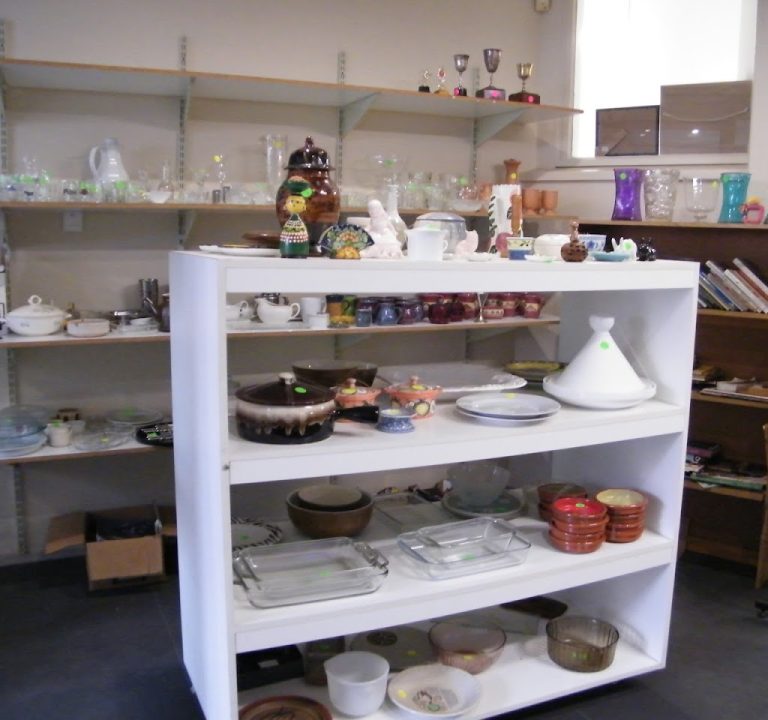
Additional avenues for support include the Charity Shop, which accepts donated goods and offers affordable items while generating revenue to sustain Saint Giles’ programmes. Bequests and bequest programmes are also highlighted as a means of securing future funding for essential services, ensuring a legacy of support for generations to come.
Prospective service users and supporters can expect a clear process for engagement. Queries and service requests typically flow through the organisation’s contact channels, directing individuals to the appropriate centre within Saint Giles. Open days are a notable feature, with bi-monthly visits to the South Beach premises giving attendees the chance to tour facilities, observe services in action, meet the team, and gain a tangible sense of how donations are deployed in empowering lives. These sessions provide a practical glimpse into day-to-day operations and outcomes for the disabled community.
Typical job types within the Work Centre cover a spectrum of light manufacturing and packing activities, reflecting enduring client relationships and the organisation’s capability to handle varied tasks. The centre proudly highlights long-standing collaborations with major brands and public bodies, showcasing its ability to maintain consistent production standards while employing a diverse workforce. The combination of work, therapy, and assistive equipment forms a holistic model that supports independence and social inclusion beyond the workplace.
Location-wise, Saint Giles serves the Durban area and surrounding communities, emphasising local impact and accessible support for residents facing disability-related challenges. The organisation’s biographical pages stress its rich history and ongoing commitment to inclusion, dignity, and practical assistance in everyday life.
Practical tips for potential service users and supporters include exploring the Remedial Therapy Centre for tailored mobility and pain-management plans, enquiring about the Appliance Hire options for short- or long-term equipment needs, and considering involvement with the Educational Trust bursary for funding higher education ambitions. For those who can contribute in kind or financially, the Charity Shop and bequest routes offer straightforward avenues to support the broader mission. Visitors planning a visit should check for open day dates and arrange introductions with staff to understand the full scope of services and how best to engage with the organisation.
In summary, Saint Giles NPO for the Disabled presents a cohesive ecosystem of employment, therapy, daily living support, and education aimed at transforming lives within Durban’s disability sector. By combining practical services with community engagement, the organisation seeks to create sustainable pathways to independence and inclusive participation in local life.
Durban
KwaZulu-Natal
4001
South Africa

Sorry, no records were found. Please adjust your search criteria and try again.
Sorry, unable to load the Maps API.
Disability services and support organisations in Durban, KwaZulu-Natal
Disability services and support organisations in Durban offer a broad range of practical and community-based assistance aimed at improving access, participation and independence for people with disabilities. In the KwaZulu-Natal region, these organisations often operate within urban centres such as Durban and surrounding townships, while also reaching into more rural communities. The emphasis is on person-centred approaches that recognise diverse needs, including physical, sensory, cognitive and developmental disabilities.
Typically, an individual engaging with a Durban-based disability organisation can expect a structured pathway of support. Initial contact usually involves information and referral, where staff or volunteers help identify relevant programmes and outline next steps. Assessments may be offered to determine eligibility for services, identify barriers to daily living, and establish goals. These assessments are generally conducted with sensitivity to cultural and linguistic differences that may influence communication and understanding.
A core element of most programmes is advocacy and rights awareness. Organisations frequently provide guidance on safeguarding, inclusive education, workplace accommodations and accessible public services. This support helps clients navigate systems such as healthcare, education, housing and social welfare, ensuring their rights are understood and exercised effectively.
Practical supports commonly seen in Durban include the provision or loan of assistive devices, such as mobility aids, communication tools and basic home modifications. Services may also cover repairs, maintenance and training on how to use equipment safely. Early intervention and developmental support are typically available for children, while programmes for adults may focus on independent living skills, daily routines, budgeting and personal care.
Education and training constitute a significant part of discretionary services. Organisations often offer or coordinate life skills workshops, specialised tutoring, assistive technology training and awareness programmes for schools and workplaces. Inclusive education initiatives may involve liaison with schools to promote accessible learning environments and reasonable accommodations.
Employment and social participation support are priorities for many Durban programmes. This can include job readiness coaching, interview preparation, supported employment placements and enterprise development programmes for individuals with disabilities. Outreach services may extend to transport assistance, programme sessions held in community hubs, and collaborative projects with local businesses to create more inclusive opportunities.
Respite care and carer support are important facets for families and carers in the region. Organisations may organise short breaks, advising on respite services and providing caregiver education and peer support networks. This helps sustain family well-being and reduces the risk of burnout.
Practical considerations for engaging with disability services in Durban include acknowledging funding landscape and service access. Many programmes rely on a mix of government funding, charitable grants, donor support and partnerships with healthcare providers and educational institutions. Applicants may need to provide basic documentation to determine eligibility, and some services operate on referral or appointment-based models. Availability can vary by area and capacity, so waiting times or regional differences are common factors to consider.
Community accessibility is another practical concern. Organisations in Durban often strive to deliver services in wheelchair-accessible venues and to provide information in multiple languages relevant to urban and rural communities. For those experiencing transport challenges, outreach or satellite sites may help, thoughcapacity and travel distances can influence how frequently services can be accessed.
In summary, disability services and support organisations in Durban, KwaZulu-Natal, deliver a comprehensive spectrum of coordinated supports designed to enhance independence, participation and quality of life. By combining assessments, advocacy, assistive devices, education, employment support, respite care and community outreach, these organisations aim to create inclusive pathways that respect individual goals and dignity.