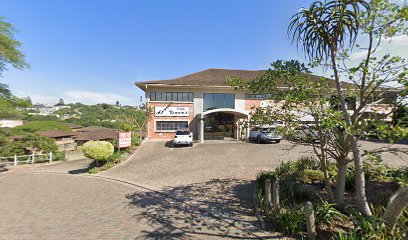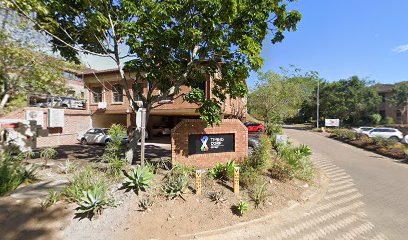
Sakala Group is a Software company establishment in Westville, KwaZulu-Natal, South Africa
Sakala Group: Structured Software and Systemic Solutions for Sustainable Growth
Observed from an external perspective, Sakala Group presents itself as a diversified business group that emphasises structured, disciplined, and measurable approaches to growth. The organisation positions itself around a central philosophy—built on data-driven execution, consistent standards, and transparent operations—to connect multiple business units into a cohesive ecosystem. This fundamental outlook is described as the Sakala Framework, a set of standardised procedures and management norms intended to ensure predictable performance across all units.
At the heart of its offering is a framework designed to bring synchronised growth to varied business activities. The narrative focuses on precision in execution, where strategic steps are grounded in data and systemised processes rather than chance. A centralised management approach is highlighted, with an emphasis on maintaining consistent quality across all lines of business. The underlying aim is not merely rapid expansion, but sustainable growth built on robust fundamentals and long-term reliability. The emphasis on integrity and trust is repeatedly echoed, suggesting that transparency and honest collaboration are integral to stakeholder relationships.
The Sakala ecosystem comprises several units that operate under shared standards of governance and performance. One visible strand is Sakala Consulting, which positions itself as a facilitator for business optimisation through structured, system-based approaches. Rather than merely offering advisory input, the service emphasises organisation and process refinement from the outset, suggesting a focus on designing workflows and operational frameworks that can scale. This aligns with the overall philosophy of converting ideas into well-managed, repeatable outcomes through disciplined methodology.
Another facet of the group is the Sakala Framework—described as a uniform standard that guides planning through execution. The framework signals a commitment to consistency (reliable processes and quality across units), discipline (adhesion to designed SOPs), and integrity (transparency in decision-making). In practice, this translates to a governance model where units are expected to grow in a measured, verifiable manner, with performance tied to clearly defined parameters of success.
Within the broader Sakala ecosystem, ancillary offerings hint at support structures for both capital and services. For example, Titip Kawan is noted as a fast cash solution secured against motor vehicles, suggesting a presence in fintech or asset-backed finance within the network. K'tenzo is described as a premium coating and detailing service for motors and cars, delivered through professional execution to achieve high-quality finishes. Sakala Consulting’s remit appears to extend beyond generic advice, aiming to “organise businesses from the start” through systems-based methods. While these descriptions reflect a diversified portfolio, the common thread remains a commitment to standardised processes and centralised oversight.
From a customer experience standpoint, the approach implied by Sakala Group is one of clarity and structured engagement. The emphasis on “Masalah utama dalam bisnis bukan pada idenya, melainkan pada bagaimana sistem mengelola ketidakteraturan menjadi keteraturan” (the main business problem is not the idea but how the system manages irregularities into order) signals a diagnostic, systems-oriented view of problems. Clients can expect engagements that begin with a systematic understanding of workflows, followed by the implementation of consistent procedures and ongoing governance to sustain results.
Practical tips for prospective clients or partners include preparing a clear brief that outlines current processes, pain points, and desired outcomes, so that the framework and consulting services can be mapped to measurable targets. Given the centralised methodology, organisations should anticipate collaboration across multiple units to ensure alignment and consistency in implementation. When engaging with Sakala’s ecosystem, it may be helpful to identify which unit is most relevant—whether it is consulting, framework governance, or a specific service line within the group—and to articulate the expected scope of influence on either operations, technology, or customer experience.
In terms of engagement workflow, initial contact appears to be channelled through “Mulai Percakapan” or “Hubungi-Kami” options, inviting potential clients to initiate dialogue. Requests are likely to follow a consultative cadence, progressing from discovery to structured planning and an execution phase governed by standardised processes. While specific service details and pricing are not provided in the available materials, the overarching narrative stresses a sustainable, disciplined pathway to growth grounded in integrity and measurable outcomes.
- Main services offered: consulting with a structured, system-based approach; a central framework for planning and execution; ecosystem-backed organisational support; selective service offerings in related industries.
- Typical engagement: discovery and scoping, alignment on workflows, implementation under central standards, ongoing governance for consistency.
- Practical tips: prepare a clear problem statement and desired outcomes; identify relevant units for engagement; expect a phased, data-driven process rooted in standardised procedures.
Westville
KwaZulu-Natal
3630
South Africa
Sorry, no records were found. Please adjust your search criteria and try again.
Sorry, unable to load the Maps API.
Software company services in Westville, KwaZulu-Natal
In Westville, KwaZulu-Natal, software companies commonly serve a diverse range of local businesses by delivering tailored digital solutions. These firms typically operate as partners for organisations seeking enhanced operational efficiency, improved customer experiences, and scalable technology foundations. The regional context—characterised by a mix of small enterprises, professional services, and manufacturing sectors—shapes the emphasis of offerings, with an emphasis on practical, implementable outcomes rather than speculative capabilities.
A typical portfolio covers software development, systems integration, and application support. Software development services may include custom application programming, software prototyping, and finite feature enhancements aimed at aligning technology with specific business processes. Systems integration focuses on connecting disparate tools such as finance, human resources, customer relationship management, and data analytics platforms, enabling smoother information flow and reduced manual workloads. Ongoing application support and maintenance are usually available to ensure stability, security, and timely updates, with responsive help desks and scheduled maintenance windows.
Clients can expect a methodical project approach, often starting with a discovery or scoping phase. This stage generally involves requirements gathering, stakeholder interviews, and a practical assessment of what the organisation hopes to achieve. Following scoping, a plan is typically developed that outlines milestones, responsibilities, timelines, and risk considerations. Delivery methods may vary—from iterative agile-style cycles to more traditional planning and phased releases—depending on the nature of the project, the client’s governance preferences, and the complexity of the solution.
Security and compliance hold steady prominence for organisations in South Africa, including those in KwaZulu-Natal. Software providers commonly prioritise data protection, access controls, and adherence to relevant legal requirements. While specific certifications cannot be assumed without verification, prudent firms emphasise robust governance and clear data handling policies, particularly for clients handling sensitive customer information or operational data.
Practical considerations for engaging a software company in Westville include understanding the local business environment, customary response times, and the availability of on-site as well as remote support. Many projects benefit from on-site assessment and workshop sessions beneath the shade of a collaborative, in-person approach, particularly during initial scoping. However, distance is less of a barrier in today’s digital landscape, allowing for flexible delivery arrangements that can accommodate client schedules and resource constraints.
Quality assurance is another important facet. Testing regimes typically cover functional testing, user acceptance testing, and performance checks to ensure the solution behaves as intended under real-world conditions. Documentation practices are commonly emphasised, providing end-user guides, system manuals, and clear maintenance procedures to support long-term success beyond the project go-live date.
Cost considerations are usually discussed within a transparent framework, outlining project pricing, ongoing licensing or subscription models, and potential ancillary costs such as hardware, hosting, or third-party services. Clients are advised to clarify what is included in the quoted package, expected maintenance commitments, and any potential change-order processes should requirements evolve.
In summary, software companies in Westville offer a blend of development, integration, and support services designed to help organisations optimise workflows, connect disparate systems, and safeguard digital assets. The approach is pragmatic and outcomes-focused, with attention to local business realities, regulatory considerations, and sustainable, scalable technology solutions. Clients receive professional guidance through a structured engagement—from initial scoping to delivery and ongoing support—aimed at realising tangible improvements in efficiency, accuracy, and service delivery.