SAL Equipment is a Equipment supplier establishment in Durban, KwaZulu-Natal, South Africa
SAL Equipment — Durban-based supplier of automotive workshop equipment and accessories
SAL Equipment is presented as a long-established supplier and manufacturer of automotive workshop equipment in South Africa, with more than 25 years of experience. The business emphasises its role as a reputable source for flagship workshop needs and positions itself as an authorised dealer for key brands within the wheel alignment and diagnostics sector. The emphasis on a broad product range and long-standing market presence suggests a focus on reliability, value, and practical solutions for automotive service businesses.
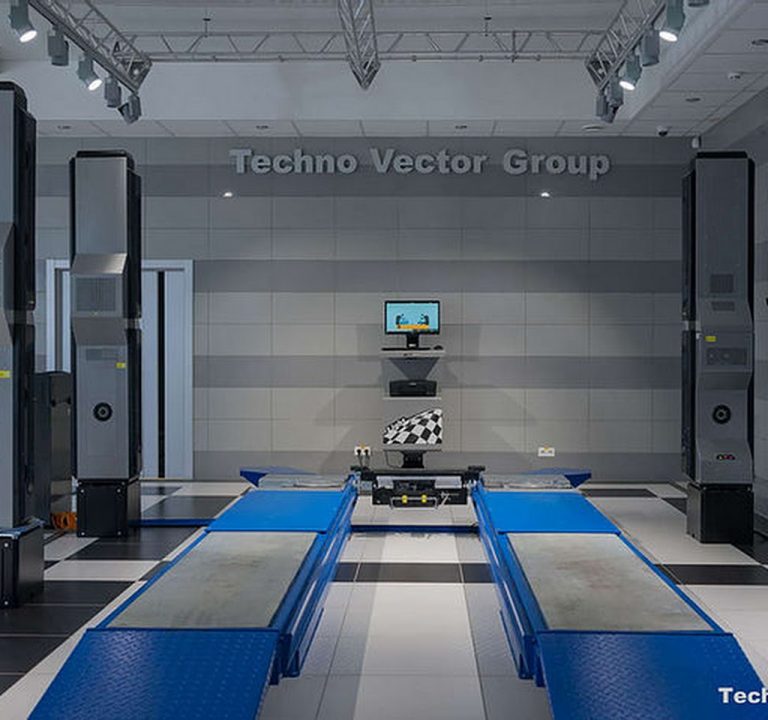
Core offerings cover the main areas required by professional workshops. The wheel alignment segment features authorised distributors of Smartalign and Techno Vector 3D wheel alignment machines, indicating a specialised capability to supply modern alignment technology for both cars and trucks. The product listings highlight several popular models, underscoring SAL Equipment’s role in providing equipment suitable for varied workshop sizes and budgets.
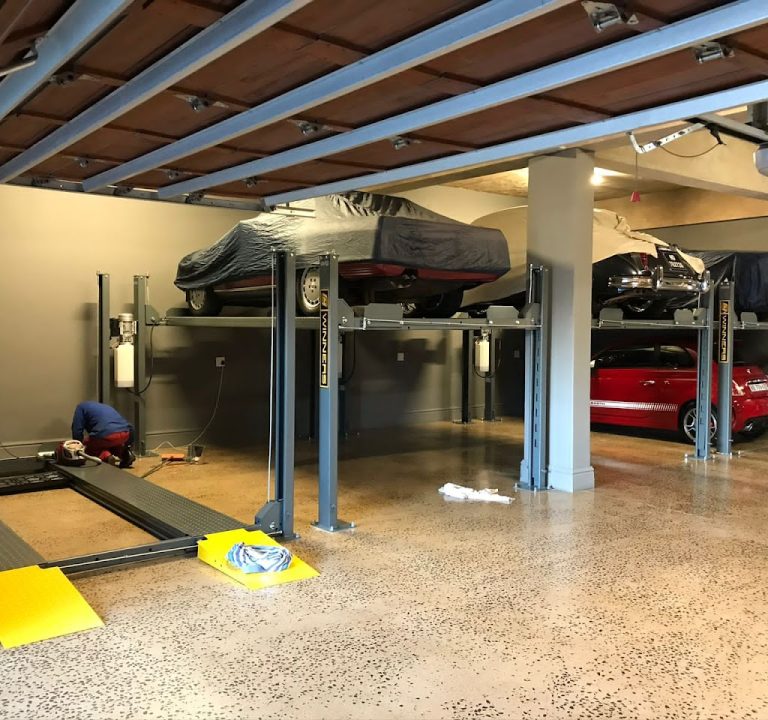
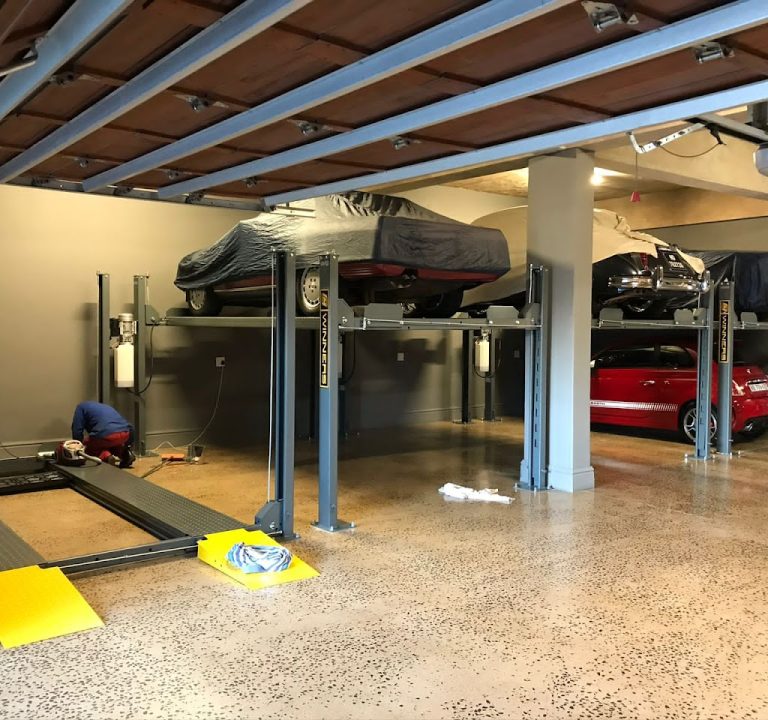
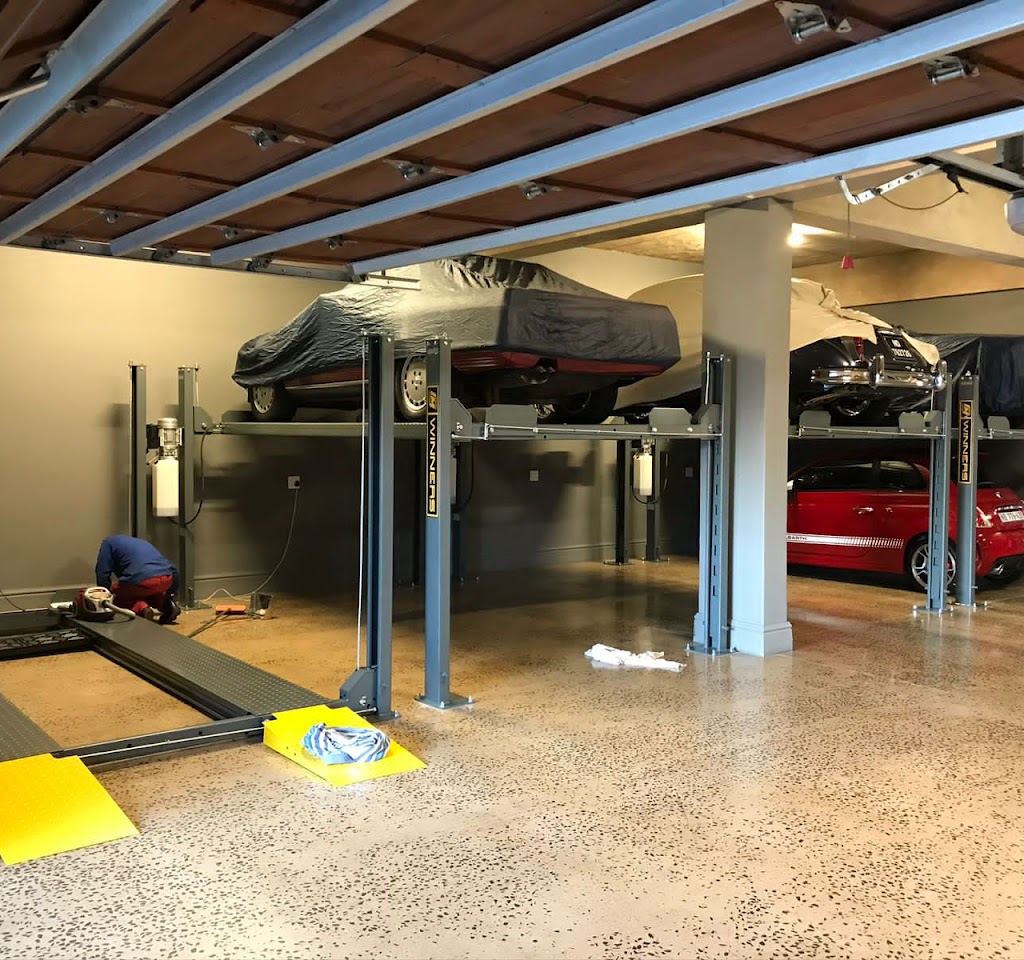
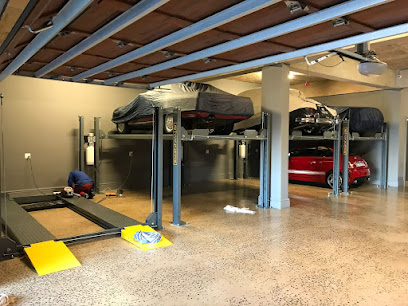
In the category of vehicle lifts, the provider markets professional two- and four-post car lifts. Examples in the range include base-ready and base-plate variants, designed to accommodate different workshop layouts and electrical specifications. This aligns with the practical needs of Durban-area workshops seeking dependable vertical access to vehicles for maintenance and repair work.
The tyre changer and wheel balancer category targets essential car and truck servicing equipment. The catalog includes fully automatic tyre changers, truck tyre changers, and mid-range to advanced balancers, reflecting a comprehensive offering for tyre fitment operations and rear-end servicing. These items are typically positioned to support both independent workshops and franchise fitment centres seeking robust, efficient equipment for high-volume tyre work.
Diagnostic tools and key programming solutions are also featured, with SAL Equipment identified as an authorised dealer for Launch products and other diagnostics accessaries. The presence of diagnostic tools and key programmers alongside the workshop devices indicates an end-to-end capability to equip service centres with both the hardware and software necessary for vehicle diagnostics and programming tasks.
The company outlines a straightforward service proposition: delivery and installation within South Africa, continued by dedicated services such as workshop equipment installations and servicing. This combination suggests a support ecosystem that extends beyond product sales to practical on-site deployment and ongoing maintenance, a critical consideration for busy retail and commercial workshops seeking to minimise downtime.
Typical projects and job types implied by the catalogue include establishing new tyre fitment facilities, setting up wheel alignment bays, installing vehicle lifts, and equipping workshops with diagnostic and programming tools. The breadth of products supports set-ups for independent garages, tyre centres, and larger automotive service providers across South Africa, including KwaZulu-Natal’s Durban region.
- Main services offered:
- Workshop equipment and installations
- Wheel alignment machines (3D and advanced models)
- Vehicle lifts (2- and 4-post systems)
- Tyre changers and wheel balancers (car and truck)
- Diagnostic tools and key programming devices
- Delivery and installation within South Africa
- Typical job types (as described by the product range):
- Wheel alignment bays for cars and light trucks
- Lift installation and service bays in workshops
- Tyre fitting and balancing operations for cars and trucks
- Diagnostic diagnostics and ECU programming for modern vehicles
Practical tips for customers planning a purchase or a workshop upgrade include verifying compatibility between equipment and the specific workshop layout, considering the electrical requirements of lifts and automated tyre changers, and aligning the purchase with expected throughput to optimise productivity. Requesting on-site installation details and confirming delivery timelines can help minimise disruption during commissioning. It is also prudent to discuss servicing options and maintenance plans to ensure machinery remains in optimal condition after installation.
While the site does not publish explicit business hours, the emphasis on delivery and installation within South Africa implies a nationwide service capability. The Durban area is within the broader South African service footprint, with equipment suited to both standalone workshops and multi-site tyre and service centres. The platform presents SAL Equipment as a practical partner for those seeking a comprehensive range of workshop technologies from a single supplier, with a focus on competitive pricing and authorised brand representation.
Durban
KwaZulu-Natal
3626
South Africa
Sorry, no records were found. Please adjust your search criteria and try again.
Sorry, unable to load the Maps API.
Equipment supplier services in Durban, KwaZulu-Natal
In Durban, KwaZulu-Natal, equipment suppliers play a central role in enabling businesses to procure a broad range of machinery, tools, and consumables. The local market tends to emphasise reliability, timely delivery, and a comprehensive support framework that helps organisations keep operations running with minimal disruption. Suppliers in this region commonly serve diverse sectors, including construction, manufacturing, logistics, and hospitality, adapting stock and service levels to suit seasonal demand and industrial cycles.
Typical offerings extend beyond mere product provision. Customers can expect a structured journey that begins with needs assessment and specification guidance, followed by sourcing from a network of manufacturers and distributors. The emphasis in Durban is often on practicality and accessibility: a mix of showroom displays, online catalogues, and knowledgeable sales staff who can translate technical requirements into workable procurement solutions. This approach helps purchasers compare capabilities such as power ratings, durability, energy efficiency, and compatibility with existing systems before committing to a purchase.
Delivery and logistics are core considerations for equipment suppliers in the coastal city. Depending on the scale of the order, arrangements may include local delivery, off-site storage, installation assistance, commissioning, and on-site demonstrations. For larger or more technical items, customers may receive site surveys and planning support to ensure proper fit, safe handling, and compliance with local regulations. Availability of flexible delivery windows and transparent lead times is valued highly, given the operational pressures faced by Durban-based businesses and the region’s transport infrastructure, including proximity to the port and major highways.
After-sales support is a key differentiator in this market. Equipment suppliers typically offer maintenance services, spare parts availability, and a responsive helpline for troubleshooting. Some barriers to uptime, such as harsh coastal conditions or heavy-duty usage, are mitigated by access to routine servicing and advisory notes on best practices for storage, protection from corrosion, and proper calibration where applicable. Warranties and service plans are commonly presented as part of the purchase, with terms that cover both manufacturing defects and wear-and-tear considerations. Clients are advised to review these terms carefully to understand what is included in routine servicing, response times, and any exclusions.
Customers in Durban can also expect advisory support around health and safety compliance, particularly when dealing with machinery that requires operator training or on-site risk assessments. Suppliers frequently provide documentation outlining safety features, correct operation, and recommended maintenance schedules. In addition, procurement teams may explore financing options, bulk purchasing discounts, and credit terms to align with budgeting processes and cash flow considerations—though specific terms are not standardised and vary between providers.
Practical considerations for engaging with a Durban equipment supplier include assessing proximity to the operation, which can reduce transit times and fuel costs. Local knowledge about climate-related factors—such as humidity and coastal corrosion—can inform recommendations for protective coatings, storage solutions, and corrosion-resistant components. It is also prudent to evaluate a supplier’s ability to source compatible accessories and to provide end-to-end service that covers installation, calibration, and ongoing maintenance rather than a one-off delivery.
Overall, equipment supplier services in Durban aim to deliver comprehensive procurement and support that minimise downtime and maximise productivity. The most effective collaborations combine clear communications, dependable delivery, practical installation options, accessible after-sales care, and consideration of local regulatory and environmental factors. By focusing on these elements, businesses in KwaZulu-Natal can secure reliable access to essential machinery and related services tailored to the region’s distinctive operational landscape.