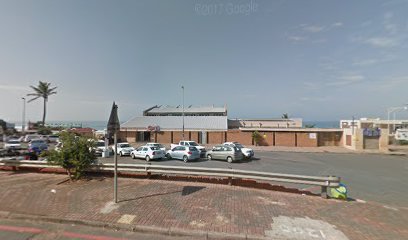
Sapphire Coast Tourism is a Information centers establishment in Amanzimtoti, Kwa-Zulu Natal, South Africa
Sapphire Coast Tourism: Information Centre Services and Customer Experience (Amanzimtoti, KwaZulu-Natal)
Situated in Amanzimtoti as part of the Sapphire Coast’s official tourism offering, Sapphire Coast Tourism functions as a central information hub and a publisher for visitors and local businesses. The site presents a comprehensive portal designed to help holidaymakers plan activities, discover local towns, and access a curated directory of services. The information centre role is framed around easy navigation, helpful planning tools, and connections to experiences across the Sapphire Coast’s coastal towns in KwaZulu-Natal, South Africa.
Main services offered, as described on the website, cover four core areas. First, the information hub acts as a one-stop guide for exploring the region. It aggregates content on ocean adventures, beaches, nature and outdoor activities, cultural experiences, dining and shopping, and local events. The purpose is to streamline planning so visitors can easily identify activities that match their interests, from diving at Aliwal Shoal to family-friendly beach days and nature excursions.
Second, the platform functions as a gateway to accommodation and stay options. A dedicated accommodation directory consolidates listings for hotels, resorts, guest houses, campsites and caravan parks, as well as accessible and family-friendly choices. The listings are intended to facilitate decision-making regarding where to stay and how to organise group bookings for conferences or weddings, with related services such as airport shuttles and tour providers mentioned as part of the broader hospitality ecosystem.
Third, Sapphire Coast Tourism highlights a vibrant experiences ecosystem. The site segments content into oceanside activities, beaches and beach life, nature and outdoor adventures, and entertainment and lifestyle. This includes scuba diving, deep-sea and rock fishing, snorkelling, surfing, dolphin and whale watching, horse riding on the beach, birding routes, conservancies, hiking trails, and various recreational pursuits. Visitors are offered a curated view of seasonal events, markets, local eateries, and cultural experiences that reflect the character of the region.
Fourth, there is a focus on business listings and community engagement. The platform encourages local businesses to join the directory, emphasising visibility and collaborative growth within the Sapphire Coast network. Features such as “Featured Business of the Month” and member benefits are highlighted to support entrepreneurs, craftspeople, and service providers in reaching potential customers who are using the tourism guide to plan trips or seek experiences.
Customer experience on the site appears to be designed around clarity and convenience. The content is organised into thematic sections—The Ocean (sea adventures), Beach Life (coastal enjoyment), Nature & Outdoor Adventures (biodiversity and trails), Entertainment & Lifestyle (shopping, markets, events), Sport & Recreation (athletic facilities and local clubs), and a Towns section (stories and histories). Each section includes a list of sub-items that hint at the breadth of options and the ease of discovery for someone planning a stay in the region. The explicit aim is to help visitors “plan your visit” and to “explore everything this beautiful stretch of KwaZulu-Natal has to offer.”
Typical interactions and requests likely follow the site’s structure: users browse the main categories, click into sub-pages for specific activities, and then consult the accommodation directory or the business directory for venues and services. The presence of travel tips, weather information, maps and downloadable brochures within the Plan Your Visit area suggests a practical approach to logistics, including best times to visit and accessibility considerations. Although no pricing or promotional claims are shown, the emphasis remains on providing practical information to help visitors tailor itineraries and make informed choices.
Practical tips for customers planning a Sapphire Coast itinerary include:
- Explore the Ocean section for diving, fishing, snrokelling and wildlife experiences such as dolphin or whale watching to identify seasonal opportunities.
- Use the Beaches & Beach Life section to locate safe swimming spots, family-friendly beaches and nearby attractions like water-based parks or markets.
- Check Nature & Outdoor Adventures for conservancies, birding routes, waterfalls and hiking trails to suit different activity levels.
- Review Accommodation listings early to secure family-friendly options, conference venues or wedding venues, and consider adjacent services like airport shuttles.
- Consult the Plan Your Visit area for weather, maps, FAQs and accessibility information to plan travel logistics and return visits.
- Look at the Towns section to understand the character and history of Amanzimtoti and neighbouring communities, which can enrich the itinerary with cultural experiences.
While the site provides a broad, stimulus-focused overview of services and experiences, it remains deliberately non-promotional in tone about any single business. The information centre experience is designed to be reader-friendly and navigable, enabling visitors to assemble a personalised Sapphire Coast itinerary with confidence. The emphasis on community, accessibility and a wide range of activities reflects the region’s appeal to families, adventure-seekers and culture enthusiasts alike, from Amanzimtoti’s coastal backdrop to the broader KwaZulu-Natal coastline.
Amanzimtoti
Kwa-Zulu Natal
4126
South Africa

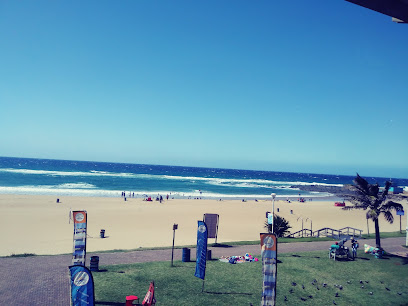
Sorry, no records were found. Please adjust your search criteria and try again.
Sorry, unable to load the Maps API.
Information centres in Amanzimtoti, KwaZulu-Natal: services and practical guidance
Information centres in Amanzimtoti provide a structured point of contact for residents, visitors and local businesses seeking guidance on public services, local attractions and practical day‑to‑day information. Located along the south coast of KwaZulu-Natal, these centres are convenient resources for navigating municipal services, tourism options and community programmes within the broader eThekwini Metro area and beyond.
Typically, a centre operates with a staffed information desk or counter where trained personnel assist with enquiries. The primary aim is to connect individuals with accurate, up‑to‑date information and, when necessary, to direct inquiries to the relevant department or organisation. While the exact services can vary, many information centres in Amanzimtoti share a common purpose: to act as a gateway to the resources available within the town and its surrounding region.
Enquiries commonly cover a mix of public services and local insights. Visitors and residents may seek practical directions to town facilities, transport options, parking rules, and operating hours for libraries, clinics, and municipal offices. Tourist information is often a core component, with guidance on local attractions, beaches, nature reserves, and family‑friendly activities, as well as recommendations for accommodation, eateries, and events. For local businesses and entrepreneurs, information centres can assist with accessing business directories, permit or licensing guidance at a high level, and referrals to appropriate government or agency services.
Information centres also play a role in community life. They may provide information about social services, education and training programmes, health and welfare resources, and opportunities for volunteering. In some instances, partners such as libraries, tourism offices or municipal outreach programmes operate within or alongside the information centre, creating a broader hub for public engagement.
A typical customer experience involves a polite, face‑to‑face interaction at the information desk, where staff listen to the inquiry and offer clear pointers. If the question is straightforward, a printed brochure, map or local directory might be provided. For more complex or multi‑sector enquiries, the staff can outline the next steps, including referrals to relevant departments or external organisations. Some centres may offer digital touchpoints—such as online databases, interactive maps or computer access—to help visitors find information at their own pace, subject to available facilities and policies.
Practical considerations are important when using information centres in Amanzimtoti. Accessibility is a key factor, with steps or ramps and clear signage to support visitors with mobility needs. Opening hours typically follow municipal schedules, including weekend or holiday variations, so visitors are advised to check in advance. Language diversity is common in KwaZulu‑Natal, and staff may provide information in multiple languages or offer interpretation support where possible. Security and personal data handling are standard concerns, with protocols in place to protect sensitive information. Fees for certain services, such as printing or using paid facilities, may apply, so clarity on any costs is helpful.
For residents planning trips or errands, information centres offer a practical starting point, helping to consolidate local knowledge into actionable next steps. While not a place for exhaustive detail on every topic, the centres function as interpreters of local services, linking people to the right offices, resources and opportunities. In Amanzimtoti, this collaboration between public services and community resources supports efficient access to information and contributes to a more connected town experience.