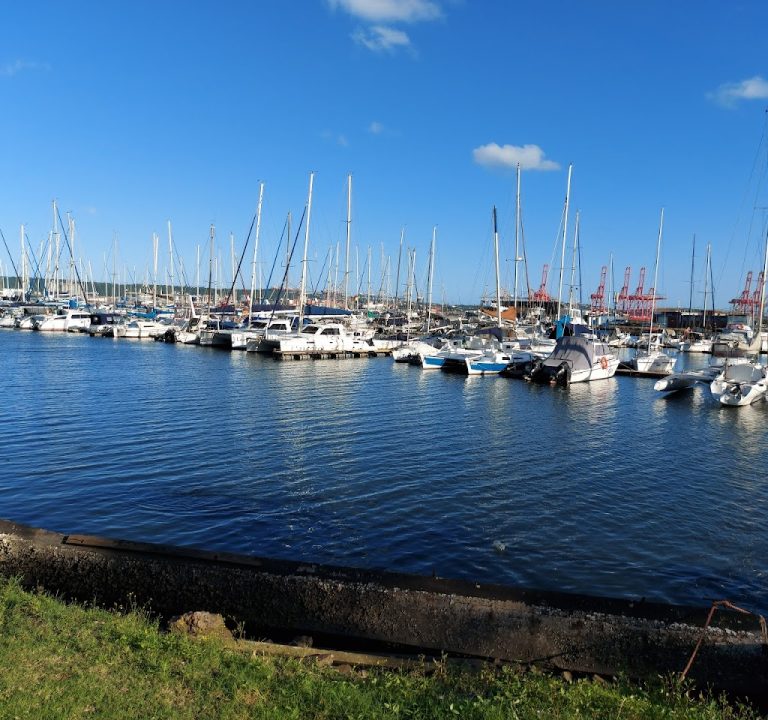
Saps Durban Harbour Police Station is a State police establishment in Durban, KwaZulu-Natal, South Africa
Durban
KwaZulu-Natal
Durban Central, Durban
South Africa

Sorry, no records were found. Please adjust your search criteria and try again.
Sorry, unable to load the Maps API.
State Police Services in Durban, KwaZulu-Natal
In Durban, KwaZulu-Natal, state police services form a crucial component of public safety and law enforcement. They operate within a framework designed to protect residents and visitors, support local municipalities, and respond to a wide range of security concerns. The regional context includes busy urban areas, coastal traffic, and diverse communities, all of which influence how policing is delivered and managed.
Typically, state police in the area provide essential crime prevention and response functions. A primary duty is the rapid response to emergencies, incidents of crime in progress, and calls that require immediate law enforcement intervention. This includes domestic disputes, robberies, vehicle theft, and suspicious activity. Officers aim to deter crime through visible patrols, community engagement, and organised policing operations that coordinate with local authorities to maintain public order.
Traffic policing is another key service. Roads in and around Durban experience significant traffic volumes, including commuter routes, industrial zones, and tourist corridors. Police units routinely conduct traffic enforcement, manage road safety campaigns, and respond to incidents that disrupt travel. This work often involves enforcing speed limits, vehicle checks, and conducting investigations into road traffic crashes, with support from scenes of crime investigators where necessary.
Criminal investigations form a central function of state policing. Specialised investigative units, trained detectives, and forensic teams collaborate to gather evidence, interview witnesses, and build cases for prosecution. The objective is to identify suspects, recover stolen property, and contribute to the overall reduction of crime rates. Investigations are typically coordinated with courts and prosecutors, following established legal procedures to preserve the integrity of evidence.
Community-oriented policing serves as a bridge between the force and local residents. Officers engage with communities to address safety concerns, provide crime prevention advice, and foster trust. This approach can include school liaison programmes, neighbourhood watch collaborations, and public safety seminars. Accessibility to police stations and timely assistance during community events are important aspects of this work.
Practical considerations for service users include understanding how to contact state police during a crisis. Typically, local emergency numbers and reporting channels are emphasised, with guidance on dispatch times and what information to provide to facilitate a swift response. People may also encounter non-emergency channels for reporting incidents, seeking safety advice, or requesting information about crime prevention resources.
In Durban, the provision of state policing is influenced by regional administration and cooperation with municipal authorities. This collaboration is intended to align policing strategies with local needs, including tourism demand, commercial activity, and social services. Officers may operate from dedicated stations and units that specialise in public order, traff ic management, criminal investigations, and family or child protection services, among others.
For residents and visitors, it is useful to recognise what to expect when engaging with state police services. Professional conduct, adherence to legal procedures, and a focus on safeguarding the public are common principles. While the specifics of operations may vary over time and across precincts, the overarching aim remains the reduction of harm, the protection of property, and the maintenance of a secure environment for the Durban community.