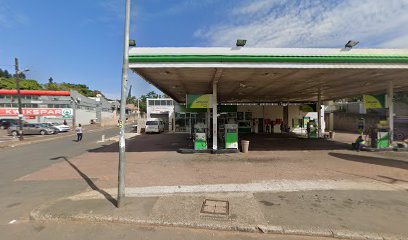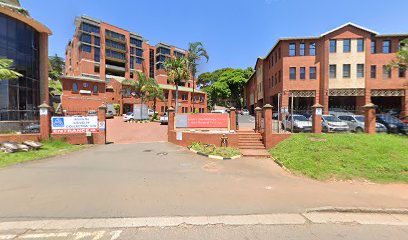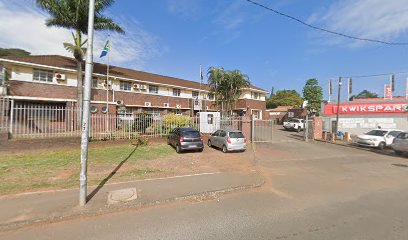
SAPS Mayville Police Station is a State police establishment in Durban, KwaZulu-Natal, South Africa
Durban
KwaZulu-Natal
4058
South Africa
Sorry, no records were found. Please adjust your search criteria and try again.
Sorry, unable to load the Maps API.
State police services in Durban, KwaZulu-Natal
Durban, as a major coastal city in KwaZulu-Natal, benefits from a structured network of state policing designed to maintain public safety, deter crime, and respond to emergencies. The primary policing authority in this region is the national police service, which operates alongside municipal law enforcement bodies to deliver a comprehensive public safety ecosystem. Visitors and residents can expect a framework that prioritises rapid response, formal investigations, and ongoing community engagement, subject to the local resources and priorities of the policing authorities.
Typical services provided by state policing in Durban include continuous patrolling in both high‑risk and covered urban areas, plain‑clothes and visible policing to deter crime, and response teams tasked with urgent callouts such as break-ins, violent incidents, and motor vehicle accidents. The aim is to secure scenes, preserve evidence, and initiate formal investigations. In practice, response units coordinate with detectives and forensic services to advance cases from initial incident to the collection of statements, witness accounts, and physical evidence. The overall emphasis is on accountability, safety, and the orderly management of public spaces.
Investigative capacity is a core component of state policing. Detective units and specialised investigators handle a range of crimes, including theft, burglary, assaults, fraud, and more serious offences. In Durban, victims are typically advised to report incidents promptly, enabling the appropriate authorities to document the event and begin an investigative trail. While exact procedures may vary, the general workflow involves incident reporting, preliminary assessment, evidence gathering, interviews, and the submission of cases for prosecution as appropriate. Community liaison efforts are often pursued to build trust, gather local insight, and address recurring concerns such as street crime and shoplifting in commercial districts.
Traffic policing forms another essential facet of policing in Durban. Road safety campaigns, enforcement of traffic regulations, and crash investigations help to reduce accidents and improve compliance with road rules. Officers may conduct routine checks, manage accident scenes, and coordinate with emergency medical services and tarring or repair operations as needed. Public information campaigns on road safety, seat-belt use, and driving under the influence are often part of a broader strategy to mitigate risk on busy coastal and inland routes alike.
Community safety and engagement are frequently foregrounded in policing practice. The state policing framework commonly includes community policing initiatives, neighbourhood partnerships, and crime‑prevention programmes aimed at increasing visibility and accessibility of services. The presence of guardrails around civil liberties—such as proper handling of complaints, transparent processes, and respect for due process—is intended to reassure the public while upholding legal standards.
Practical considerations for those engaging with state police services in Durban include the importance of documenting incidents clearly, providing accurate location details, and understanding the appropriate channels for reporting. In emergencies, dialing the relevant universal emergency number should connect directly to the appropriate response unit. For non‑urgent concerns, reporting avenues may include police stations, official hotlines, or recognised reporting mechanisms established by the authorities. It is generally advisable to keep communication concise, supply factual information, and cooperate with investigators to aid the timely resolution of matters.
- Central role of rapid response, crime prevention, and investigations
- Collaborative effort with municipal police for traffic and local enforcement
- Emphasis on transparency, due process, and community engagement