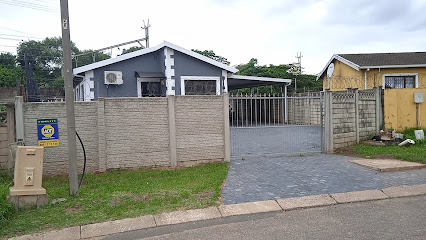
Saps Montclair Police Station is a State police establishment in Durban, KwaZulu-Natal, South Africa
Durban
KwaZulu-Natal
4061
South Africa
Sorry, no records were found. Please adjust your search criteria and try again.
Sorry, unable to load the Maps API.
State Police Services in Durban, KwaZulu-Natal
Durban, a major coastal city in KwaZulu-Natal, relies on state policing to help maintain public order, safety, and the rule of law. The national police service operating within the province delivers a range of core functions designed to address urban complexity, traffic management, and crime prevention in a busy, multilingual environment. The presence of dedicated police stations across the Durban metropolitan area provides access to reporting facilities, case follow-up, and community liaison efforts that are aligned with statutory standards and regional priorities.
Responsibility and structure
State police services in Durban are part of a national framework managed at provincial and local levels. Officers undertake civil crime prevention, routine patrolling, criminal investigations, and specialised units that respond to evolving threats. The service emphasises visible policing to deter criminal activity, alongside investigative work to resolve incidents after they occur. Community engagement channels support information gathering, public safety education, and partnerships with local organisations to identify risk factors and emerging crime trends.
Key services typically provided
- Emergency response and rapid deployment to incidents such as assaults, burglaries, accidents, and disturbances.
- Routine patrolling in urban and coastal areas, targeting high-traffic zones, nightlife districts, markets, and transport hubs.
- Criminal investigations, including follow-up on reported offences, evidence collection, and case progression through the judicial process.
- Traffic policing to enforce road rules, manage incidents, and improve mobility for residents and visitors.
- Domestic violence and family safety support through dedicated units and pathways for reporting and protection orders.
- Fraud, corruption, and economic crime policing, with attention to non-violent offences that impact communities and businesses.
- Cybercrime awareness and response in collaboration with specialised units addressing online threats, scams, and digital fraud.
- Community liaison and crime prevention programmes that encourage neighbourhood involvement, school education, and engagement with local leadership.
- Public order and events policing to ensure safety during gatherings, protests, and cultural activities.
What customers can expect
- Access to trained officers and designated police stations in Durban with clear processes for reporting incidents, including confidential or anonymous reporting where appropriate.
- A structured intake for complaints, procedural updates on cases, and regular communication from investigators regarding the status of enquiries.
- Practical guidance on personal safety, property protection, and steps to secure premises in residential and commercial environments.
- Opportunities to participate in community policing fora, where residents can raise concerns and contribute to local policing priorities.
- Coordination with other public services, such as emergency medical responders and traffic authorities, to manage incidents that affect public safety and mobility.
Practical considerations
- Reporting channels often include in-person visits to police stations or designated contact points, with escalation pathways for urgent matters.
- Response times can vary depending on location, time of day, and the nature of the incident, but the aim is to provide timely attention to emergencies.
- Maintaining personal documentation and understanding basic safety precautions can aid both residents and visitors in Durban.
- Language and cultural diversity in the region are acknowledged in policing approaches, with officers equipped to assist a multilingual community.
In summary, State police services in Durban, KwaZulu-Natal, operate to deter crime, respond to emergencies, and investigate a broad spectrum of offences within the framework of national policing. The emphasis remains on visible policing, reliable reporting processes, and constructive community engagement to support safer neighbourhoods and a more secure urban environment.