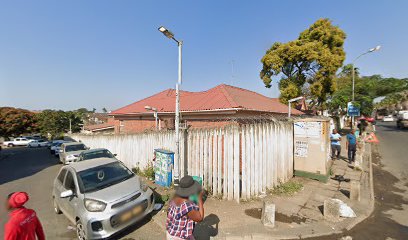
SAPS Tongaat Police Station is a State police establishment in oThongathi, KwaZulu-Natal, South Africa
oThongathi
KwaZulu-Natal
4400
South Africa
Sorry, no records were found. Please adjust your search criteria and try again.
Sorry, unable to load the Maps API.
State police services in oThongathi, KwaZulu-Natal: an overview for residents and businesses
State police services in oThongathi, KwaZulu-Natal, are part of the broader South African Police Service (SAPS) framework, operating to maintain public safety, enforce the law, and support community welfare. In this coastal and rapidly developing region, the police presence is intended to respond to a range of needs, from street-level crime prevention to major incidents and public order operations. The tone of service in such towns typically balances rapid response capabilities with community-facing programmes aimed at reducing crime through collaboration with local residents and stakeholders.
One of the core functions of state police in oThongathi is to provide emergency response and incident management. Residents and businesses can expect a structured process for reporting crime or emergencies, with response times influenced by factors such as time of day, traffic conditions, and available resources. The organisation emphasises prioritising urgent calls, while routine matters are logged and assigned for follow-up. In addition to responding to theft, burglary, vandalism, and assaults, the police often coordinate with other public safety agencies during larger events or incidents that require crowd control and traffic management.
Crime prevention and community safety form a central element of policing in the area. Officers typically engage in visible policing, including foot or vehicle patrols, to deter criminal activity and reassure communities. Community liaison efforts may involve local street committees, schools, businesses, and neighbourhood watches, all aimed at sharing information about risk areas, suspicious activity, and preventive measures. These initiatives contribute to a layered approach to safety, combining deterrence with rapid intelligence gathering and timely intervention.
Investigative work is another important aspect, addressing more serious offences such as burglary, vehicle and property crime, and fraud. While specific investigations rely on case details, the process generally involves securing evidence, conducting interviews, and pursuing leads in collaboration with forensics and criminal justice processes. In many instances, investigations are handled through established precinct structures that connect local officers with regional or national resources when required.
Traffic policing represents a practical necessity in oThongathi, given road networks, commuting patterns, and the potential for incidents on arterial routes. Traffic officers focus on enforcing road safety laws, managing accidents, and facilitating smooth flows during peak periods or special events. Compliance campaigns, such as seat-belt usage, vehicle documentation checks, and driving under the influence enforcement, contribute to safer streets and fewer avoidable accidents.
Administrative and public-facing services support residents and businesses in engaging with state police effectively. These services typically include routine documentation assistance, case no. issuance, and guidance on lodging complaints or reporting non-emergency concerns. Public access points, such as police stations or satellite offices, provide spaces where individuals can obtain information, make inquiries, or seek guidance on navigating the criminal justice system. Officers and civilian staff may also give safety advice tailored to local risks, including burglary prevention, home security, and business premises protection.
Practical considerations for engaging with state police in oThongathi include understanding what information is helpful when reporting an incident (such as location, time, nature of the offence, and a description of persons or vehicles involved), and recognising that response priorities may shift with the availability of resources and the day's demand. It is customary to cooperate with investigation processes, maintain personal safety, and follow guidance provided by officers. For business premises, establishing clear security measures, documenting incidents, and preserving evidence can contribute to more efficient investigations and subsequent interventions.
In summary, state police services in oThongathi, KwaZulu-Natal, aim to provide reliable emergency response, visible crime prevention, investigative capability, traffic safety, and accessible public assistance. The effectiveness of these services often depends on constructive cooperation between police and local communities, regular reporting of concerns, and adherence to lawful processes that safeguard both public safety and civil rights.