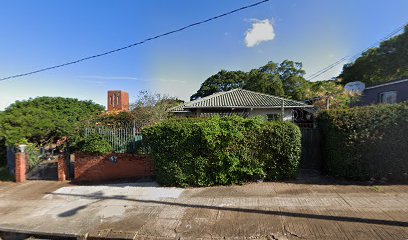
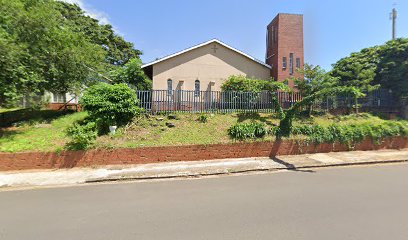
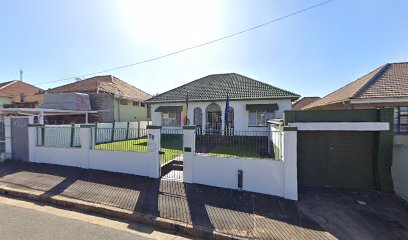
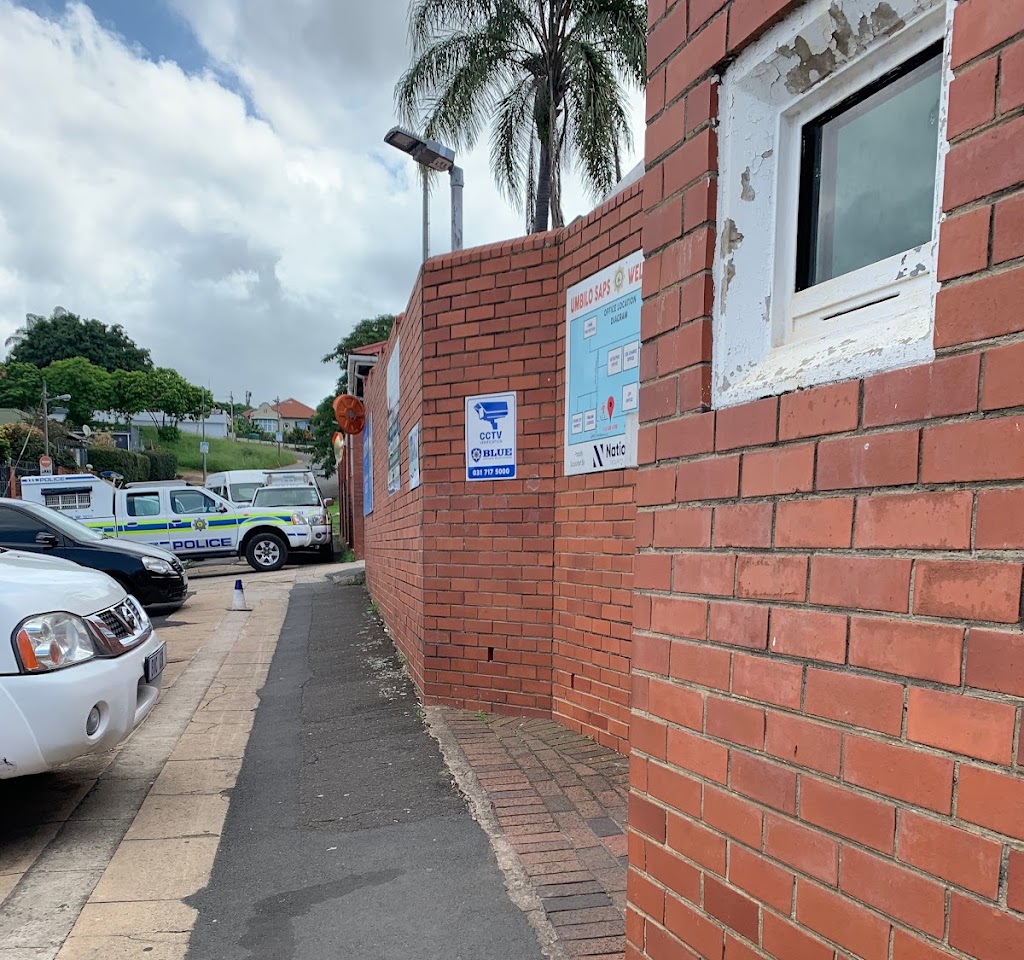
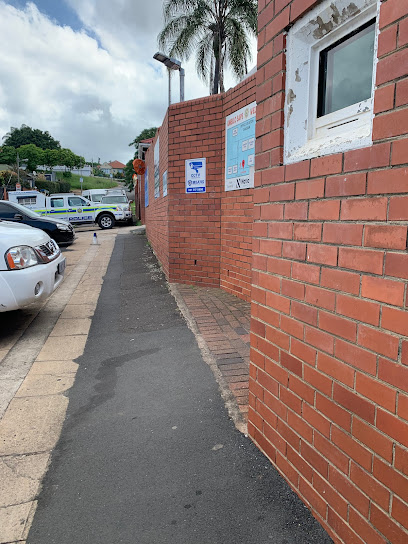
SAPS Umbilo Police Station is a State police establishment in Durban, KwaZulu-Natal, South Africa
Durban
KwaZulu-Natal
4001
South Africa
Sorry, no records were found. Please adjust your search criteria and try again.
Sorry, unable to load the Maps API.
State police services in Durban, KwaZulu-Natal
In Durban, KwaZulu-Natal, state policing represents the core framework for public safety and law enforcement within the urban and coastal environs. The service is designed to address a broad spectrum of criminal activity, traffic management, and community safety concerns. The approach emphasises visible policing, rapid response to incidents, and collaboration with municipal authorities where appropriate. Observers note that the system operates to deter crime, support victims, and maintain orderly conduct in busy commercial districts, residential neighbourhoods, and transport corridors.
Units and teams typically deployed include frontline patrols, criminal investigation divisions, and specialised response groups. Visible policing aims to deter crime through a consistent presence and routine policing activities. Investigation sections focus on gathering evidence, conducting interviews, and pursuing leads after incidents such as burglaries, robberies, or assaults. In addition, a community-facing dimension often exists through liaison with local communities, schools, and business groups to address recurring safety concerns and build trust.
Emergency response is a vital function, with procedures that prioritise swift dispatch to scenes of danger, medical emergencies, or road traffic collisions. Coordination with paramedic services and other emergency responders is a common feature, ensuring timely management of incidents and the preservation of life and property. The medical and disaster response components tend to align with regional protocols and the capacity of local facilities to handle casualties and ongoing support needs.
Traffic and road safety form a significant portion of the state policing remit in Durban. Officers may monitor traffic flow, enforce speed limits, and respond to accidents on major coastal routes, urban arterials, and busy city centre roads. While municipal authorities may contribute to some traffic management responsibilities, police units retain the authority to regulate road use, issue penalties or notices, and coordinate with towing and recovery services during disruption periods.
Community engagement is recognised as an essential element of service delivery. Public safety campaigns, crime prevention initiatives, and information campaigns about reporting channels are common features. The aim is to foster cooperation between residents, business communities, and police to identify risks and develop practical solutions. In practice, this involves listening to concerns, providing guidance on personal safety, and clarifying the process for reporting incidents and retrieving evidence or documents related to cases.
Practical considerations for residents and visitors include understanding the appropriate channels for reporting crime or emergencies, recognising that response times can vary with demand and time of day, and acknowledging that policing operates within the wider framework of South African law enforcement. It is typical to encounter a period of intake where information is recorded, followed by investigative steps if a crime is alleged. While specific procedures may differ by district, the underlying objective remains consistent: to reduce harm, safeguard property, and support victims throughout the investigative and prosecutorial process.
For those planning to engage with state policing in Durban, it is advisable to remain aware of local crime trends, identify safe routes and well-lit areas for travel during evenings, and utilise official channels for reporting. Clarity about what constitutes an urgent versus non-urgent matter can facilitate appropriate prioritisation. Overall, state police services in Durban operate as a community-focused system designed to respond to a wide range of safety needs while coordinating with other public safety and municipal resources to maintain order and resilience in the region.
- Visible policing and rapid response to incidents
- Criminal investigations and evidence gathering
- Road safety, traffic management, and incident response
- Community liaison and crime prevention initiatives
- Coordination with municipal authorities and emergency services