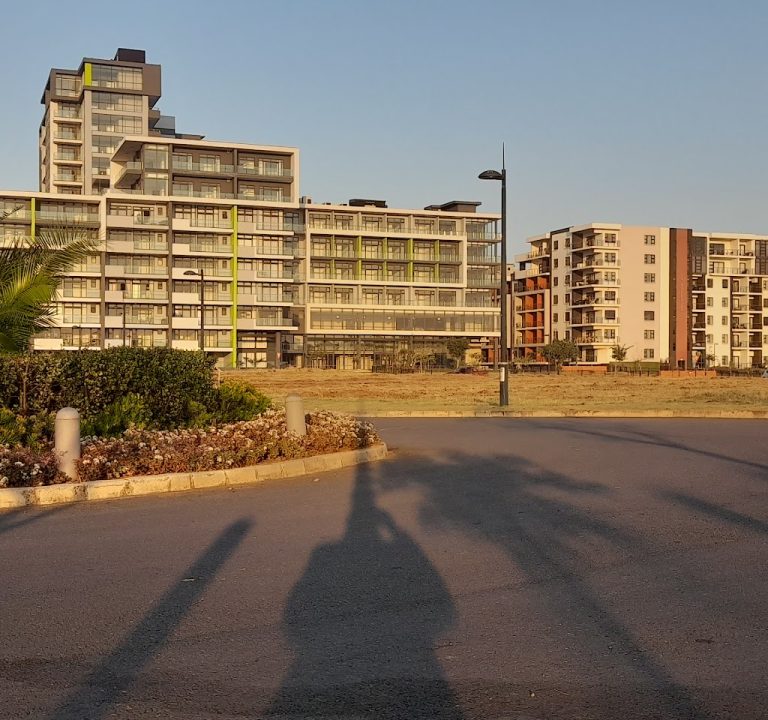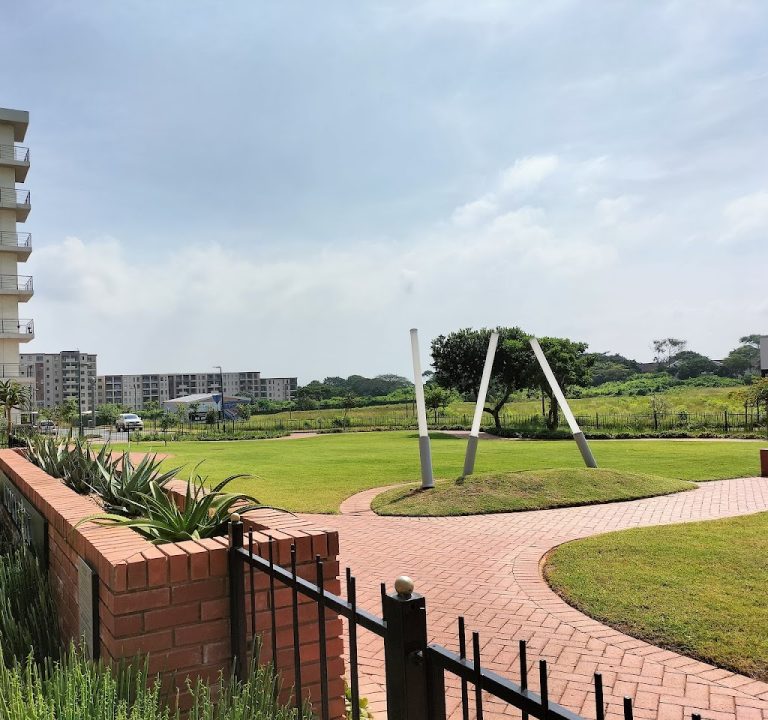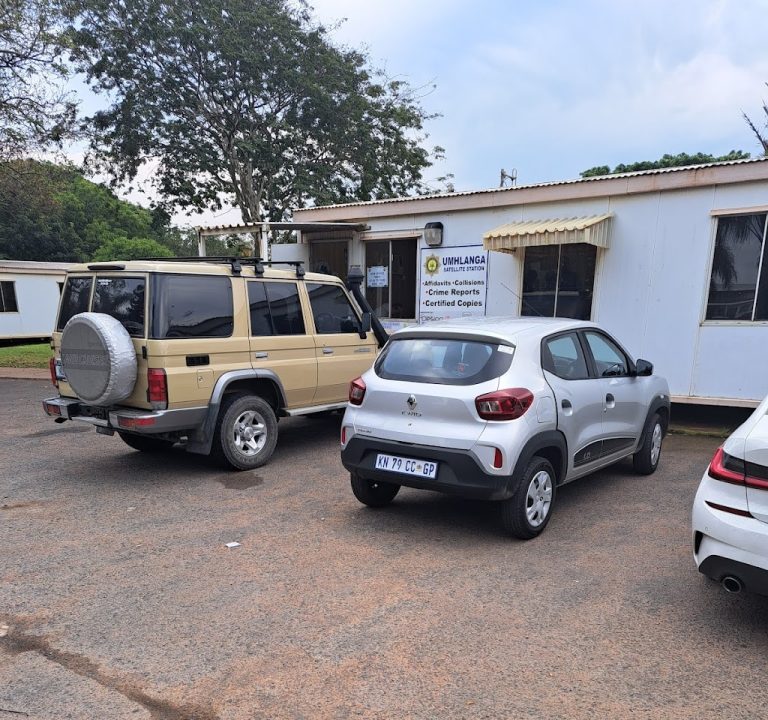
SAPS Umhlanga Police Station (Satellite) is a State police establishment in uMhlanga, KwaZulu-Natal, South Africa
uMhlanga
KwaZulu-Natal
4320
South Africa

Sorry, no records were found. Please adjust your search criteria and try again.
Sorry, unable to load the Maps API.
State police services in uMhlanga, KwaZulu-Natal: a practical overview
The coastal town of uMhlanga, situated along KwaZulu-Natal’s north coast near Durban, falls under the jurisdiction of the South African Police Service (SAPS). As a popular tourist and residential precinct, the area benefits from a policing framework that combines visible patrolling with crime prevention strategies, aimed at safeguarding residents, visitors and businesses alike. SAPS operates in collaboration with local authorities to maintain public order, respond to emergencies and address crime trends that affect this bustling coastal corridor.
Policing in uMhlanga typically emphasises several core functions. Patrol teams conduct regular foot and vehicle patrols to deter crime, assist motorists, and provide a reassuring presence in busy commercial streets, beaches and transport hubs. Early crime detection and surveillance support are used to disrupt criminal activity, while neighbourhood and sector policing initiatives foster closer ties with communities and business owners. In practice, this means a focus on theft, burglary, robberies, cash-in-transit incidents, and the prevention of opportunistic crime in busy retail and hospitality zones.
Emergency response is a central obligation for SAPS in the area. When urgent incidents occur—such as accidents, medical emergencies, or violent offences—the quickest available response is prioritised, with appropriate escalation through the local service channels. Respondents coordinate where necessary with other emergency services, including municipal disaster management and private security providers, to ensure a rapid and effective resolution. While response times can vary with traffic and demand, residents and visitors are encouraged to report incidents promptly using the official channels.
Traffic law enforcement and road safety constitute another important facet of policing in uMhlanga. Officers monitor compliance with speed limits, driver licences, vehicle roadworthiness, and alcohol or drug impairment controls, particularly along busy coastal routes and near popular beaches. This work supports safer travel for residents and tourists, and helps manage congestion during peak holiday periods. In addition, SAPS maintains a presence at key crossings and public spaces to deter anti-social behaviour that can disrupt pedestrian-friendly areas and business activity.
Community engagement remains a key aspect of state policing in the region. Public safety partnerships, crime prevention programmes and information campaigns are designed to keep residents informed about common scams, fraud, and security tips specific to tourism-oriented economies. Local police stations also facilitate community policing forums where residents, small businesses and organisations can discuss concerns, share intelligence, and coordinate preventative measures.
Practical considerations for anyone interacting with state police services in uMhlanga include understanding access points and contact methods. People seeking assistance or wishing to report crime should use the official emergency number in SA and the non-emergency reporting channels established by SAPS. It is advisable to provide clear, objective information about the incident, including time, location, descriptions of persons involved, and any available identifying details. Documenting evidence, such as photographs or CCTV footage, can be helpful for investigations, subject to lawful handling and privacy considerations.
For businesses operating in uMhlanga, maintaining strong security practices remains essential. While police resources are directed toward public safety, effective collaboration with SAPS and private security partners can enhance risk management. This includes implementing well-lit premises, monitored access, clear incident reporting procedures, and staff training on personal safety and loss prevention.
In summary, state police services in uMhlanga aim to balance visible deterrence with responsive emergency handling, supporting a safe environment for residents, visitors, and commerce. The cooperation between SAPS, local authorities and community stakeholders underpins an ongoing effort to address crime trends, improve safety outcomes, and sustain the area’s famed hospitality and coastal appeal.