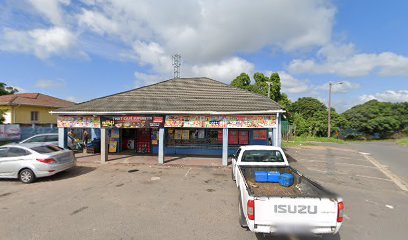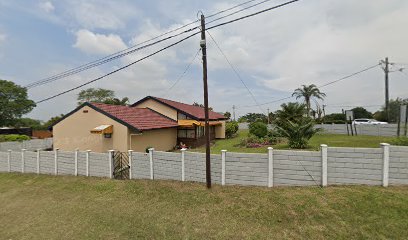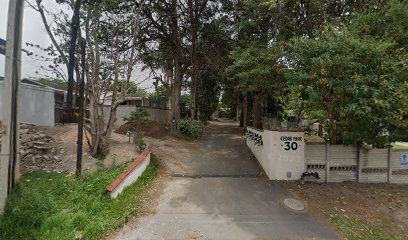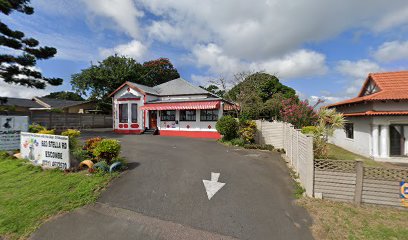
Scamps Play Centre is a School establishment in Queensburgh, KwaZulu-Natal, South Africa
Scamps Play Centre — Early Years Education and Care in Queensburgh, KwaZulu-Natal
Scamps Play Centre operates as a warm, inclusive preschool and daycare facility located at 683 Stella Road, Escombe, in the Queensburgh area of KwaZulu-Natal. Described as a safe and nurturing space, the centre focuses on providing a foundation for young children to play, learn, and grow. The environment is designed to support emotional, social, and intellectual development through a holistic approach that emphasises development across multiple domains rather than only academic achievement.
The centre presents a structured pre-primary programme tailored to children from as young as four months old, highlighting an early learning journey that blends play with purposeful learning. The offering is presented as a holistic early years pathway, incorporating activities and routines that foster curiosity, confidence, and a love of learning. The emphasis on secure facilities and caring staff contributes to a sense of stability for families seeking reliable, long-term early childhood support.
Scamps positions itself as more than a place for supervision; it promotes an active, engaging daily rhythm. Children participate in a variety of activities designed to stimulate development across cognitive, social, physical, and emotional aspects. The programme pages outline a progression from baby classes through toddler groups to preschool, indicating a continuum of care that supports milestones in early childhood.
The centre communicates a flexible schedule to accommodate family routines. Available options for attendance include sessions at 12:15pm, 2:00pm, and 5:15pm, suggesting a responsive approach to daily timetables that can align with parental work commitments or other care arrangements. Nutritional needs are addressed with the inclusion of healthy lunches, underscoring the centre’s commitment to well-rounded daily care beyond mere supervision.
What appears to be a distinctive feature is the holistic emphasis on forming secure, supportive relationships between children and staff. The information presented highlights caring professionals and engaging activities as core elements of the Scamps experience. The programmes are organised into key segments—Baby class (4 to 12 months), Toddler class (12 months to 3 years), and Preschool—reflecting a clear, age-appropriate structure designed to meet the developmental priorities of each stage.
For families seeking a clear understanding of what is on offer, the centre’s contact information is readily accessible. General contact channels include two telephone numbers and an email address, reflecting an approach that prioritises straightforward communication for parents and guardians exploring early education options in the area. The presence of online programme links indicates an intention to provide additional detail about activities and learning experiences beyond what is conveyed in brief summaries.
From a visitor’s perspective, Scamps Play Centre presents a straightforward model: a local, community-focused space delivering early years education and day care through age-appropriate classes, with an emphasis on safety, warmth, and a well-rounded daily experience. The site positions the centre as a practical choice for parents seeking a nurturing environment that supports a child’s emotional and social growth alongside early cognitive development.
Typical service categories include daycare and preschool provision, with a clear focus on early years education and age-specific programming. Although specific instructional methodologies or curricula are not exhaustively described in the available materials, the holistic approach and the range of class levels imply a balanced mix of play-based and structured activities designed to foster curiosity and foundational skills.
Practical tips for prospective families include noting the flexible session times and the emphasis on healthy meals when planning daily routines. Visiting should consider the Escombe area’s accessibility and parking options, as well as ongoing availability of spaces within the baby, toddler, and preschool cohorts. Potential enquiries can be directed via the listed phone numbers or email, which are situated for straightforward initial contact and information exchange.
Operational hours beyond the stated session times are not detailed in the available content, so families may wish to verify the most current attendance options and holiday schedules with the centre directly. Scamps serves Queensburgh and the surrounding KwaZulu-Natal locality, positioning itself as a local option for families seeking a nurturing early years environment with flexible daily arrangements that support working lifestyles while prioritising the child’s well-being and development.
Queensburgh
KwaZulu-Natal
4093
South Africa
Sorry, no records were found. Please adjust your search criteria and try again.
Sorry, unable to load the Maps API.
School services in Queensburgh, KwaZulu-Natal
Queensburgh, situated within the eThekwini Metropolitan Municipality of KwaZulu-Natal, offers a range of educational institutions that provide core schooling alongside practical support services. The typical services associated with schools in this area address the core curriculum, learner welfare, and community engagement. Families seeking educational options can expect an emphasis on foundational literacy and numeracy, subject specialisations at secondary level, and programmes designed to support learners through various stages of development.
Most government and independent schools in Queensburgh follow the South African national curriculum framework, with adherence to provincial inspection and reporting standards. Provision often includes age-appropriate classes for primary learners and more specialised streams or subjects for high school pupils. Schools commonly offer additional support for learners who require assistance with reading, writing, and language development, as well as provisions for learners with special educational needs, where available. A typical offering may include guidance and counselling services, as well as referral pathways to regional educational resources when specialised assessment or intervention is needed.
Extracurricular activities form a key component of the school experience in Queensburgh. Music, sport, drama, and cultural programmes are frequently available, giving learners opportunities to develop teamwork, resilience, and time-management skills. Many institutions collaborate with local community organisations to provide development opportunities outside normal school hours, including after-school care or supervised study sessions. Transportation arrangements, where offered, aim to accommodate families travelling from nearby suburbs, with bus routes and pickup points typically published by the school.
Parental engagement and communication are integral to the school environment. Attendance records, term dates, exam timetables, and important notices are generally distributed through school platforms or communication books, newsletters, and notices sent home with learners. Open days, parent-teacher meetings, and reportings are standard practices, helping guardians track academic progress and plan support strategies at home. Dress codes and school uniforms are commonly observed, with clear expectations regarding attire, branding, and personal presentation.
Facilities and welfare considerations are important in the Queensburgh school landscape. Many campuses provide well-maintained classrooms, laboratories, libraries, playing fields, and recreational spaces. Safety and security measures are typically emphasised, including controlled access to school grounds, visitor procedures, and clear safeguarding policies. Schools may also partner with local health clinics or community health workers to support learner well-being, nutrition programmes, and vaccination campaigns as part of broader welfare initiatives.
When selecting a school in Queensburgh, several practical factors come into play. Proximity to home or work, transport availability, class sizes, and the balance between academic demands and extracurricular opportunities are commonly weighed. Fees and financial assistance options are routinely considered in private or independent schools, while public schools may have differing processes for admissions and placement. Parents are advised to review admission requirements, compulsory documentation, and the school’s approach to discipline and learner safety before making a decision.
In summary, School services in Queensburgh blend standard educational delivery with learner support, community involvement, and practical welfare considerations. The landscape is characterised by a mix of public and independent institutions, each aiming to provide a supportive environment that fosters academic growth, personal development, and preparation for post-school pathways in KwaZulu-Natal and beyond.
- Core curriculum delivery for primary and secondary education
- Support services for literacy, numeracy, and learner well-being
- Extracurricular programmes including sports, arts, and clubs
- Transport, safety, and safeguarding measures
- Parent communication, governance, and open engagement