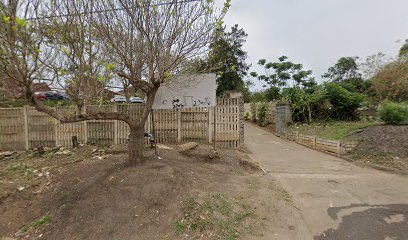
Sea Cow Lake Secondary is a High school establishment in Durban North, KwaZulu-Natal, South Africa
Durban North
KwaZulu-Natal
4051
South Africa
Sorry, no records were found. Please adjust your search criteria and try again.
Sorry, unable to load the Maps API.
High School Services in Durban North, KwaZulu-Natal: An Overview
Durban North, a coastal suburb of KwaZulu-Natal, hosts a range of high school facilities that serve families seeking secondary education close to the city’s northern shores. The services commonly encountered in this locality emphasise a balanced approach to academic development, personal growth and community engagement. Schools typically cater to learners from Grade 8 through Grade 12, supporting progression from foundational subjects to more specialised streams as pupils mature.
Most high schools in Durban North provide a core academic programme aligned with national curricula, supplemented by local educational standards and school-specific assessment practices. Core subjects often include languages, mathematics and science, together with social studies, technology and arts. Practical considerations such as timetable structure, assessment cycles, and examination preparation are designed to reflect both departmental requirements and the expectations of provincial education authorities. Learners are encouraged to build a solid academic foundation, while also developing critical thinking, problem-solving and communication skills that support further study or vocational pathways.
In addition to classroom learning, schools typically offer a broad range of extra-curricular activities. Sport plays a central role in many institutions, with opportunities for team sports, fitness training and friendly inter-school competitions. Arts and culture programmes, including music, drama and visual arts, tend to run parallel to sports, providing creative outlets and performance avenues. Clubs and societies—covering areas such as debate, science, environmental stewardship and community service—offer platforms for leadership development and peer collaboration. Participation often aims to foster well-rounded individuals who can manage time, work collaboratively and contribute positively to school life.
Practical considerations for families include transport arrangements, school uniform requirements and the accessibility of facilities. Durban North schools typically operate with defined school hours, with early morning gatherings, classroom blocks and dedicated time for breaks or meals. Transport options may include school buses, public transit routes or approved drop-off points, with many institutions coordinating safe, supervised travel for learners who reside in nearby suburbs. Uniform policies are common, promoting a sense of belonging and discipline, while addressing safety and identification needs around school premises.
Student support services form an important component of the Durban North high school experience. Guidance counsellors or learning support staff assist with career planning, subject choices, and personal development. Access to learning support is commonly available for learners who require additional assistance, whether due to language development, study skills or other educational needs. Where applicable, schools also provide information about external support services, scholarships, bursaries or financial aid programmes to help families manage educational costs.
Examination and progression pathways are central to high school services in KwaZulu-Natal. Learners prepare for provincial assessments and final examinations that determine progression to tertiary study or vocational options. Schools typically publish information about curricula, assessment timelines and grade boundaries to keep families informed, while ensuring equitable access to guidance on post-school planning. During the senior years, there is often a focus on career readiness, subject choices that align with anticipated field of study, and opportunities for work-experience placements or internships where available.
Overall, the high school landscape in Durban North tends to combine robust academics with a supportive, community-oriented environment. Parents and learners can expect schools to emphasise safety, structured routines, and opportunities that nurture both academic achievement and personal development. While exact offerings vary by institution, the region consistently presents a cohesive framework for secondary education that prepares pupils for the next stage of their educational journey.