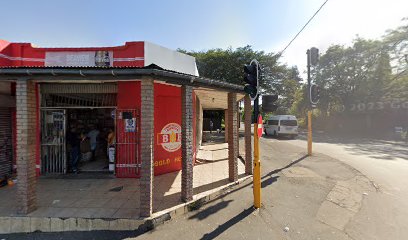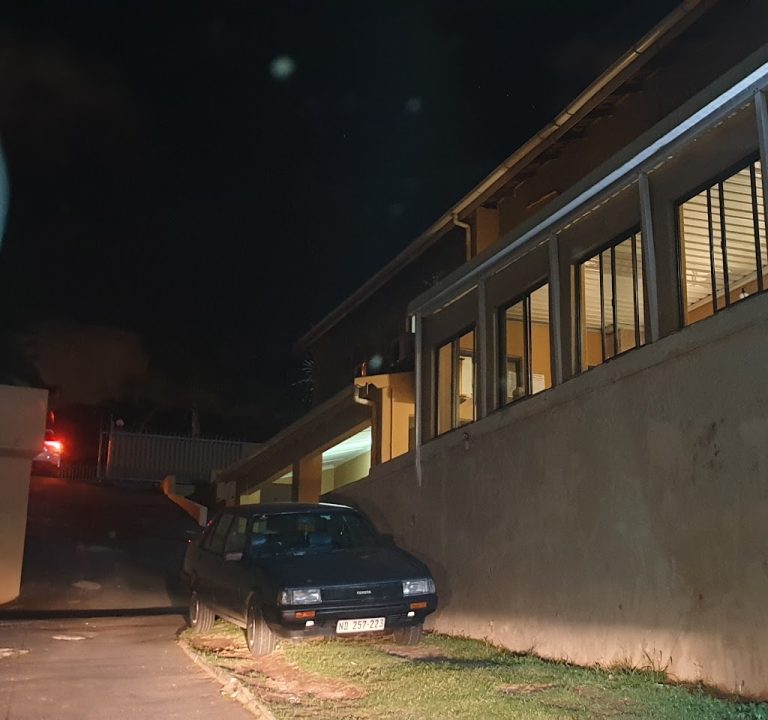
Seaview Musallah is a Mosque establishment in Durban, KwaZulu-Natal, South Africa
Seaview Musallah – Mosque in Durban, KwaZulu-Natal
Seaview Musallah is a community mosque located in Durban, KwaZulu-Natal, providing a range of religious services and educational programmes for local visitors and worshippers. The site presents itself as a centre for daily prayers, weekly congregations, and religious instruction, focusing on traditional Islamic practices within the community context.
The main offerings centre on five daily prayers and Friday congregational prayer, with explicit times published for Fajr, Zuhr, Asr, Maghrib, and Isha. Special emphasis is placed on Friday Jum’ah, with a dedicated Azaan and Salaah schedule to accommodate the weekly gathering. The posted timetable also indicates seasonal or variable adjustments, suggesting attentiveness to changes that may accompany the lunar calendar and community needs.
Beyond daily prayer, Seaview Musallah hosts structured religious programmes intended to deepen attendees’ knowledge and practice. A daily taleem follows the Fajr Salaah, presented by Hadhrat Molana Muhammed Shuaib Padia DB, indicating a commitment to continuous learning and spiritual reflection. Additionally, a weekly Majlis occurs after Isha on Thursdays, featuring the same presenter, which signals a regular opportunities for study, discussion, and communal engagement after evening worship.
The information on the site emphasises a disciplined routine of worship coupled with education, suggesting a mosque that values both ritual observance and doctrinal learning. The inclusion of programme details reflects an organised approach to religious life, with predictable formats that regular attendees can anticipate and participate in.
In terms of structure and atmosphere, Seaview Musallah appears to function as a traditional local mosque serving the Durban community. While specific facilities or architectural features are not described on the site, the focus on prayer times and scheduled lectures points to a facility arranged to accommodate congregational gatherings, prayer, and study sessions in a respectful, devotional setting.
Visitor reviews and external sources (where available) are limited in the provided content, so statements about awards, certifications or external affiliations cannot be confirmed. The available information centres on standard mosque activities—prayer, Friday services, and religious lectures—indicating a conventional temple of worship within its locality.
Typical services and activities can be summarised as:
- All five daily Salaah with published times (Fajr, Zuhr, Asr, Maghrib, Isha).
- Friday Jum’ah Azaan and Salaah according to the schedule.
- Daily Taleem immediately after Fajr Salaah, led by a named scholar.
- Weekly Majlis after Isha on Thursdays, featuring the same presenter.
- Community-centred religious education and devotional programming.
Practical tips for visitors include checking the latest timetable before attending, arriving a little ahead of prayer times to find space in the prayer hall, and dressing modestly in keeping with traditional mosque etiquette. For those planning to participate in the educational programmes, note the daily and weekly timings and prepare questions or topics for discussion to maximise the learning experience.
Location and area served: Seaview Musallah serves the Durban area within KwaZulu-Natal, offering a focal point for local Muslims to observe daily worship, engage in religious study, and participate in communal gatherings. The site functions as a community hub for the surrounding neighbourhood, particularly those seeking structured teaching alongside regular prayers.
Key practicalities at a glance:
- Main services: daily prayers, Friday Jumu’ah, Taleem after Fajr, Thursday Majlis after Isha.
- Typical activities: religious observance, Islamic education, community lectures.
- How requests usually work: worshippers participate at scheduled prayer times and attend lectures or Majlis as part of the routine.
- Best times to visit: aligned with prayer times; consider arriving a little early for Friday prayers or special sessions.
- Hours and accessibility: times are published for daily prayers; check the site for any changes or updates.
- Location: Durban, KwaZulu-Natal; serves local community and visitors to the area.
Website: http://seaviewmusallah.org.za/
Durban
KwaZulu-Natal
4094
South Africa
Sorry, no records were found. Please adjust your search criteria and try again.
Sorry, unable to load the Maps API.
Overview of Mosque Services in Durban, KwaZulu-Natal
Durban, a coastal city in KwaZulu-Natal, hosts a variety of mosques that serve as focal points for prayer, learning, and community support. In this region, mosque services are typically organised to accommodate daily prayers, Friday congregations, and special occasions throughout the Islamic calendar. The character of these venues often reflects Durban’s rich cultural diversity, with facilities adapted to suit both long-standing residents and newcomers from neighbouring provinces or international communities.
Daily prayer spaces are a common feature, with mosques opening their doors at the times dictated by the local prayer timetable. The daily schedule usually includes the five obligatory prayers, as well as optional prayers such as Sunnah and Nafl when feasible. In many mosques, the prayers are led by trained imams or guest scholars who provide guidance on interpretation of religious texts, snippets of sermon guidance, and reflections on contemporary issues facing the community. The atmosphere in these spaces tends to be respectful and contemplative, with priority given to cleanliness, silence, and orderly conduct.
Friday Jummah prayers are a central weekly event, drawing men, women, and families for communal worship. The sermon (khutbah) often covers topics relevant to local life, social ethics, family matters, and charitable work. Following the sermon, attendees participate in the congregational prayer, and some mosques provide notes or brief summaries to assist those listening to translations or explanations. In Durban, mosques may feature separate gender arrangements for certain prayers and spaces, reflecting customary practices while accommodating the needs of families and visitors.
Ablution facilities, or wudu areas, are integral to mosque operations. These facilities enable worshippers to perform ritual washing before prayer, in line with traditional practice. Cleanliness and hygiene are emphasised, with management typically ensuring washrooms are regularly maintained and stocked with essentials. In some venues, there are separate facilities to cater for different groups or to maintain privacy and comfort for worshippers.
In addition to prayer, many Durban mosques offer educational programmes and community activities. Classes on Quran recitation (tajweed), Arabic language, and basic Islamic studies are frequently available for children and adults alike. Weekend seminars, study circles (halaqahs), and youth groups may provide a steady rhythm of learning and discussion. Community outreach often includes charitable initiatives, food drives, and assistance with social services, reflecting the broader commitment to service that is valued across the Muslim community.
Funerary services are another important aspect of mosque life in Durban. Ancestral rites and ritual washings (ghusl) are commonly coordinated through mosque facilities or with trusted partner organisations. Guidance on funeral arrangements, burial practices, and support for bereaved families may be provided through dedicated volunteers or staff within the mosque compound.
Practical considerations for visitors include respecting local custom and dress codes, arriving on time for prayers, removing footwear at designated points, and maintaining a respectful, quiet demeanour inside prayer halls. Information about prayer times, contact details, and visiting policies is often displayed at entrances or available through community notices. For those seeking halal dietary options or guidance on charitable giving tied to zakat and sadaqah, mosques frequently direct individuals to approved, community-based initiatives that align with Islamic principles.
Overall, the mosque landscape in Durban offers a welcoming network of spiritual spaces that support worship, learning, and charitable activity. While each mosque operates within its own governance and arrangements, the shared aim centres on providing accessible, dignified guidance and space for worship and communal solidarity within KwaZulu-Natal.