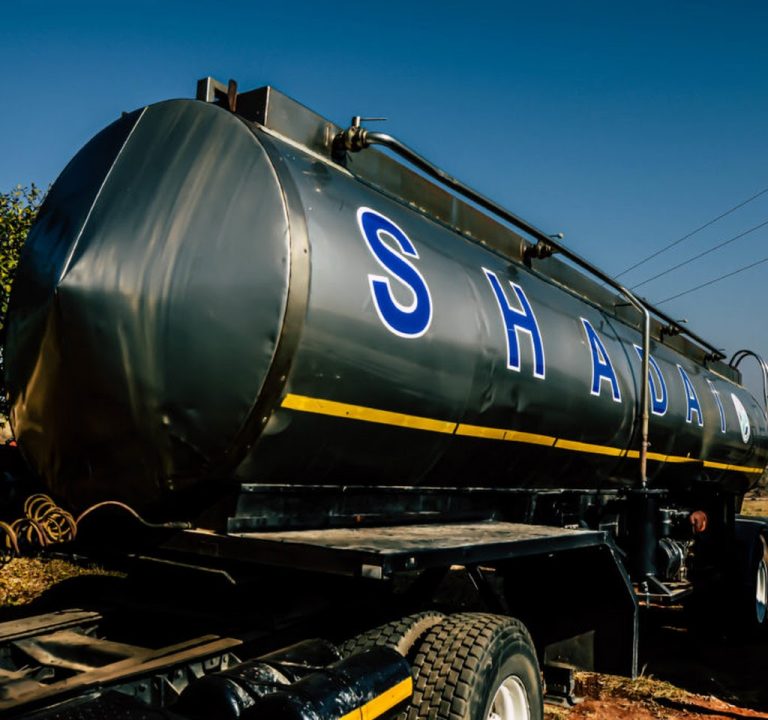
Shadai SA is a Septic system service establishment in Durban, KwaZulu-Natal, South Africa
Shadai SA: Septic System Services and Waste Management in Durban, KwaZulu-Natal
Shadai SA (Pty) Ltd operates as a long-standing waste management partner in the greater eThekwini region, delivering professional sanitation and liquid waste services since 2000. The company positions itself as a comprehensive in-house provider, with capabilities spanning septic tank services, concrete tank manufacturing, and sludge management. Its emphasis on in-house expertise aims to streamline projects from inception to completion, reducing the need for external subcontractors and promoting consistent quality across multiple scales of work.
Core offerings focus on turnkey septic tank services designed for residential, commercial and industrial environments. The service scope covers safe, efficient removal, pumping and management of both domestic and industrial sludge, aligning with local regulatory expectations and customer requirements. Shadai SA emphasises end-to-end capabilities, enabling clients to secure a full package of assessment, installation, operation and maintenance within a single supplier framework. This approach is presented as a practical advantage for organisations seeking efficiency and reliability in waste management projects.
A distinctive element of Shadai SA’s portfolio is its in-house concrete tank manufacturing. The plant enables the production of niche tank solutions tailored to a variety of applications, closely integrated with the septic system services and sludge management operations. The combination of design, production and field execution under one roof is promoted as a way to ensure compatibility between tank hardware and waste handling processes, particularly for larger or government-linked projects where custom specifications may be required.
The company also markets hi-tech fencing as part of its broader offering, underscoring diversification within the business. While primarily associated with waste management, the fencing capability addresses security and site access considerations common to industrial and commercial projects, contributing to safer and more controlled work environments for septic and sludge-related operations.
Shadai SA’s customer base spans a wide array of sectors. The “Who We Service” section lists homes, office blocks, restaurants, hotels, factories, government entities, warehouse facilities, petrol stations, workshops and wash bays. This variety suggests experience with both small-scale domestic jobs and larger-scale commercial and industrial assignments, including infrastructure projects and public sector collaborations.
With a stated focus on sanitation, liquid waste management and sludge handling, Shadai SA positions itself as a proactive partner for organisations seeking compliant and practical waste solutions. The company’s profile highlights its collaboration with government departments and municipal bodies, as well as its capacity to manage large and small projects. The in-house capability to design, produce and implement sludge storage, treatment and disposal solutions is pitched as a unique selling point, potentially beneficial to clients looking for integrated waste management ecosystems rather than piecemeal services sourced from multiple providers.
Geographical reach covers the Durban region and surrounding KwaZulu-Natal areas, including the Upper Highway and Outer West. This positioning reflects a focus on the eThekwini metro and adjacent districts, where commercial and industrial activity often aligns with the company’s broadened waste management competencies. For organisations evaluating suppliers, Shadai SA presents an option to consolidate septic, sludge, manufacturing and ancillary site services under one experienced provider.
Typical project types and services include:
- Septic tank services for residential, commercial and industrial sites
- Liquid waste management and safe sludge removal
- Concrete tank manufacturing and installation
- End‑to‑end project delivery with in-house professionals
- Support for government and municipal projects and sites
- Site fencing and security solutions related to waste operations
Practical tips for customers planning work with Shadai SA include early scoping of waste volumes and storage needs, assessing whether a combined tank and treatment solution may reduce long-term maintenance, and considering integrated project delivery to minimize coordination challenges. When requesting quotations, customers should provide site location, expected throughput, whether the project is residential or commercial/industrial, and any regulatory or environmental compliance requirements the work must meet. Given the breadth of services, confirmation of lead times, permitting considerations and on-site access requirements during the planning phase can help ensure a smooth delivery process.
Business information available indicates a commitment to quality and regulatory compliance, as reflected in the company’s ISO 9001 credentials and Level 1 BBBEE certification. While specific hours of operation are not stated here, the presence of a dedicated “Get a Quote” pathway on the website suggests a formal process for initiating projects and obtaining pricing and timelines for septic and related waste management services in the Durban area.
Durban
KwaZulu-Natal
3680
South Africa


Sorry, no records were found. Please adjust your search criteria and try again.
Sorry, unable to load the Maps API.
Septic system services in Durban, KwaZulu-Natal
In Durban and the broader KwaZulu-Natal region, septic system services cover a range of routine maintenance, inspections, and remedial work essential to the function and longevity of on-site wastewater systems. Given the climate, geology and urban expansion in coastal and inland areas, specialist attention is required to manage effluent safely and to protect both properties and the surrounding environment.
Contractors in this sector typically assess the system components, including the septic tank, pipes, distribution fields, soakaways and venting. Visual checks, odour assessment and consideration of household water usage patterns help determine service needs. Service providers emphasise compliance with local regulations and bylaws governing wastewater management, septic tank effluent discharge, and the permissible use of drainage fields. Where systems are ageing or show signs of inefficiency, professional advice covers potential upgrades or replacements in accordance with environmental and health guidelines.
Common services are delivered through a combination of pumping, cleaning and monitoring. Regular pumping reduces the risk of solid build-up, which can hinder flow and lead to blockages or overflows. Cleaning may involve removing sludge and scum, checking baffles and inlet and outlet pipes, and ensuring the tank structure remains intact. Where necessary, effluent may be drained to approved treatment areas or drainage fields, with attention paid to soil permeability and groundwater considerations. Inspections often include checking for surface dampness above drain fields, suspicious smells, or unusually lush patches of soil that may indicate misdirected effluent.
Seasonal factors influence service planning in Durban. Heavy rainfall in certain periods can impact drainage and groundwater levels, while high temperatures may accelerate biological activity in the tank. Providers may offer guidance on water usage practices to maximise system efficiency, such as reducing unnecessary flushing, installing greywater controls, and avoiding non-biodegradable additives that can disrupt the system’s natural processes. For properties relying on off-mite or borehole water, or those in newer developments with shared drainage arrangements, professional assessment helps ensure compatibility with local infrastructure and environmental safeguards.
Typical service outcomes include restored flow, reduced odour, and confirmation that the system is operating within expected parameters. When issues are detected, options may range from targeted cleaning and repair to more substantial interventions, subject to structural integrity and regulatory requirements. In all cases, safety considerations are emphasised, with standards guiding entry into tanks, handling of wastewater, and the use of protective equipment by personnel.
Customers planning septic system maintenance in Durban are advised to consider several practical aspects. Access to a suitable working space around the tank and drain field supports safe servicing. Scheduling aligned with household usage can help minimise disruption, and clear communication about recommended intervals aids budgeting for maintenance cycles. Environmental responsibility remains a key focus; practitioners typically aim to prevent pollution, protect groundwater, and minimise odours that may affect neighbouring properties. Documentation of servicing events, including dates and observed conditions, is commonly provided for reference and regulatory compliance.
- Routine pumping and cleaning of septic tanks
- Inspection of tank integrity, baffles, and inlet/outlet pipes
- Assessment of drain field performance and soil conditions
- Odour assessment and surface indicators of potential issues
- Guidance on water usage, waste disposal, and system longevity
- Recommendations for repairs, upgrades, or replacements when necessary
Overall, septic system services in Durban are characterised by practical assessments, environmentally conscious practices and adherence to regional regulations. The emphasis remains on maintaining sanitary conditions, protecting properties, and ensuring reliable effluent management across varying climatic and urban contexts.