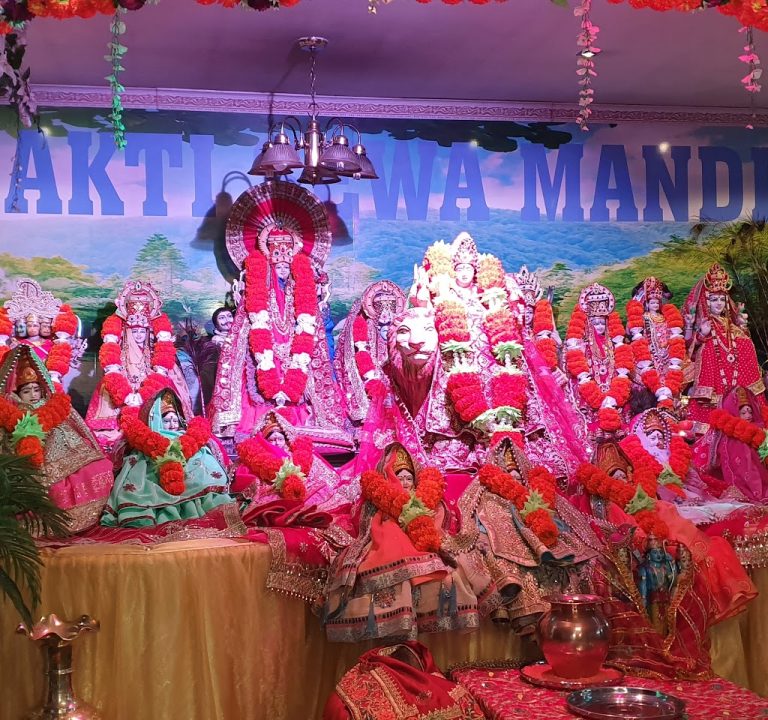
Shakti Sewa Mandir is a Hindu temple establishment in Durban, KwaZulu-Natal, South Africa
Durban
KwaZulu-Natal
4133
South Africa
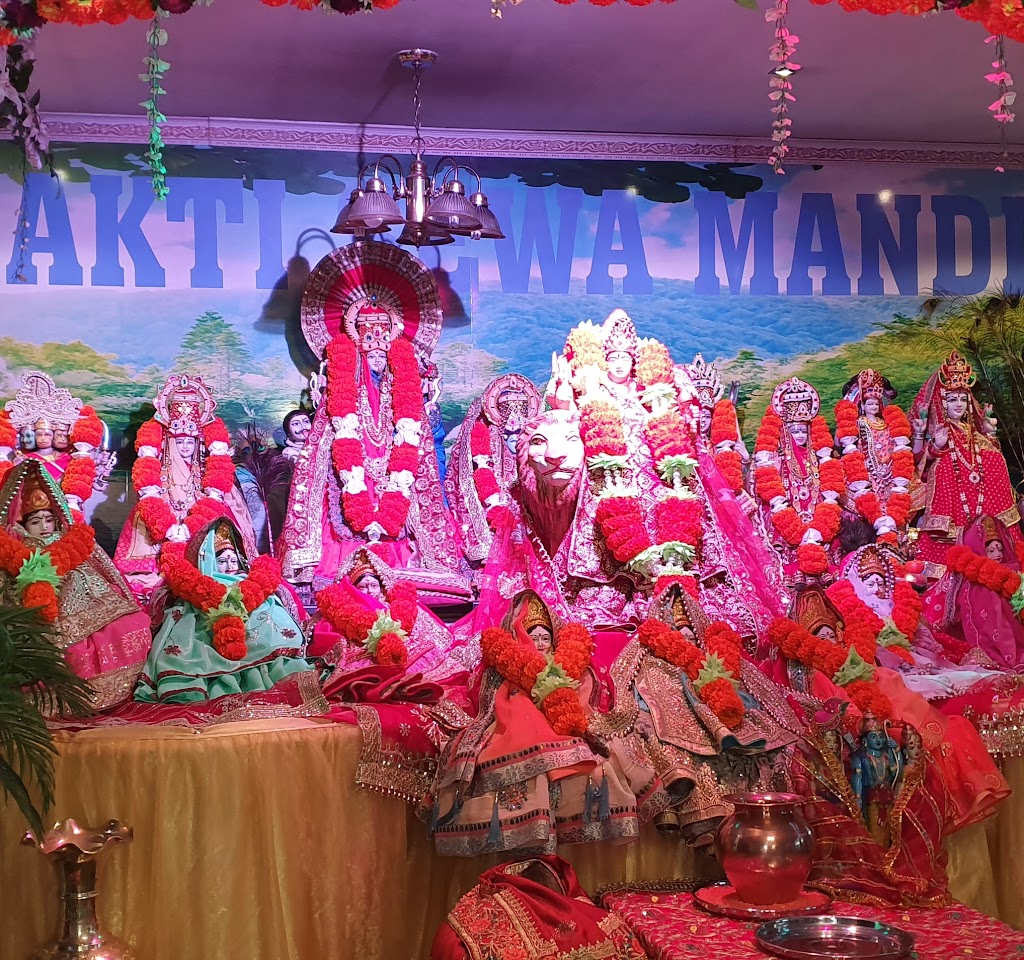
Sorry, no records were found. Please adjust your search criteria and try again.
Sorry, unable to load the Maps API.
Hindu temple services in Durban, KwaZulu-Natal: an overview for visitors and the community
Durban, located on the east coast of South Africa in KwaZulu-Natal, hosts a number of Hindu temples that serve as focal points for religious practise, cultural education and community gatherings. The services offered within these temples reflect a blend of traditional Hindu rituals and local interfaith hospitality, welcoming worshippers from diverse backgrounds who seek spiritual enrichment, guidance, and festive celebration. Regular temple activity typically centres on daily devotion, ceremonial rites and community programmes that align with the Hindu calendar and local customs.
Visitors and worshippers can expect a structured sequence of rituals designed to foster reverence and mindfulness. The day often begins with temple cleansing and the preparation of offerings, followed by puja (worship) performed at altars dedicated to deities honoured within the temple. A typical puja involves the offering of flowers, incense and food, accompanied by recitations, mantras and aarti—the ceremonial waving of light before the deity. This sequence is usually conducted by temple priests recognised for their knowledge of Sanskrit chants and traditional proceedings. Prayers are conducted at a pace that allows devotees to participate, reflect and observe the prescribed steps carefully.
A range of services is commonly available to suit different needs and occasions. Regular daily sevas (ritual services) may include:
- Darshan, the opportunity to view the deity and receive spiritual blessing.
- Puja and bhajan sessions, with devotional singing and rhythmic prayers.
- Prasadam distribution, where blessed food is shared with attendees after the conclusion of certain rites.
- Abhishekam or sacred bathing of deities, performed on specific auspicious days or festival periods.
- Aarthi ceremonies, which mark the culmination of worship with the offering of light and music.
In addition to daily rituals, temples organise a variety of special ceremonies tied to Hindu festivals and life events. Festivals such as Diwali, Navaratri, Pongal and temple anniversaries are marked with community gatherings, elaborate decorations, processions, discourses and cultural programmes. Temples may also host satsang (spiritual gatherings), religious classes for children and adults, and lectures on Hindu philosophy and scriptures. Some venues provide guidance on life-cycle rites, such as weddings or naming ceremonies, conducted in accordance with Hindu ritual protocols and local traditions.
From a practical standpoint, the temple environment often emphasises a respectful, quiet atmosphere suitable for contemplative worship. Visitors are usually advised to dress modestly and remove shoes before entering worship spaces. Mobile phones are typically kept on silent, and photography policies vary by temple; some may permit discreet photography in certain areas, while others request reverence without flash. Food spaces and prasadam areas should be treated with care, following hygiene and queueing norms that can be specific to each temple.
Accessibility and logistics are important considerations for travellers and local residents alike. Temples usually publish weekly programme calendars outlining daily pujas, special ceremonies and temple tours. Arrangements for disabled access, parking, accommodation for large crowds and language availability (with services conducted in English, Hindi, Tamil or local variants) can differ between temples. Individuals planning to attend should consider arriving a little early to observe the layout of the temple complex, locate the prayer halls, and understand the etiquette for participating in ritual offerings.
Overall, Hindu temple services in Durban provide a structured, citizen-engaging space for worship, cultural exchange and community support. They offer guidance on devotion, philosophical reflection and traditional practices while fostering a sense of shared heritage among residents and visitors in KwaZulu-Natal.