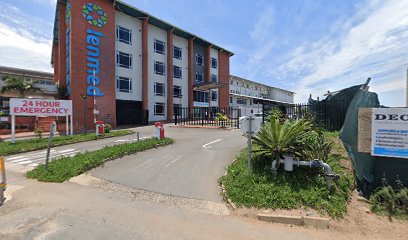
Shifa Private Hospital – ER is a Hospital establishment in Berea, Kwa-Zulu Natal, South Africa
Shifa Private Hospital – ER (Berea, Kwa-Zulu Natal) – Hospital: service overview and patient experience
Shifa Private Hospital – ER is a large, modern private hospital located in the Berea area of Durban, Kwa-Zulu Natal. Following a major phased upgrade, the facility presents a world-class healthcare offering in a family-oriented environment. The hospital has earned recognition within South Africa’s private healthcare sector, including a place among the country’s top 20 hospitals and a Discovery Better Than Expected award in 2024, along with an approved Discovery Key Care Service Provider status. These accolades reflect a focus on quality care and patient experience within a well-supported private network.
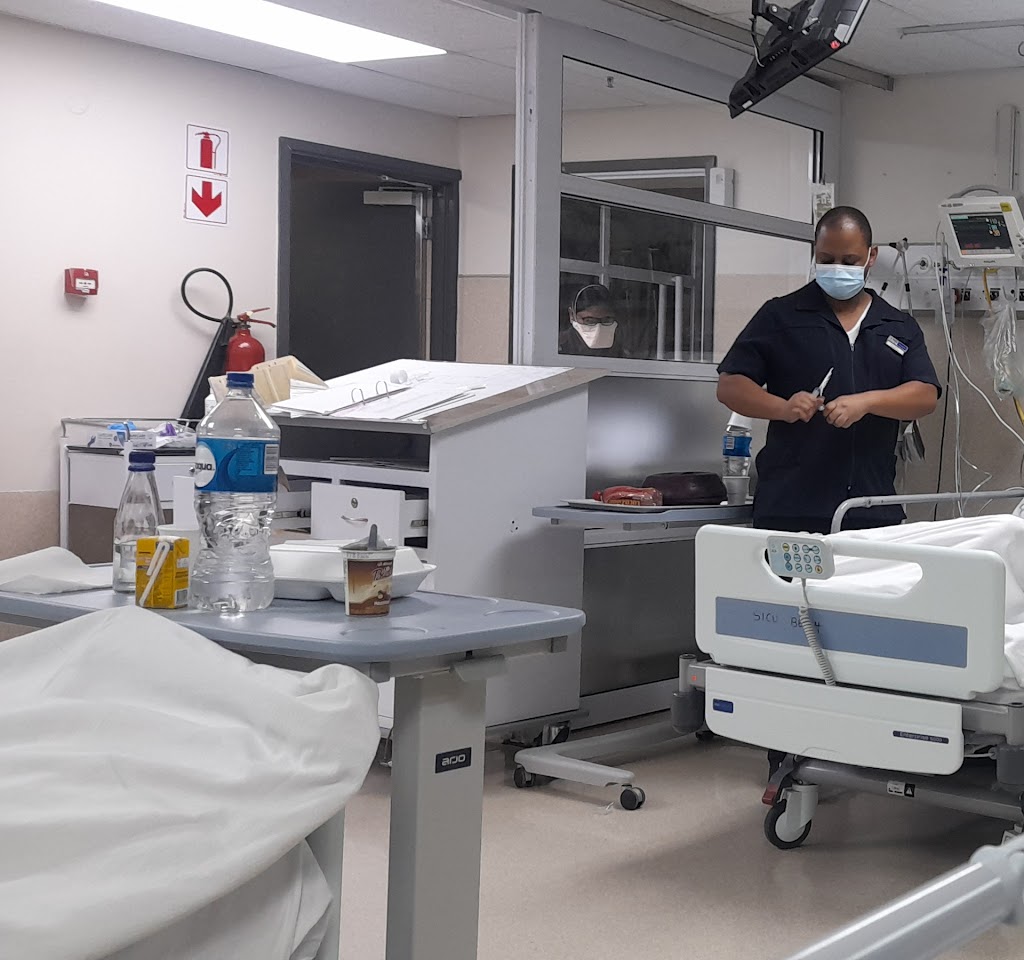
Key facilities at Shifa Private Hospital – ER include a 24-hour Accident & Emergency Unit, signalling a capacity to manage acute presentations around the clock. The hospital operates a Surgical Centre of Excellence, a dedicated Gastroenterology Centre, and a Renal Care Unit, complemented by a broad range of General Medical and Surgical Disciplines. Together, these areas indicate a capability to handle urgent medical needs as well as elective procedures in a cohesive, multidisciplinary environment.
In terms of the patient journey, the hospital provides practical access points designed to streamline admissions and ongoing care. An Admission Form is available via the Lenmed Lenmed website, which situates Shifa Private Hospital within the Lenmed private hospital network and relates to standard Lenmed patient information materials. The presence of a central doctor directory link—Find a Doctor—suggests that patients can locate specialists across Lenmed’s hospital network, potentially simplifying referrals and second opinions for complex conditions.
Clinical services highlighted by the facility include surgical care and organ-specific units, notably gastroenterology and renal services, which typically encompass diagnostics, treatment, and post-discharge management. The emphasis on general medical and surgical disciplines indicates a broad clinical footprint suitable for a wide range of inpatient needs, from routine assessments to more complex stays requiring multidisciplinary teams.
Practical information for patients and visitors is demonstrated by published visiting policies. The maternity ward, in particular, allows one parent to stay during the admission and throughout the mother’s stay with the child, reflecting a family-supportive approach in line with hospital policy. Visiting hours for the maternity area are specified as 15:00–16:00 and 19:00–20:00, with a limit of two visitors per patient for one hour, and a prohibition on visitors under 12 years of age. This level of detail implies a structured, patient-centred visiting routine intended to balance family presence with clinical workflow.
Operational details include the hospital’s contact and location information: 482 Randles Road, Durban, 4091, with a postal address of PO Box 19234, Dormerton, Durban, 4015. The geographical placement in Durban’s Berea area positions the hospital within a populous, accessible urban catchment. While specific patient volumes or case mix are not disclosed, the combination of a 145-bed capacity and an Emergency Unit suggests a facility equipped to manage significant demand and diverse clinical presentations.
From a consumer perspective, several practical tips emerge. Prospective patients and their families may wish to review the Admission Form from Lenmed’s site ahead of transfers to streamline the process. For specialised care needs, the “Find a Doctor” facility within Lenmed’s network could help patients identify appropriate physicians and coordinate multidisciplinary care. When planning visits, families should note the maternity ward policy and visiting windows, as well as the general visiting norms posted by the hospital to ensure timely access and compliance with hospital procedures.
The hospital’s management and customer relations framework is indicated by named staff contacts, including a Hospital Manager and a Customer Relations Officer. While direct pricing, specific treatment timelines, or awards are not itemised in detail within the available content, the stated recognitions and the breadth of services point to a facility that prioritises contemporary clinical standards, patient comfort, and a supportive environment for both emergency and elective workloads.
Service reach extends to the Berea and wider Durban area, with the hospital positioned to serve residents requiring urgent care, postoperative support, and ongoing medical management. The integrated approach—combining 24-hour A&E, specialised centres, and general disciplines—suggests a cohesive patient experience focused on timely access, clinical competence, and family-friendly policies in a private healthcare setting.
Berea
Kwa-Zulu Natal
4091
South Africa

Sorry, no records were found. Please adjust your search criteria and try again.
Sorry, unable to load the Maps API.
Hospital services in Berea, KwaZulu-Natal: an overview for patients and visitors
Hospitals in the Berea area of KwaZulu-Natal provide a range of medical services designed to cater to acute emergencies, ongoing treatment, and planned care. Located near the vibrant urban centre of Durban, these facilities typically act as regional hubs for both urgent and elective healthcare. Services are organised to accommodate in-patient stays, out-patient appointments, and rapid access to diagnostic and specialist care, with a focus on delivering timely, clinically driven treatment in a supportive environment.
Across Berea, the standard hospital offering includes a 24-hour emergency department equipped to handle trauma, strokes, chest pains, infections, and other urgent conditions. Patients arriving with acute concerns are assessed by trained emergency medical staff, prioritised according to severity, and directed to appropriate wards or clinics for further investigation and treatment. Reassurance in such moments often comes from clear communication about the planned steps, the expected timeframes, and the availability of interpretation services when needed.
General medical and surgical services form the core of hospital provision. General medicine teams manage a broad spectrum of illnesses, from acute infections to chronic disease management, while surgical services cover routine and more complex procedures. Elective operations, post-operative care, and recovery in dedicated wards are common features. For many patients, the pathway often begins with an initial assessment, imaging or laboratory tests, a consultation with a specialist, and a tailored treatment plan, followed by monitoring and discharge planning if appropriate.
Maternal and child health is a priority in many Berea facilities. Antenatal clinics, obstetric care for labour and delivery, and newborn services are typically available, alongside paediatric clinics for child health, vaccination programmes, and growth monitoring. Facilities usually provide private rooms or shared wards for mothers and infants, with visiting hours designed to balance family involvement and patient rest.
Diagnostic and imaging services play a crucial role in both urgent and routine care. On-site X-ray, ultrasound, and laboratory services enable swift evaluation of conditions, reducing the need for external referrals. Radiology and pathology departments work in concert with clinical teams to produce timely results that inform treatment decisions and discharge plans.
Rehabilitation and allied health services support recovery and long-term wellbeing. Physiotherapy, occupational therapy, speech and language therapy, and social work services are often available to assist patients following surgery, injury, or illness. These professionals contribute to rehabilitation plans that emphasise functional independence, mobility, and quality of life.
Outpatient clinics and day-surgery options provide convenient avenues for follow-up appointments, specialist reviews, and smaller procedures that do not require an overnight stay. Outpatients may access imaging tests, laboratory work, and injections or minor procedures in a controlled clinical setting.
Practical considerations for hospital visits in Berea include arranging transportation and parking, understanding visiting policies, and being aware of the hospital’s patient information services. Many patients rely on medical aid schemes or private payments to settle accounts, while some facilities offer dedicated discharge planning to help navigate post-hospital care at home or in community settings. Language needs, accessibility features, and clear guidance on consent, privacy, and patient rights are common priorities in the patient experience.
Overall, hospital services in Berea are structured to deliver comprehensive medical care with emphasis on safety, efficiency, and compassionate support for patients and their families throughout the care journey.